


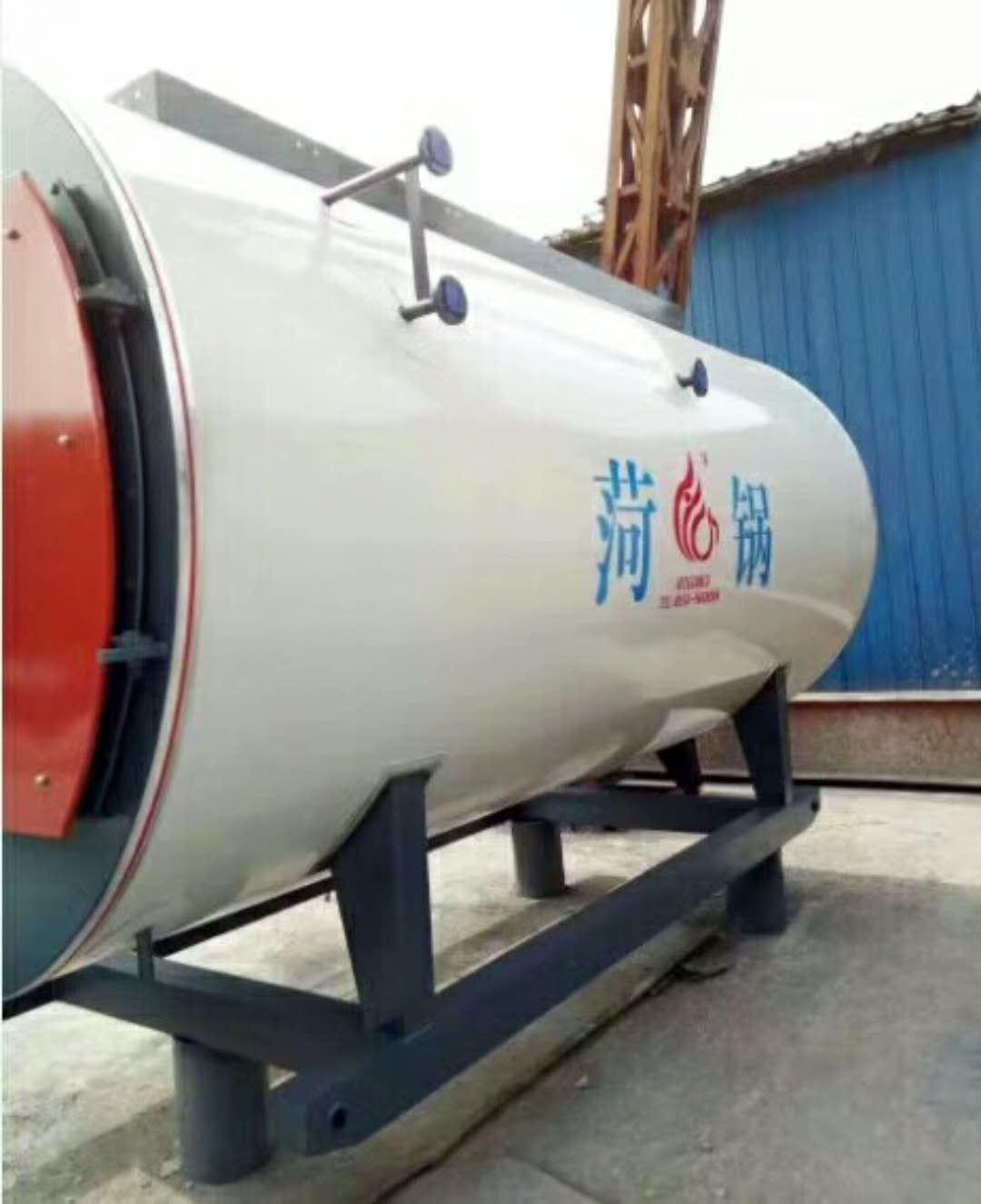

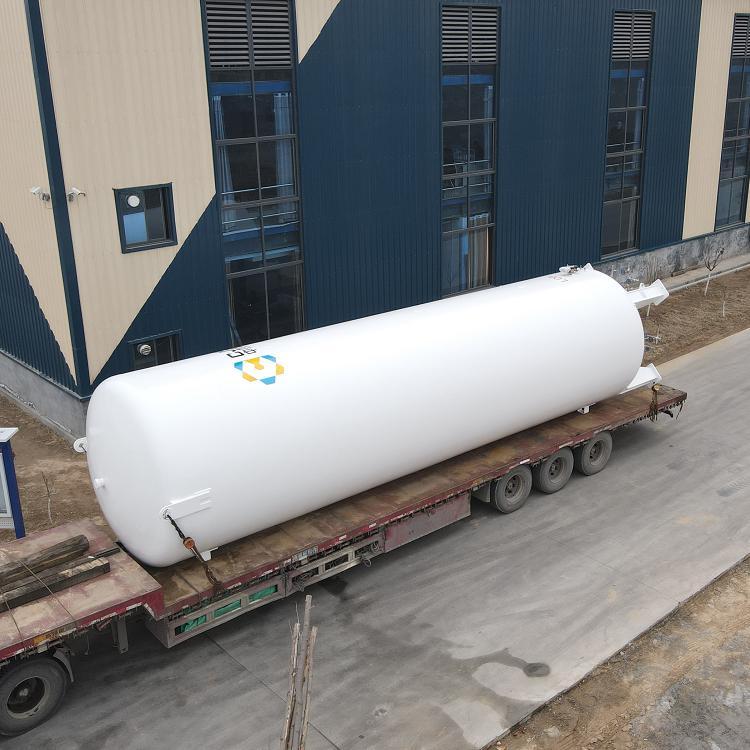
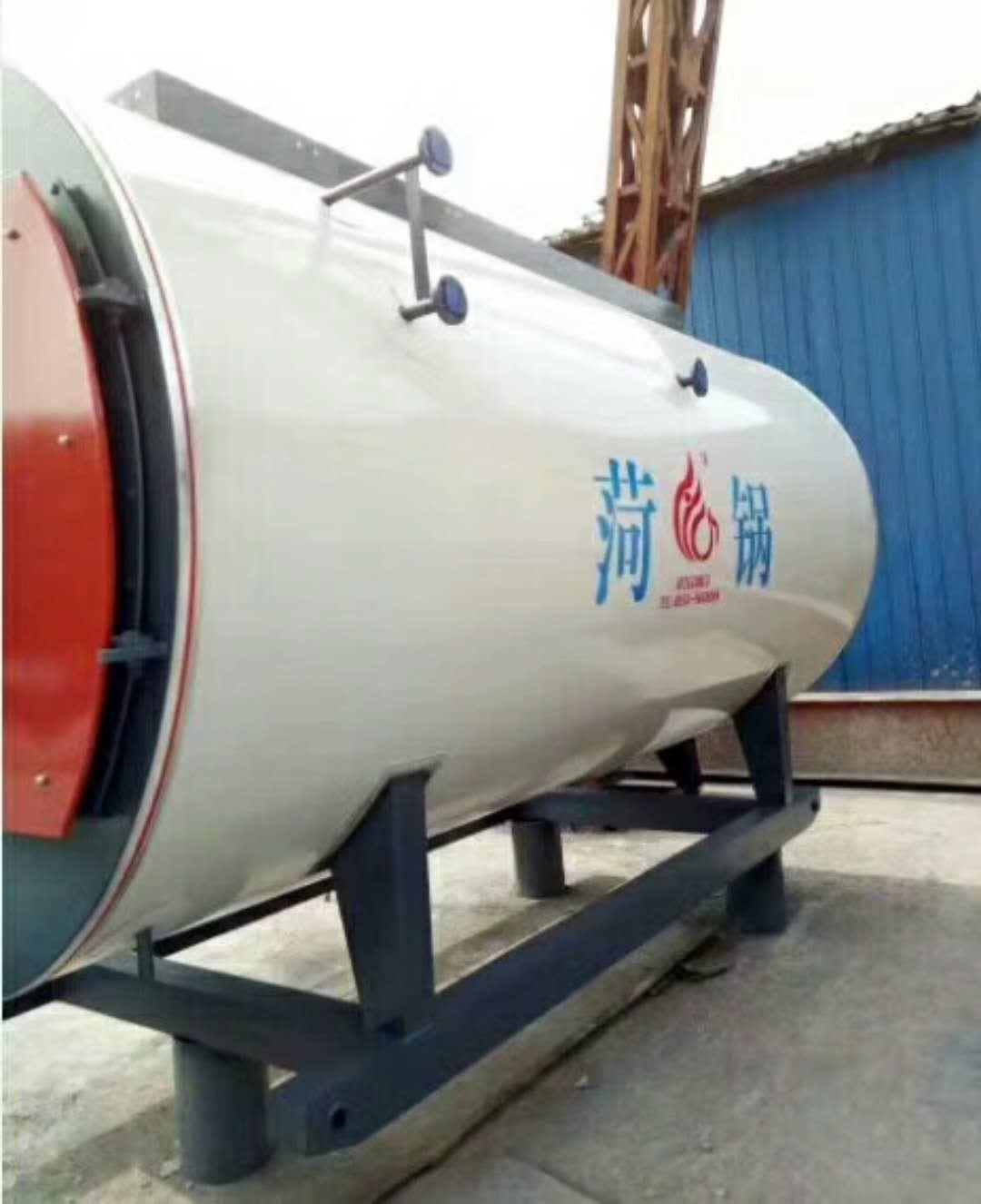



















Shandong Zhongjie Special Equipment's main products include: fuel (gas) boilers, organic heat carrier boilers, biomass boilers, waste heat recovery boilers, and other boiler products; vacuum insulation cryogenic pressure vessels such as LNG storage tanks, oxygen-nitrogenargon storage tanks, and CO2 storage tanks; pressure vessel products such as denitrification engineering equipment, heat storage and energy storage equipment, and complete chemical equipment sets; central air conditioning and HVAC equipment such as ground (water) source heat pumps, air source units, water-cooled screw units, and air-cooled modular units. Planned products include large-scale energy centers, LNG transport vehicles, LNG tank containers, and other green energy equipment.
Daily inspection content for liquid nitrogen storage tanks mainly includes the following aspects:
Visual Inspection: Check for any visible damage, deformation, or corrosion on the tank's exterior, including the tank walls, valves, pipes, and joints.
Sealability Inspection: Verify the tank's sealing performance, including checking for leaks at valve and pipe connections, and ensuring the tank's exhaust valve and safety valve are functioning properly.
Pressure Check: Verify that the tank's pressure gauge is functioning properly and that the pressure is within the normal range to ensure the tank operates normally.
Level Check: Inspect the liquid nitrogen tank's level to ensure it's within the normal range, avoiding issues caused by excessive or low levels.
Insulation Layer Inspection: Verify the integrity of the storage tank's insulation layer, checking for any damage or detachment to ensure effective insulation and reduce evaporation losses of liquid nitrogen.
Leak Inspection: Check for signs of liquid nitrogen leakage around the storage tank, including frost, ice, or liquid nitrogen stains on the ground.
Safety Equipment Inspection: Verify that the safety equipment of the storage tank, such as leak detectors, alarm systems, and safety valves, is functioning properly to ensure the tank's safety.
Cleaning Inspection: Regularly clean the interior of storage tanks to remove accumulated impurities and dirt, maintaining cleanliness and hygiene of the tanks.
The above outlines the daily inspection requirements for liquid nitrogen tanks. The specific inspection items should be adjusted and supplemented based on the tank's model, usage, and relevant regulations. During the inspection, strict adherence to the operational procedures and safety requirements is essential to ensure the safe operation of the tank.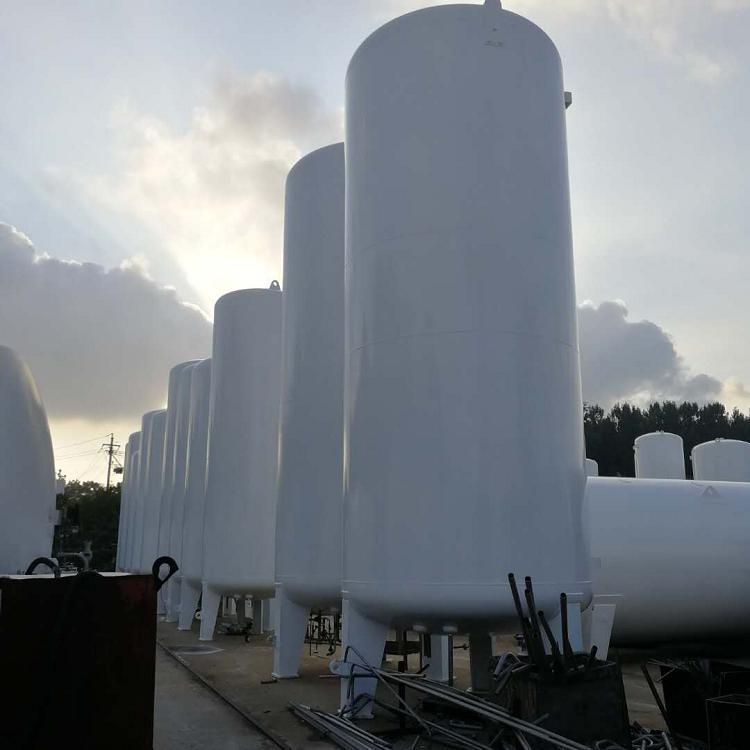
A hydrostatic test of a liquid nitrogen storage tank is a common method used to check the tank's sealing and pressure resistance. Below are the general steps for a hydrostatic test of a liquid nitrogen storage tank:
Preparation: Ensure the tank is clean inside and that all gases and liquids are drained from the tank. Check the tank's sealing and safety devices for proper operation.
Fill water: Fill the tank interior with water, ensuring the water level is above the low water line. Use a pump or other appropriate method for filling.
Apply Pressure: Gradually increase the water pressure using a pressure pump or other pressure source until the predetermined test pressure is reached. The test pressure is typically 1.1 times the design working pressure of the tank.
Pressure Maintenance: After reaching the test pressure, maintain it for a period (typically 30 minutes to 1 hour) and observe for any abnormal conditions such as leaks or deformation in the tank.
Pressure Relief: Gradually release pressure to drain water from the tank until it is completely empty.
Inspection and Evaluation: Check the tank's surface and interior for leaks, deformities, or other damage. Assess the test results to ensure the tank meets design requirements and safety standards.
需要注意的是,液氮储罐水压试验需要由人员进行操作,并遵循相关的安全操作规程。在进行测试前,应仔细阅读和遵守储罐制造商提供的操作指南和安全注意事项。
During the use of low-temperature liquid storage tanks, the following points should be noted:
Protective Gear: When handling low-temperature liquid storage tanks, it is mandatory to wear appropriate protective gear, including gloves, protective clothing, and non-slip shoes. This gear safeguards the skin from damage caused by low-temperature liquids.
Avoid direct contact: Low-temperature liquids can be cold, which may cause chilling. Therefore, avoid direct contact with low-temperature liquids, especially with the skin. Use tools or utensils for handling to prevent direct hand contact with low-temperature liquids.
Ventilation Requirements: In the operational area of low-temperature liquid storage tanks, adequate ventilation must be ensured to exhaust gases produced by the evaporation of low-temperature liquids. Maintain air circulation to avoid excessive oxygen concentration, and reduce the risk of fire and explosion.
Prevent Leaks: Regularly inspect low-temperature liquid storage tanks for leaks and equip with leak detection and alarm systems. In case of a leak, take immediate action to control and repair it. Avoid hazards to personnel and the environment caused by the leakage of low-temperature liquids.
Fire Prevention Measures: Low-temperature liquids have lower boiling and freezing points, which are prone to cause fires. To prevent and contain fires, fire barriers should be set up around low-temperature liquid storage tanks, and fire-retardant coatings should be used.
Static protection: During the handling of low-temperature liquids, static electricity may be generated, increasing the risk of fire from sparks. Measures such as using static-conductive materials and anti-static equipment are taken to reduce the accumulation and release of static electricity.
Regular Inspections and Maintenance: Conduct regular checks on the condition of low-temperature liquid storage tanks and related equipment, including valves, pipes, pressure gauges, etc. Ensure the equipment is in perfect condition, and promptly repair or replace any damaged parts.
Waste Gas Treatment: During the process of using low-temperature liquids, waste gas is produced, and appropriate waste gas treatment measures must be taken to minimize environmental impact.
The above points should be taken into consideration when using low-temperature liquid storage tanks to ensure safe operation and the normal functioning of the tank. During operation, it is essential to strictly adhere to the relevant operational procedures and safety requirements.
Before using the liquid oxygen tank, the following preparations must be made:
Safety Inspection: Ensure the tank and its surrounding environment are safe. Check for any damage, leaks, or other potential safety hazards. Make sure there are no flammable materials or other hazardous items in the vicinity of the tank.
Tank Preparation: Inspect the tank's exterior, including the shell, welds, valves, and fittings. Ensure the tank has no visible damage or corrosion. Check that the insulation layer is intact and undamaged.
Liquid Oxygen Filling: Utilize liquid oxygen transfer equipment to fill the storage tank. Ensure that the flow rate and pressure of liquid oxygen are maintained within a safe range during the filling process.
Pressure Control: Storage tanks should be equipped with pressure control devices to ensure internal pressure remains within a safe range. Inspect and adjust the pressure control devices to ensure they are functioning properly.
Valve Operation: Check that the tank's valves and connections are functioning properly. Ensure the valves are easily operable and reliable. Adjust the open and closed states of the valves as needed.
Safety Equipment: Inspect the safety equipment around the storage tanks, such as fire separation zones and alarm systems, to ensure they are functioning properly.
Operator Training: Ensure operators are proficient in the safe operation of liquid oxygen storage tanks.
Our company attaches great importance to technological innovation and R&D design. We have one municipal-level enterprise technology center in Heze City, equipped with testing facilities for non-destructive testing, physical and chemical testing, welding testing, hydrostatic testing, etc. We have over 600 types of equipment, including CNC machine tools, X-ray flaw detectors, digital ultrasonic flaw detectors, mechanical property testing machines, chemical analyzers, spectrometers, tensile testing machines, plasma welding machines, and more. The key products we have developed, such as temperature and pressure vessel welding, biomass boiler emission reduction, and waste heat utilization, have successively been selected for multiple Shandong Provincial Department of Industry and Information Technology science and technology innovation projects, Shandong Provincial key projects, and Heze City innovation and excellence projects. We have accumulated 27 authorized utility models, 16 authorized inventions, participated in drafting 2 standards, 2 industry standards, and registered 15 trademarks. Our technical team, in collaboration with Professor Yajiang Li of Shandong University, has developed deep cryogenic container processing technology using the international plasma arc + filler wire tungsten inert gas arc welding (PAW-GTAW) technology. This technology has been appraised as reaching international standards in the field of deep cryogenic container manufacturing at the provincial level. Choose Zhongjie Special Equipment, and let's create brilliance together!
WeChat Official Account

Scan to follow Official Account




















