


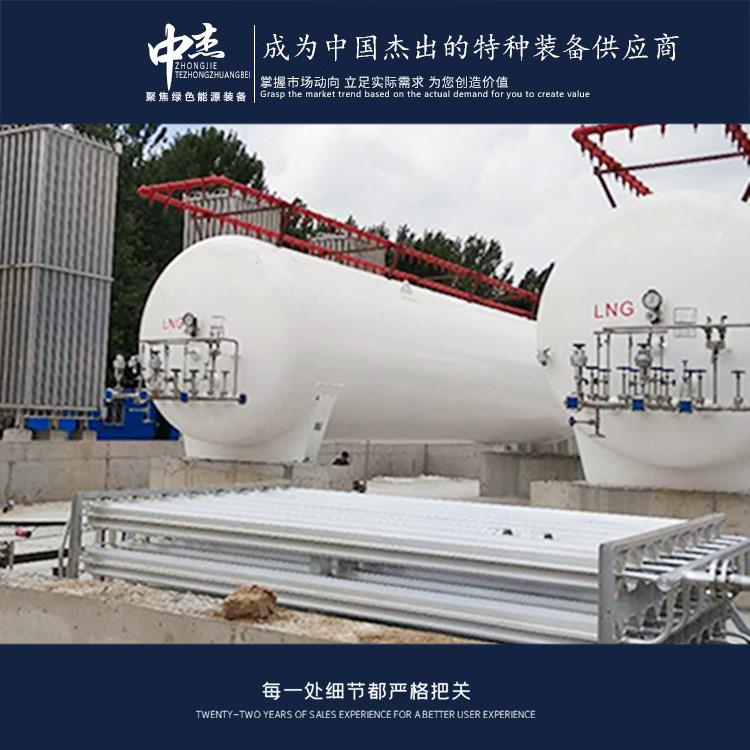

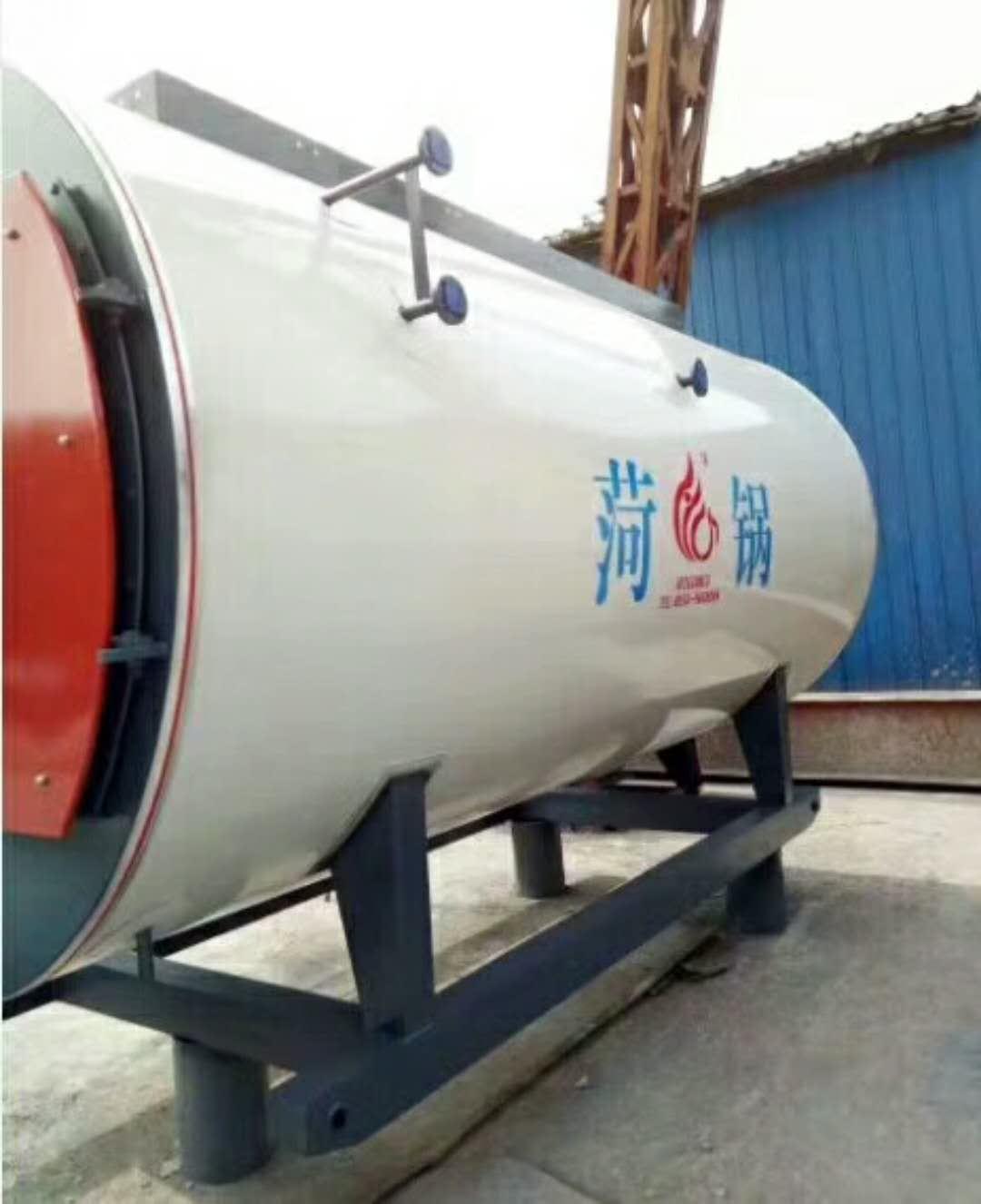
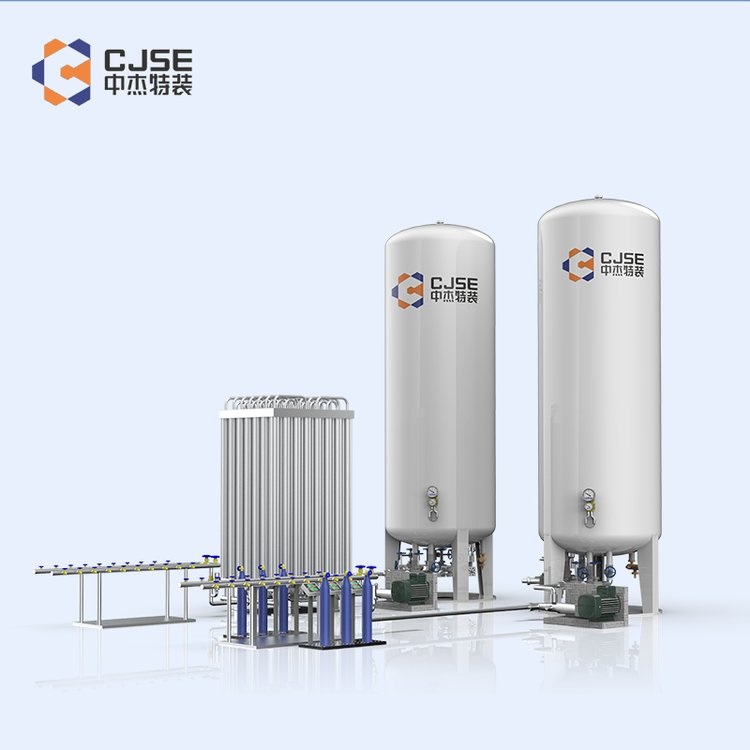



















Shandong Zhongjie Special Equipment Co., Ltd. specializes in: fuel (gas) boilers, organic heat carrier boilers, biomass boilers, waste heat recovery boilers, and other boiler products; vacuum insulation cryogenic pressure vessels such as LNG storage tanks, oxygen/nitrogen/argon storage tanks, and CO2 storage tanks; pressure vessel products including denitrification engineering equipment, heat storage and energy storage equipment, and complete chemical equipment; central air conditioning and HVAC equipment such as ground (water) source heat pumps, air source units, water-cooled screw chillers, and air-cooled modular units. Planned products include large-scale energy centers, LNG transport vehicles, LNG tank containers, and other green energy equipment.
The daily inspection of liquid nitrogen storage tanks primarily includes the following aspects:
Visual Inspection: Check for any obvious damage, deformation, or corrosion on the tank's exterior, including the tank walls, valves, pipes, and joints.
Sealability Inspection: Check the tank's sealing performance, including inspecting for any leakage at valve and pipe connections, as well as ensuring the exhaust valve and safety valve of the tank are functioning properly.
Pressure Check: Verify that the tank's pressure gauge is functioning properly and that the pressure is within the normal range to ensure the tank operates normally.
Level Check: Monitor the liquid nitrogen tank's level to ensure it remains within the normal range, avoiding issues caused by levels that are too high or too low.
Insulation Layer Inspection: Verify the integrity of the storage tank's insulation layer, checking for any signs of damage or detachment to ensure effective insulation and reduce evaporation losses of liquid nitrogen.
Leakage Inspection: Check for signs of liquid nitrogen leakage around the storage tank, including checking for frost, ice, or liquid nitrogen stains on the ground.
Safety Equipment Inspection: Check that the storage tank's safety equipment, such as leak detectors, alarm systems, and safety valves, are functioning properly to ensure the tank's safety.
Cleaning Inspection: Regularly clean the interior of the tank to remove accumulated impurities and dirt, maintaining the tank's cleanliness and hygiene.
The above outlines the routine inspection requirements for liquid nitrogen tanks. Specific inspection details should be adjusted and supplemented based on the tank's model, usage, and relevant regulations. During the inspection, operations should be strictly conducted in accordance with the relevant operational procedures and safety requirements to ensure the safe operation of the tank.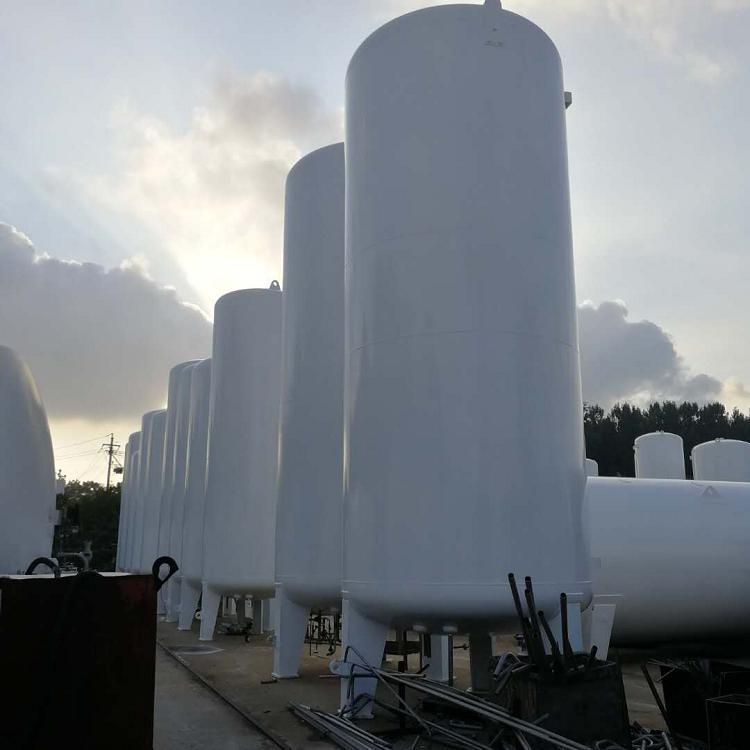
The primary reason for pre-cooling a liquid oxygen tank before use is to lower the tank's internal temperature to below the boiling point of liquid oxygen, facilitating the conversion of oxygen into a liquid state.
The boiling point of liquid oxygen is -183°C, and at room temperature, oxygen exists in a gaseous state. Liquid oxygen tanks require cooling the oxygen below its boiling point to convert it into a liquid for storage and supply.
The pre-cooling process typically involves the following steps:
Clean Storage Tanks: It is first necessary to clean the tank, ensuring no impurities or contaminants are inside to avoid affecting liquid oxygen.
Drainage and Exhaust: To empty the gas inside the tank and expel it through the exhaust system to reduce the gas content within the tank.
Add Liquid Nitrogen: Injecting liquid nitrogen into the tank will rapidly cool the air and walls inside the tank due to its low temperature, thereby reducing the tank's temperature.
Waiting for cooling: The liquid nitrogen in the tank will gradually lower the temperature inside the tank through the process of heat conduction until it reaches below the boiling point of liquid oxygen.
The purpose of pre-cooling is to ensure that the temperature inside the storage tank is low enough to meet the storage and supply requirements for liquid oxygen. Pre-cooling can reduce the evaporation and loss of liquid oxygen, and also helps maintain the safety and stability of the tank.
Liquid oxygen tanks are used for storing and supplying liquid oxygen as fuel and oxidizer. They play a crucial role in launch propulsion systems and similar applications. Industrial Production: Liquid oxygen is used as an oxidizer in industrial production for processes such as combustion, oxidation, and oxygen supply. Liquid oxygen tanks are utilized to store and supply liquid oxygen to meet the demands of industrial applications like metal cutting, welding, and chemical reactions. Equipment: Liquid oxygen tanks are employed in equipment to supply oxygen, such as oxygen therapy, oxygen inhalation, and operating rooms. These tanks provide high-purity oxygen while maintaining a low temperature, meeting the equipment's oxygen requirements. Laboratory Research: Liquid oxygen tanks are used in scientific research and laboratories to provide liquid oxygen as experimental materials and reagents. The low temperature and high purity of liquid oxygen make it widely applicable in laboratories for fields such as materials science, chemical reactions, and biomedical research. In summary, liquid oxygen tanks are vital in various applications including industrial production, equipment, and laboratory research, providing storage and supply functions for liquid oxygen at the application sites.
Operation procedures for liquid oxygen storage tanks should be established based on specific tank design and usage requirements. Below are some common contents of general operation procedures for liquid oxygen storage tanks:
- Operator Training: Ensure operators have received relevant training for liquid oxygen storage tanks, understanding the tank's structure, performance, operation procedures, and safety considerations.
- Safety Inspections: Conduct necessary safety checks before operating the liquid oxygen storage tank, including inspecting the tank's integrity, the sealing of valves and pipelines, and the condition of the insulation layer.
- Liquid Oxygen Supply: Ensure the liquid oxygen supply system is functioning properly, including checking the status of liquid oxygen supply pipelines, valves, and pressure gauges, and ensuring an adequate supply of liquid oxygen.
- Tank Pressure Control: Monitor the pressure of the liquid oxygen storage tank to ensure it remains within a safe range. If necessary, control the tank's pressure by adjusting pressure valves or pressure relief devices.
- Leak Control: Regularly inspect the sealing of the tank and pipelines to ensure there are no leaks. If a leak is detected, take immediate action to control the leak and notify relevant personnel.
- Fire Prevention Measures: Prohibit open flames and prevent sparks and high-temperature objects from contacting the tank around the liquid oxygen storage tank. Set up fire prevention facilities and firefighting equipment, and check and maintain them regularly.
- Safety Distance: Maintain a certain safety distance around the liquid oxygen storage tank to prevent the spread of fires, explosions, and leaks.
- Maintenance and Repair: Regularly perform maintenance and repairs on the tank, including cleaning the tank, inspecting the insulation layer, valves, and pipeline conditions, to ensure normal operation.
- Waste Disposal: Properly dispose of waste generated by the liquid oxygen storage tank, including liquid oxygen residues, waste gases, and waste liquids, in accordance with relevant environmental protection regulations and standards.
Note that operation procedures for liquid oxygen storage tanks should be established based on specific tank design and usage requirements and should comply with applicable regulations, standards, and safety guidelines. When operating liquid oxygen storage tanks, cooperate with local regulatory agencies and individuals to ensure the tank's safety and reliability.
Our company highly values technological innovation and R&D, boasting one municipal-level enterprise technology center in Heze City. We have established testing facilities for non-destructive testing, physical and chemical testing, welding testing, hydrostatic testing, and more. We are equipped with over 600 pieces of equipment, including CNC machine tools, X-ray flaw detectors, digital ultrasonic flaw detectors, mechanical property testing machines, chemical analyzers, spectrometers, tensile testing machines, plasma welding machines, and more. The key products and technologies we have developed, such as temperature and pressure vessel welding, biomass boiler emissions reduction, and waste heat utilization, have successively been included in multiple Shandong Provincial Department of Industry and Information Technology science and technology innovation projects, Shandong key projects, and Heze City innovation and excellence projects. We have accumulated 27 authorized utility models, 16 authorized inventions, participated in drafting 2 standards, 2 industry standards, and registered 15 trademarks. Our technical team, in collaboration with Professor Yajiang Li from Shandong University, has developed deep cryogenic container processing technology using the international plasma arc + wire filling tungsten inert gas arc welding (PAW-GTAW) technology. After provincial-level scientific and technological achievement appraisal, our technology level has reached international standards in the field of deep cryogenic container manufacturing. Choose ZJ Special Equipment, let's create brilliance together!
WeChat Official Account

Scan to follow Official Account




















