


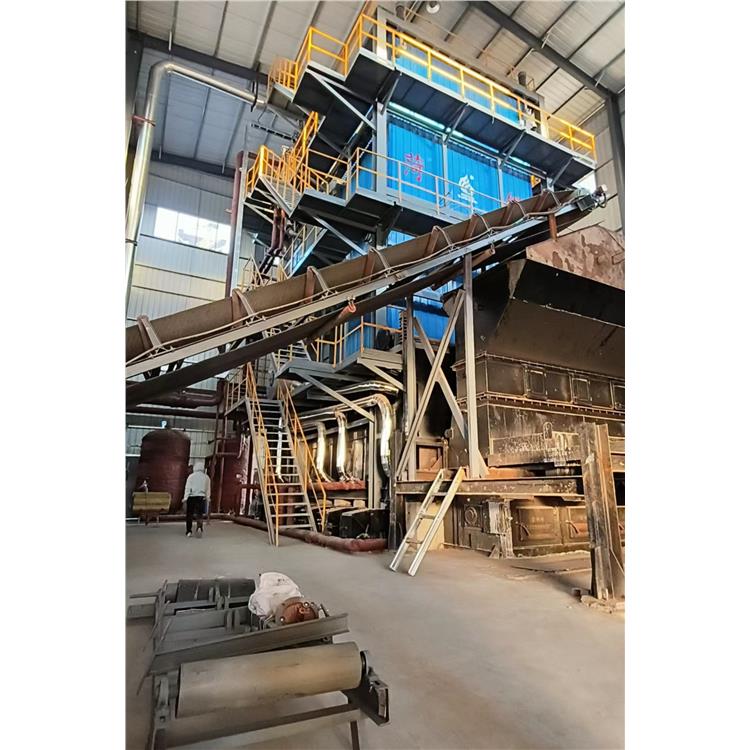

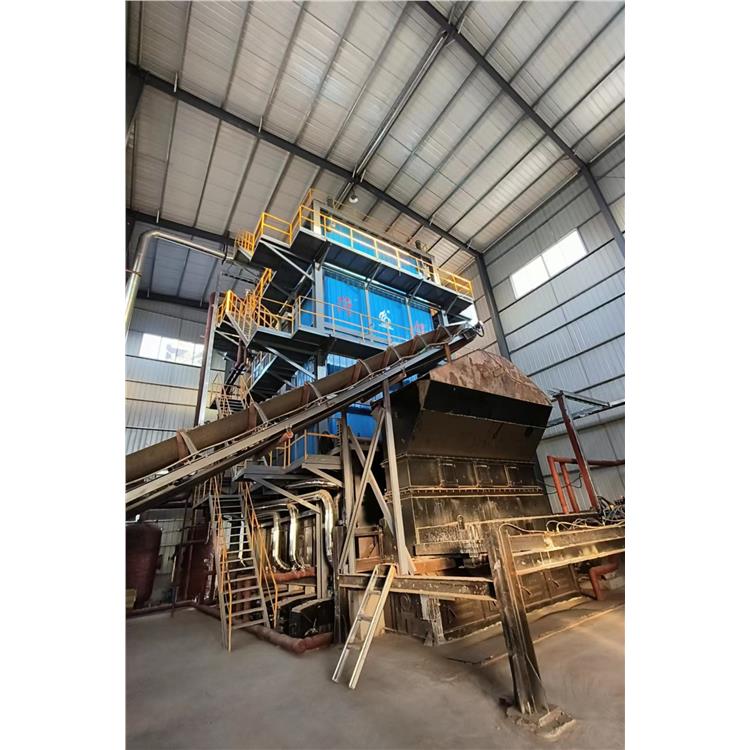
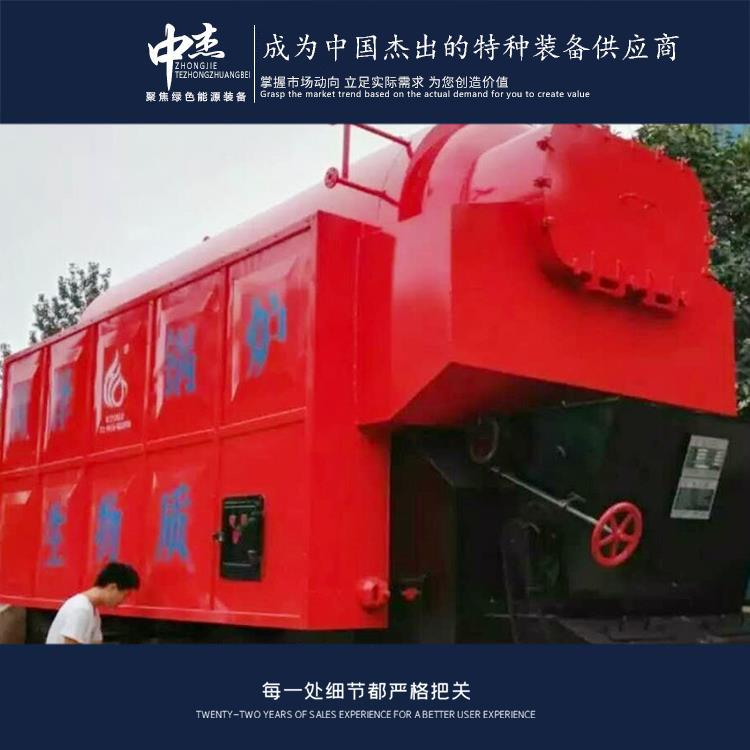



















Shandong Zhongjie Special Equipment (formerly Heze Boiler Factory Co., Ltd.) holds an A-grade boiler manufacturing license, an A2-grade pressure vessel manufacturing license, an A2-grade pressure vessel design license, a B-grade boiler installation license, and GB2/Class and GC2/Class pressure pipeline installation licenses, as well as a mechanical and electrical equipment installation contracting qualification. It is a member of the China Boiler and Water Treatment Association, the China Chemical Equipment Association, and the director unit of the Shandong Equipment Manufacturing Association. The company has also passed the ISO9001 Quality Management System, ISO14001 Environmental Management System, OHSAS18001 Occupational Health and Safety Management System certifications, and the American ASME/U2 certification.
Biomass boiler pellet fuel is a common form of biomass fuel, also known as biomass pellets or wood pellets. It is a small granular fuel made by processing biomass raw materials (such as sawdust, straw, wheat straw, fruit shells, etc.) through processes like crushing, drying, and pressing.
Biomass boiler pellet fuel features the following characteristics:
High Energy Density: Biomass pellet fuel boasts a high energy density, allowing for more energy to be stored in a relatively smaller volume, making it convenient for transportation and storage.
Easy to Burn: Biomass pellet fuel has regular shape and uniform size, ensuring a stable combustion process, easy control of combustion parameters, and improved combustion efficiency.
Low humidity and low ash content: Biomass pellet fuel is dried and processed, resulting in low humidity and relatively low ash content. This reduces water evaporation and ash production during combustion, benefiting combustion efficiency and reducing pollutant emissions.
Renewable and Eco-friendly: Biomass pellet fuel is a renewable energy source, which can be recycled through regenerative processes. The carbon dioxide released during combustion can be absorbed by biomass, creating a cycle with minimal environmental impact.
Wide combustion adaptability: Biomass pellet fuel is suitable for biomass boilers and boasts strong combustion adaptability. Different types and specifications of pellet fuel can be chosen according to actual conditions to meet the needs of various boilers.
Biomass pellets are widely used in biomass boilers, representing a clean and renewable energy source that is crucial for reducing carbon emissions and protecting the environment.
The YGL series organic heat carrier boiler is a boiler equipment that utilizes organic heat carriers to transfer heat energy. Its main components and characteristics are as follows:
Composition:
Furnace Body: The furnace body is the main part of the organic heat carrier furnace, including the combustion chamber, firebox, and flue. It is made of steel, offering excellent high-temperature resistance.
Combustion System: The combustion system includes burners, combustion fans, and combustion control systems. The burners are responsible for injecting fuel into the furnace for combustion, the combustion fans supply the oxygen required for combustion, and the combustion control system achieves automatic control of the combustion process.
Heat Exchange System: The heat exchange system includes a heat carrier circulating pump, a heat carrier heater, and a heat carrier cooler, etc. The heat carrier circulating pump is responsible for circulating the heat carrier to the heater, where it is heated before returning to the furnace, thus transferring heat energy. The heat carrier cooler is used to cool the heat carrier, ensuring the stability of the heat carrier circulation.
Control System: The control system includes temperature controllers, pressure controllers, and safety protection devices. The temperature controller is used for monitoring and adjusting the furnace temperature, the pressure controller is used for monitoring and adjusting the pressure of the heat carrier, and the safety protection device is used to ensure the safe operation of the furnace and the heat exchange system.
Features:
High Heat Efficiency: The YGL series organic heat carrier boiler utilizes organic heat carriers as the heat transfer medium, offering high heat transfer efficiency. Organic heat carriers can achieve liquid phase heat transfer at low temperatures, resulting in minimal heat loss and allowing for more efficient fuel utilization.
Controlling fouling in biomass boilers is a crucial measure to ensure the normal operation of the boiler and extend its lifespan. Here are some common methods for controlling fouling in biomass boilers:
Choose fuel wisely: Opt for high-quality, properly humidified biomass fuel to avoid using excessively wet or impure fuel, which can reduce the likelihood of coking.
Regulate Combustion Temperature: Reasonably control the combustion temperature of biomass boilers to avoid excessively high temperatures, reducing the fuel's residence time in the furnace and minimizing the risk of slagging.
Enhance Furnace Cleaning: Regularly clean the furnace to remove ash and dust, maintaining the furnace's unobstructed flow and reducing the likelihood of coking.
Control Excess Air: Reasonably control the air supply during the combustion process of biomass boilers to prevent excessive air from entering the furnace, reducing the risk of fuel oxidation and coking.
Regular Ash Blowing: Regularly perform ash blowing on components such as economizers and superheaters of biomass boilers to remove ash and slag, maintaining the efficiency of heat exchange and reducing the likelihood of scale formation.
Enhanced Monitoring and Inspection: Regularly monitor and inspect biomass boilers, including parameters such as furnace temperature, flue gas composition, and furnace pressure. Promptly identify any anomalies and take appropriate actions.
These measures can help control the fouling issue in biomass boilers, maintain normal boiler operation, and extend the boiler's service life. Additionally, based on specific circumstances, other appropriate measures can be adopted in combination with actual operating experience and technical requirements.
High evaporation rates in biomass pellet boiler fuel may lead to the following issues:
Incomplete combustion: Fuels with high evaporation fractions release a large amount of steam during combustion, which lowers the combustion temperature and affects the completeness of the combustion. Incomplete combustion leads to energy loss and increased emissions, reducing the boiler's thermal efficiency and environmental performance.
Poor combustion stability: Fuels with high volatility are prone to instability in the combustion process, potentially leading to issues like flameout and uneven combustion. This can result in unstable operation of the boiler and affect the stability of hot water supply.
To address issues caused by high-evaporation fuel, the following measures can be taken:
Combustion System Optimization: Optimize the combustion system of biomass pellet boilers, including aspects such as combustion chamber design, combustion air supply, and mixing. By increasing combustion temperature and oxygen supply, promote the completeness and stability of combustion.
Combustion Control: Utilizes a combustion control system that monitors and adjusts parameters such as temperature and oxygen content in real-time during the combustion process. Adjusts the supply of combustion air according to actual conditions to maintain the stability and completeness of combustion.
Fuel Pretreatment: Pre-treat biomass pellets with high volatility content, such as drying and crushing. By reducing the moisture content and particle size of the fuel, the volatility content is minimized, enhancing the combustion efficiency and stability.
Burn parameter adjustment: Adjust the boiler's burn parameters, such as burn temperature and duration, based on actual conditions. Through reasonable parameter adjustments, make the burn process more suitable for the characteristics of high-evaporation fuel.
Shandong Zhongjie Special Equipment, welcome customers to visit our factory for business discussions.
WeChat Official Account

Scan to follow Official Account




















