


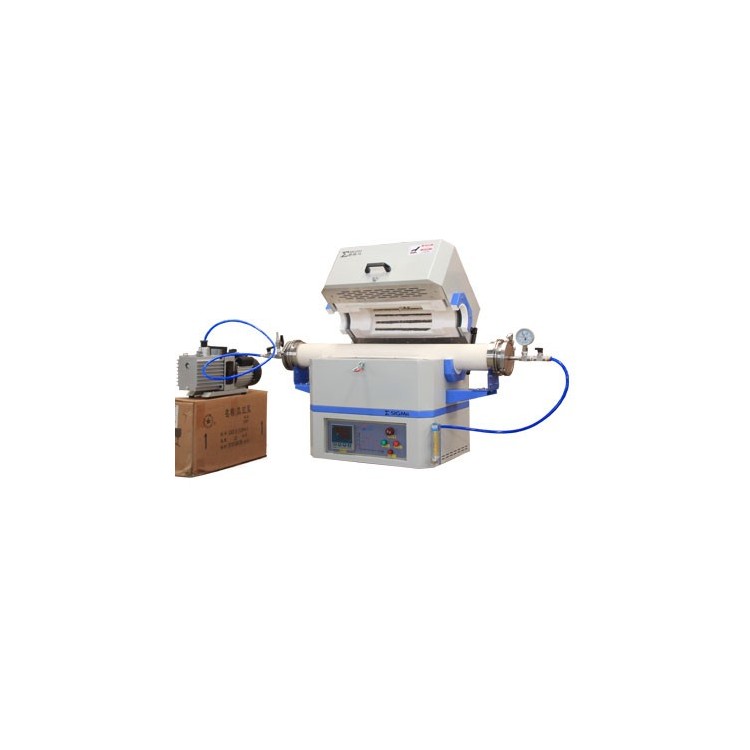














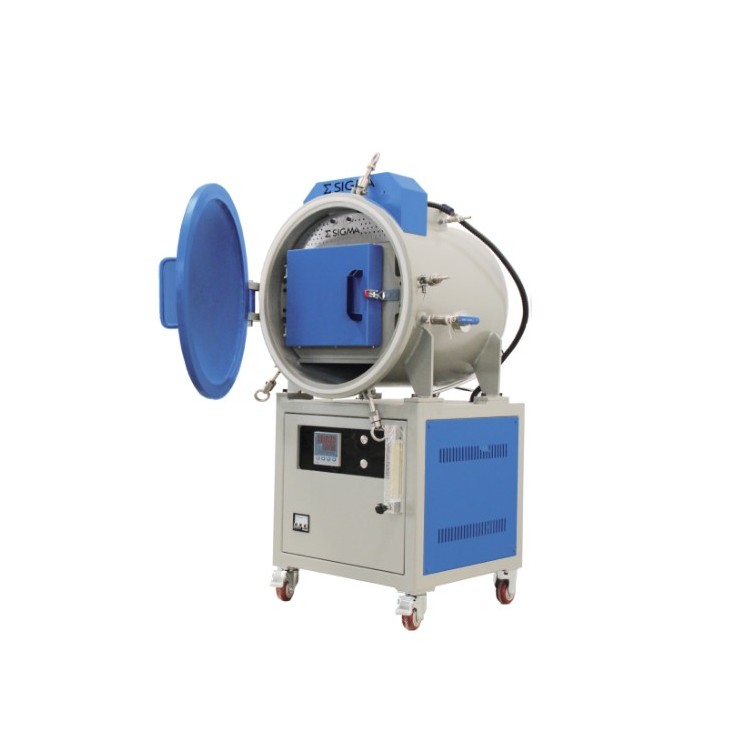


A 1000℃ tubular experimental furnace is a high-temperature heating equipment used in laboratories and research institutions. The tubular high-temperature heating furnace is primarily used for experiments involving high-temperature treatment, sintering, heat treatment, etc. of samples. Below is an introduction to the 1000℃ tubular experimental furnace:
Operating Temperature: Heating temperature up to 1000°C, suitable for most high-temperature experimental requirements.
Heating Element: Utilizes high-temperature-resistant heating wire or rod as the heating element, capable of quickly and evenly heating the sample.
Temperature Control System: Equipped with a precise temperature control system, it ensures control and stability of temperature, guaranteeing the accuracy and reliability of experiments.
Structural Design: Tube-type structure with a well-designed internal space, capable of accommodating samples of various shapes and sizes for easy experimental operation.
Shell Material: The shell is made of high-temperature-resistant and good thermal insulation materials, ensuring the external temperature remains below the operating temperature, thus preventing burns and other safety issues.
Safety: Equipped with multiple safety protection devices, such as over-temperature protection and leakage protection, ensuring a safe and reliable experimental process.
Easy to operate: Designed simply with a user-friendly interface, easy to control and adjust, suitable for researchers and laboratory personnel.
Accessories: Standard accessories include temperature controllers, heating elements, protective tubes, brackets, etc., and various attachments and accessories can be selected according to experimental requirements.
Maintenance: Regularly clean and maintain equipment to prevent dust and debris from affecting heating efficiency and extend the lifespan of the equipment.
The 1000℃ high-temperature tube furnace is a powerful, safe, and easy-to-operate high-temperature heating equipment, suitable for various experimental needs and an essential tool for researchers conducting high-temperature experiments. Applications: Widely used in experimental research in fields such as materials science, chemistry, metallurgy, and electronics, it can be used for sample sintering, heat treatment, and growth experiments.


















