


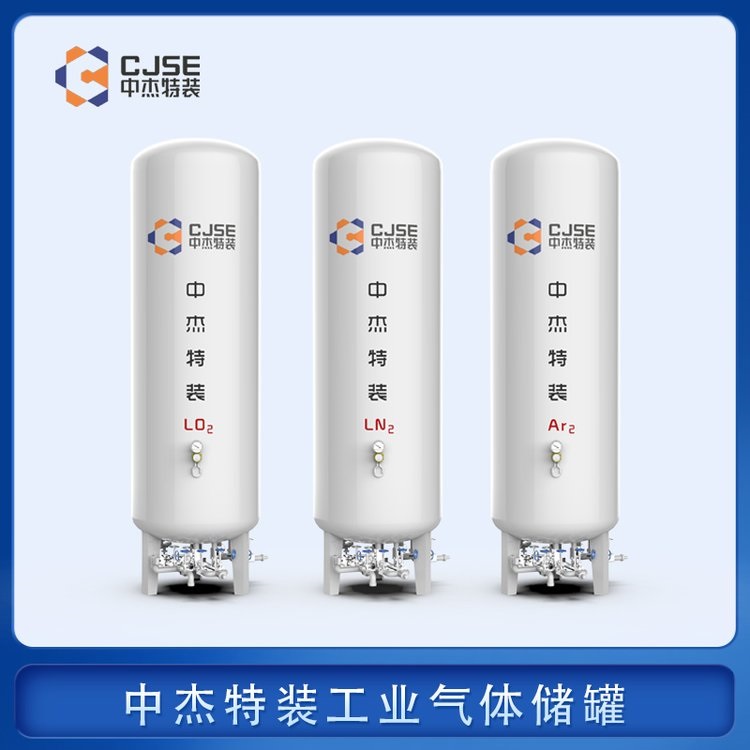

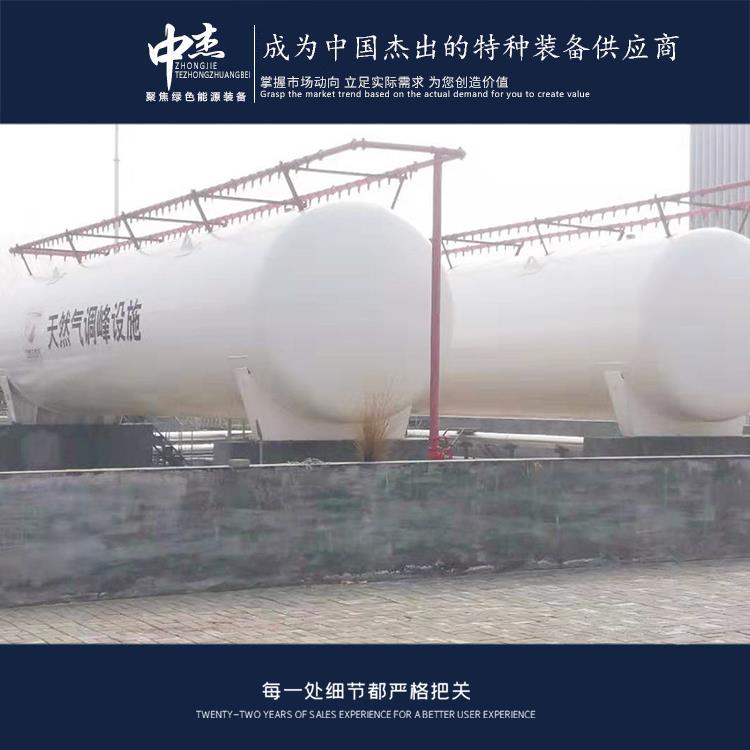
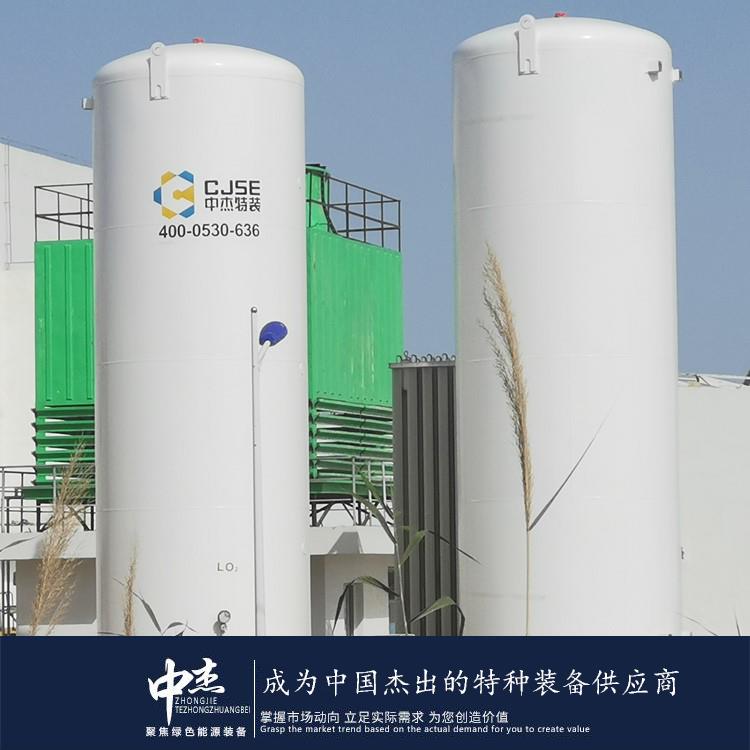



















Shandong Zhongjie Special Equipment specializes in products such as fuel (gas) boilers, organic heat carrier boilers, biomass boilers, waste heat recovery boilers, and other boiler products; vacuum insulation cryogenic pressure vessels like LNG tanks, oxygen/nitrogen/argon tanks, CO2 tanks; pressure vessel products including denitrification engineering equipment, heat storage and energy storage equipment, complete chemical equipment sets; central air conditioning and HVAC equipment like ground (water) source heat pumps, air source units, water-cooled screw units, and air-cooled modular units. Planned products include large-scale energy centers, LNG transport vehicles, LNG tank containers, and other green energy equipment.
In recent years, the expansion of low-temperature liquid storage tanks has reached its peak due to the following reasons:
1. Increased Energy Demand: With economic growth and population increase, the demand for energy has been on the rise. Low-temperature liquid storage tanks are primarily used for storing liquefied natural gas (LNG), liquid oxygen (LOX), liquid nitrogen (LIN), and other low-temperature liquid energy sources to meet the growing energy demand.
2. Greenhouse Gas Emission Reduction: These tanks can store and transport liquid carbon dioxide (CO2) for carbon capture and storage (CCS) technologies, helping to reduce greenhouse gas emissions. As awareness of environmental protection and climate change grows, the demand for low-temperature liquid storage tanks in the CCS field has also increased accordingly.
3. Industrial Development Needs: The application of low-temperature liquid storage tanks in the industrial sector has been increasing as well. For instance, in industries such as chemicals, pharmaceuticals, food and beverages, there is a need to store and transport low-temperature liquid raw materials or products, such as liquid nitrogen, liquid oxygen, and liquid ethylene. With the development of these industries, the demand for low-temperature liquid storage tanks has also risen.
4. Technological Advancements and Innovation: In recent years, there have been continuous advancements and innovations in the design, manufacturing, and transportation of low-temperature liquid storage tanks. The application of new materials, optimization of tank structures, and improvements in safety control systems have made these tanks safer and more reliable, further propelling their expansion to a peak.
In summary, factors such as increased energy demand, greenhouse gas emission reduction, industrial development needs, and technological advancements and innovation have collectively driven the expansion of low-temperature liquid storage tanks to a peak in recent years. As related industries develop and technology advances, the demand for these tanks is expected to continue growing.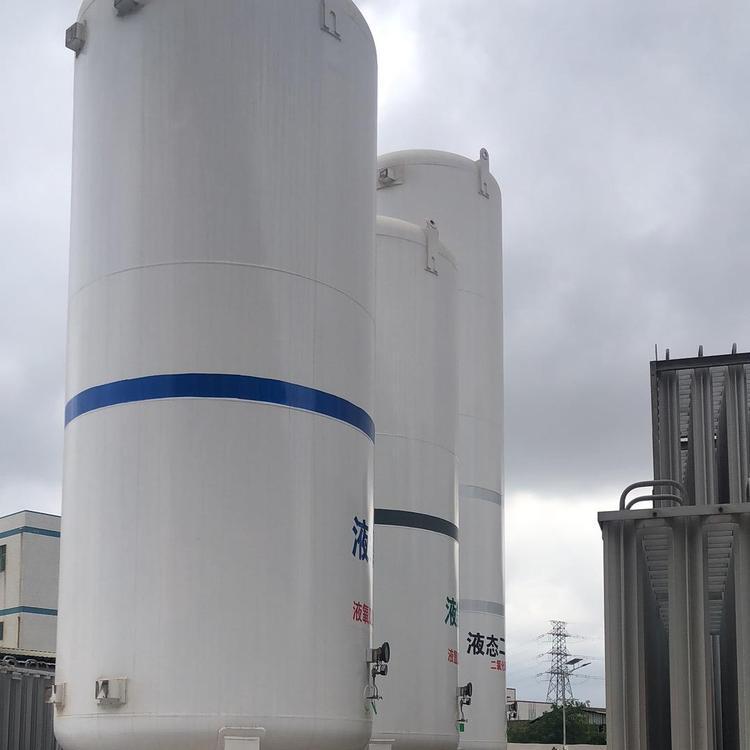
Additionally, the use of liquid carbon dioxide tanks must adhere to specific industry standards and regulations based on the particular industry and application scenario. For instance, when using liquid carbon dioxide tanks in the food and beverage industry, compliance with food safety and hygiene standards is required. It is important to note that different regions may have varying standards and regulations applicable to the use of liquid carbon dioxide tanks. Therefore, operations and usage should be conducted in accordance with local laws and standards.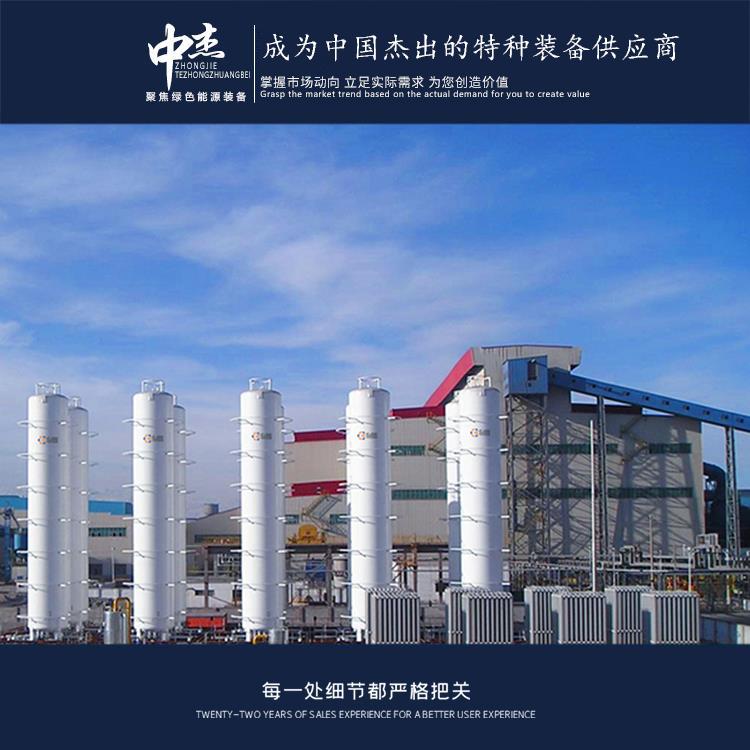
For accessories of CO2 storage tanks, such as valves, pipes, and pressure relief devices, maintenance and protection are crucial. Here are some suggestions:
Regular Inspections: Conduct regular inspections of the accessories' appearance and operational status to ensure no damage, loosening, or leakage. Pay special attention to the sealing performance and operational flexibility of valves.
Cleaning and Maintenance: Regularly clean the accessories, removing dirt and impurities on the surface. Use appropriate cleaning agents and tools, avoiding corrosive substances.
Lubrication: For accessories requiring lubrication, such as valve pistons and rods, perform regular lubrication maintenance. Use suitable lubricants to ensure the normal operation and sealing performance of valves.
Sealing Inspection: Regularly check the sealing performance of accessories, such as valve seals and sealing surfaces. Replace any damaged or aged sealing parts promptly.
Corrosion Protection: For accessories prone to corrosion, such as pipes and valves, take corrosion protection measures, such as applying anti-corrosion coatings or using anti-corrosion materials for wrapping.
Regular Calibration: Calibrate measurement devices such as level sensors and pressure sensors regularly to ensure accuracy and reliability.
Regular Maintenance: Develop a regular maintenance plan based on the usage and requirements of the accessories, including cleaning, lubrication, and repairs, to ensure long-term stable operation.
Storage and Transportation: For spare or replacement accessories, pay attention to moisture, vibration, and damage prevention during storage and transportation to avoid affecting their normal use.
The above suggestions are for the maintenance and protection of CO2 storage tank accessories. Specific operations should be carried out according to the characteristics and requirements of the accessories and in accordance with relevant regulations.
When using carbon dioxide tanks, pay attention to the following aspects:
- Safe Operation: Operators must receive training to understand the characteristics, operational requirements, and safety measures of carbon dioxide tanks. Adhere to relevant safety operation procedures and standards to ensure operational safety.
- Tank Inspection: Regularly inspect the tank's appearance, sealing, valves, and pipeline connections before use. Promptly repair or replace any abnormalities or damage.
- Tank Placement: Place the tank in a well-ventilated, dry, and fire-free area. Avoid direct sunlight and high temperatures to prevent overheating.
- Leak Protection: Ensure that the tank's valves and pipeline connections are sealed properly to prevent carbon dioxide leaks. Regularly check and replace seals, and promptly address any leaks.
- Pressure Control: The internal pressure of the tank should be within a safe range. Check the tank's pressure gauge and safety valve before use to ensure proper operation. Avoid excessive or low pressure to prevent safety accidents.
- Fire Prevention Measures: Carbon dioxide is flammable, so fire prevention measures must be observed when using it. Smoking, open flame operations, or placing flammable items near the tank are prohibited.
- Exhaust Emission: Properly discharge exhaust gases generated during the use of carbon dioxide tanks to avoid carbon dioxide accumulation in enclosed spaces, which can lead to asphyxiation and safety risks.
- Emergency Response Plan: Develop and implement an emergency response plan, including the handling of leaks, evacuation procedures, and first aid measures. Operators should be familiar with the plan and conduct regular drills.
Note that carbon dioxide tanks should only be used by trained operators following relevant safety operation procedures and standards. Seek advice and guidance from experts.
Zhong Jie Special Equipment upholds the grand vision of "Realizing employees' dreams, creating value for customers, and striving for the prosperity and strength of our motherland," and is dedicated to the development of the green energy equipment industry. We commit to society with high-quality, cost-effective products and services!
WeChat Official Account

Scan to follow Official Account




















