


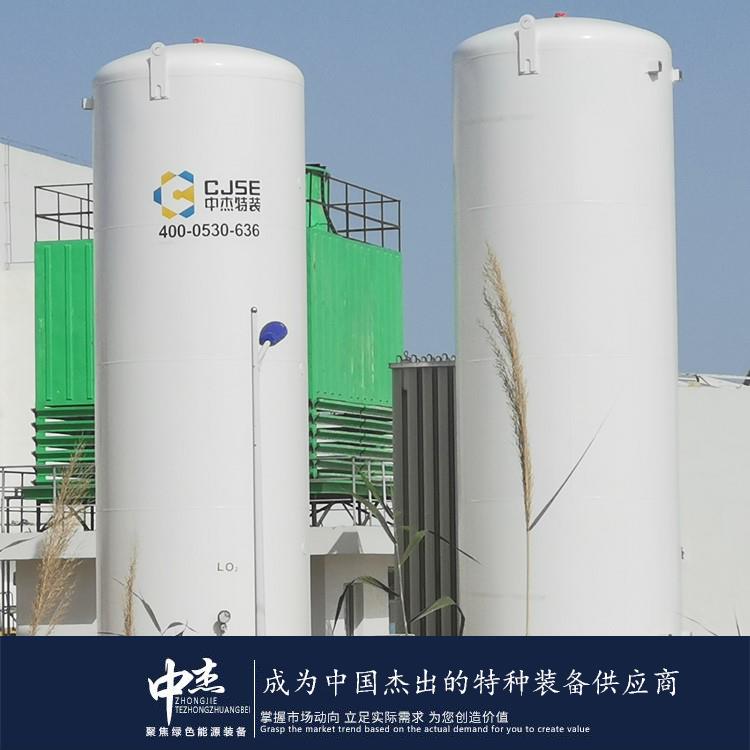

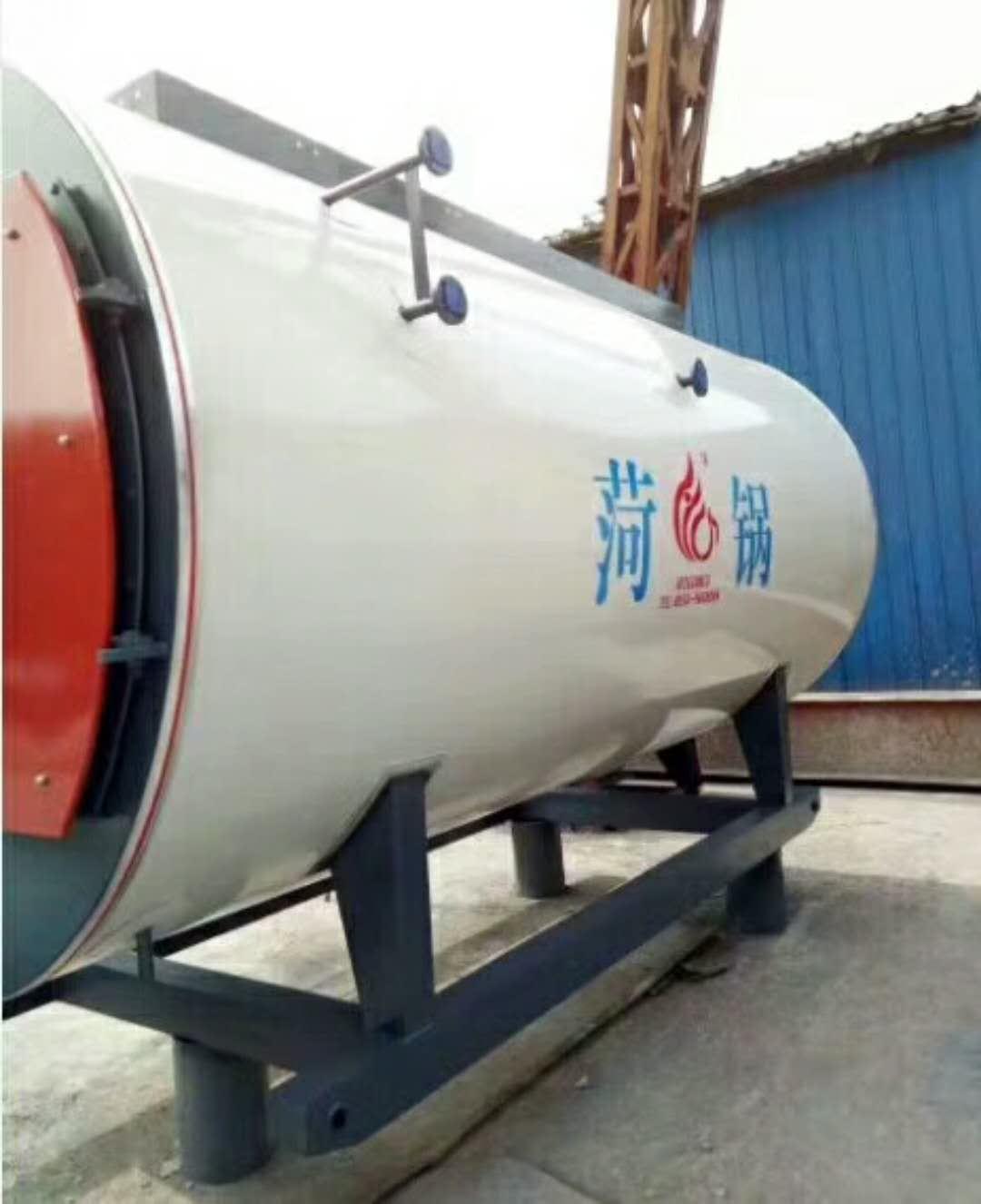
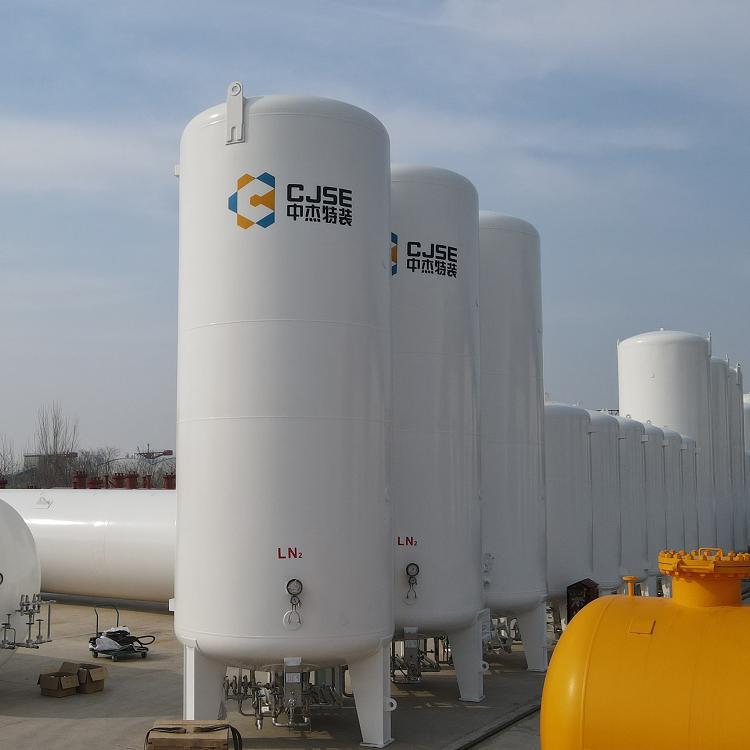



















Shandong Zhongjie Special Equipment (formerly Heze Boiler Factory Co., Ltd.) was established in 2001, located at No. 2218 Jinnan Road, Economic and Technological Development Zone, Heze City. With a registered capital of 50 million yuan and total assets of 500 million yuan, the company has 7 business centers: boilers, deep-freeze containers, pressure vessels, central air conditioning, engineering installation, international trade, and Internet of Things. It has three factory sites on Jinnan Road, East Changjiang Road, and Bohai Road, covering a total area of 200,000 square meters, with the main workshop spanning 83,000 square meters. The company currently employs 710 people, including 247 engineering and technical staff and 82 middle-level technical personnel. In December 2016, it was recognized as a "High-tech Enterprise" by the Science and Technology Department. In June 2021, it was identified as a "Specialized and New Enterprise in Shandong Province" by the Ministry of Industry and Information Technology. In June 2022, it was recognized as a "Deer Enterprise in Shandong Province" and in August 2022, as a "Specialized and New Small Giant Enterprise" by the Ministry of Industry and Information Technology.
For accessories of carbon dioxide storage tanks, such as valves, pipes, and pressure relief devices, maintenance and protection are crucial. Here are some suggestions:
Regular Inspections: Conduct regular checks of the accessories' appearance and operational status to ensure no damage, loose parts, or leaks. Pay special attention to the sealing performance and operational flexibility of valves.
Cleaning and Maintenance: Regularly clean the accessories to remove dirt and impurities on the surface. Use appropriate cleaning agents and tools, avoiding corrosive substances.
Lubrication: For accessories requiring lubrication, such as valve pistons and rods, perform regular lubrication maintenance. Use the appropriate lubricant to ensure the normal operation and sealing performance of valves.
Sealing Inspection: Regularly check the sealing performance of the accessories, such as valve seals and sealing surfaces. Replace any damaged or aged sealing parts promptly.
Corrosion Protection: For accessories prone to corrosion, such as pipes and valves, take corrosion protection measures, such as applying anti-corrosion coatings or wrapping with anti-corrosion materials.
Regular Calibration: For measuring devices like level sensors and pressure sensors, perform regular calibrations to ensure accuracy and reliability.
Regular Maintenance: Develop a regular maintenance plan based on the usage and requirements of the accessories, including cleaning, lubrication, and repairs, to ensure long-term stable operation.
Storage and Transportation: For spare or replacement accessories, pay attention to moisture, vibration, and damage prevention during storage and transportation to avoid affecting normal use.
The above suggestions are for the maintenance and protection of carbon dioxide storage tank accessories. Specific operations should be based on the characteristics and requirements of the accessories and in accordance with relevant regulations.
The working principle of carbon dioxide storage tanks involves the compression and liquefaction of carbon dioxide. Here is a brief description of the working principle of carbon dioxide storage tanks: Compression: The carbon dioxide gas is first compressed to a higher pressure by a compressor. This process compresses the gas to a high-pressure state, allowing it to transition into a liquid. Cooling: The compressed carbon dioxide gas enters a cooler, where it is rapidly cooled through the coolant or cooling system within. This process cools the gas to a temperature below its boiling point, facilitating its transition into a liquid. Storage: The cooled carbon dioxide liquid is stored in a sealed tank, typically with an insulating layer to reduce evaporation of the liquid carbon dioxide and maintain low temperatures. The pressure inside the tank is maintained within a specific range to ensure stable storage of the liquid carbon dioxide. Supply: When carbon dioxide is needed, liquid carbon dioxide can be extracted from the tank through valves and pipelines. By controlling the opening and flow of the valves, liquid carbon dioxide can be supplied to the required equipment or system. It is important to note that the working principle of carbon dioxide storage tanks may vary depending on specific design and manufacturing. When using carbon dioxide storage tanks, follow the operation manual and safety guidelines, and cooperate with local regulatory authorities and personnel to ensure the tank's safety and reliability.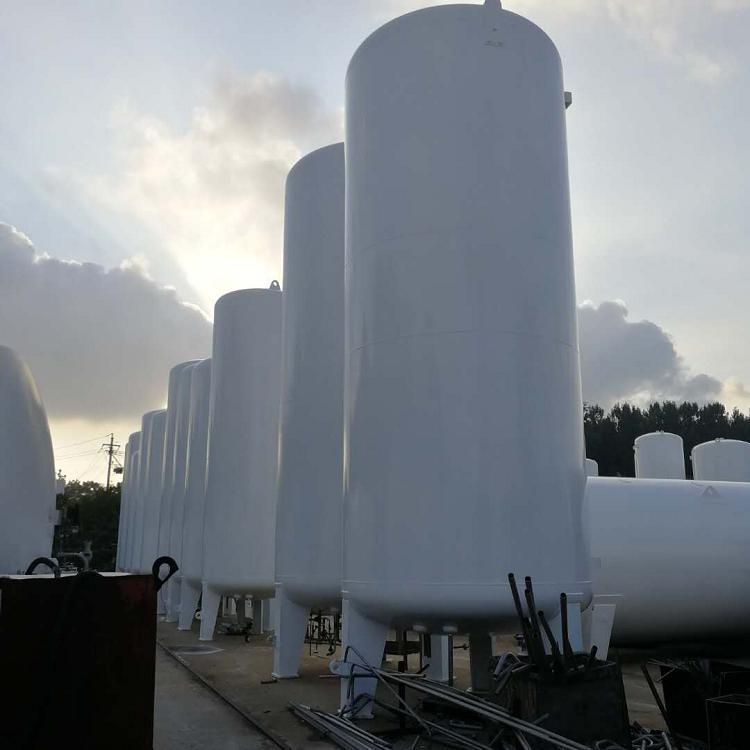
When storing carbon dioxide tanks, the following requirements must be followed to ensure safety and effectiveness:
Ventilation: Tanks should be stored in well-ventilated areas to prevent the accumulation of carbon dioxide gas. Ensure there is adequate air circulation around the tank to avoid gas buildup and asphyxiation risks.
Fire and Explosion Prevention: Keep tanks away from fire sources, high-temperature areas, and flammable materials. Avoid open flame activities near the tank to prevent fire and explosion risks.
Sunlight Avoidance: Store tanks in locations shielded from direct sunlight to prevent overheating and pressure increase. Direct sunlight can raise tank temperatures, increasing the risk of leaks and explosions.
Mechanical Damage Prevention: Keep tanks away from machinery and heavy objects to avoid collisions and damage. Mechanical damage can lead to tank leaks or ruptures, causing safety hazards.
Labeling and Warning Signs: Clearly label tanks with information such as the type of gas stored and pressure. Set up warning signs around the tanks to remind personnel of their presence and related safety precautions.
Regular Inspections: Conduct regular inspections of the tank's exterior, valves, and connections to ensure they are intact. Take prompt corrective actions if any abnormalities are detected.
Storage Capacity Control: Control the storage capacity of the tank to prevent exceeding the rated capacity. Overfilling can lead to excessive tank pressure and increased safety risks.
Storage Records: Keep records of the tank's usage, including filling dates, quantities, and inspection records. Regularly inspect and maintain the tank, and retain relevant records.
Note that specific storage requirements may vary depending on tank type and application. When storing carbon dioxide tanks, operate according to relevant regulations and standards, and consult with experts to ensure safety and effectiveness.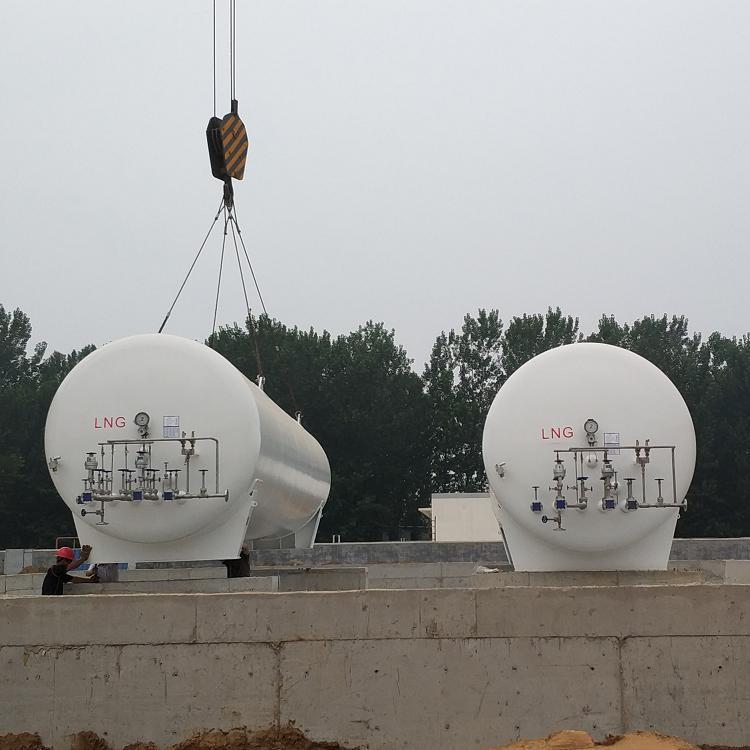
Low-temperature carbon dioxide storage tanks offer several advantages:
- Low-temperature storage capacity: These tanks can store carbon dioxide at low temperatures, typically between -40°C and -70°C. This low-temperature storage allows carbon dioxide to be stored in a liquid state, significantly reducing the required storage space.
- High storage density: Due to the liquid state of carbon dioxide at low temperatures, its storage density is relatively high. Compared to gaseous storage, liquid storage can hold more carbon dioxide in a smaller tank, enhancing storage efficiency.
- Environmental and renewable: Carbon dioxide is an environmentally friendly gas, and its storage and use do not produce harmful substances. Moreover, carbon dioxide can be reused through capture and recycling technologies, reducing environmental impact.
- High safety: Low-temperature carbon dioxide storage tanks are made from high-strength materials with good sealing and corrosion resistance. They are equipped with safety valves and pressure relief devices to effectively control internal pressure and temperature, ensuring safety during storage.
- Wide application: These tanks are widely used in various industries, such as food and beverage, pharmaceutical, and chemical industries. They can be used for frozen food, refrigeration equipment, gas supply, and more, meeting diverse industry needs.
In summary, low-temperature carbon dioxide storage tanks offer low-temperature storage, high storage density, environmental friendliness, renewability, high safety, and wide application. These advantages make them crucial equipment for storing and using carbon dioxide in many industries.
Shandong Zhongjie Special Equipment, welcome clients to visit our factory for business talks.
WeChat Official Account

Scan to follow Official Account




















