



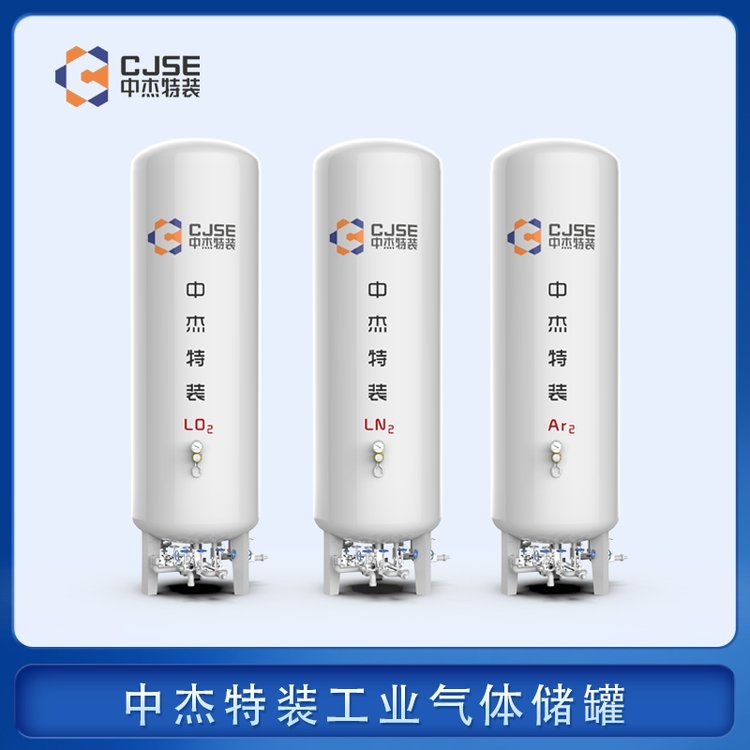
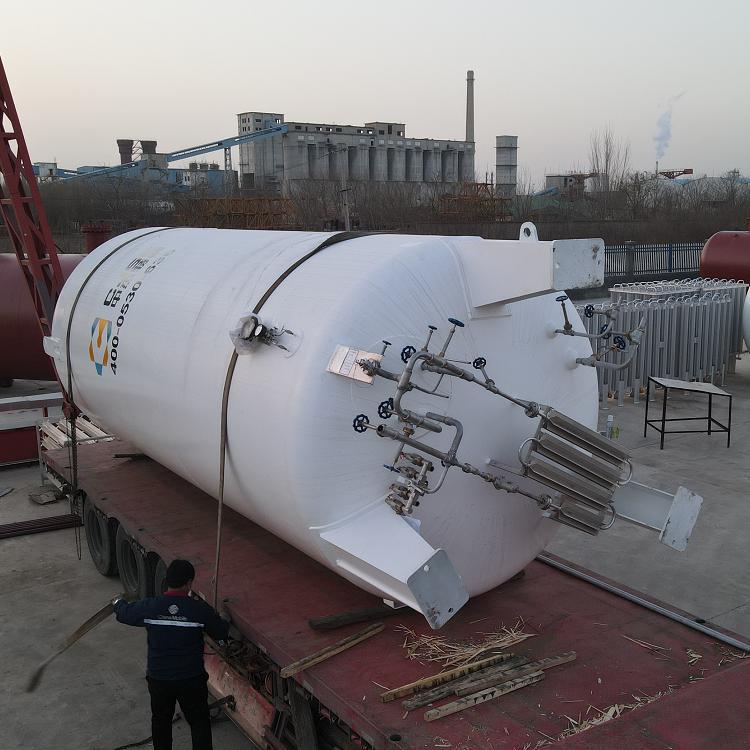



















Shandong Zhongjie Special Equipment specializes in: fuel (gas) boilers, organic heat carrier boilers, biomass boilers, waste heat recovery boilers, and other boiler products; vacuum insulation cryogenic pressure vessels such as LNG tanks, oxygen/nitrogen/argon tanks, and CO2 tanks; pressure vessel products including denitrification engineering equipment, heat storage and energy storage equipment, and complete chemical equipment; central air conditioning and ventilation equipment such as ground (water) source heat pumps, air source units, water-cooled screw units, and air-cooled modular units. Planned products include large-scale energy centers, LNG transport vehicles, LNG tank containers, and other green energy equipment.
When using CO2 storage tanks, the following precautions should be taken:
Safety Operation: Prior to operating a CO2 storage tank, it is mandatory to familiarize yourself with and adhere to the relevant safety operating procedures and guidelines. Ensure that operators have received necessary training and understand the tank's working principle, operational procedures, and emergency measures.
Tank Inspection: Regularly inspect the external and internal condition of the CO2 storage tank, including checking for corrosion, leaks, and welds on the tank walls. If any anomalies or damage are found, take prompt corrective or replacement actions.
Pressure Control: Maintain the tank's internal pressure within a safe range. Monitor and control the tank's pressure to prevent damage or safety risks from excessive or low pressure.
Fire Prevention Measures: CO2 is a flammable gas, so fire prevention measures must be taken when using it. Avoid performing open flame work near the tank and ensure the surrounding environment is flame-free.
Leakage Management: In the event of a CO2 leak, appropriate emergency measures should be taken immediately. Promptly notify relevant personnel, ensure safe evacuation, and take steps to prevent the spread of the leak.
Tank Maintenance: Regularly maintain and service the tank, including cleaning, lubrication, and corrosion prevention. Follow the manufacturer's recommendations and guidelines to ensure the tank operates normally and has a long lifespan.
Compliance: Adhere to local regulations, standards, and specifications to ensure that the tank's design, manufacture, installation, and use meet the respective requirements. It is crucial to strictly follow safety operating procedures when using CO2 storage tanks and to cooperate with relevant personnel to ensure the tank's safety and reliability.
The spacing regulations for carbon dioxide storage tanks are typically governed by relevant safety codes and standards, with specific spacing requirements potentially varying due to factors like location, use, and tank capacity. Here are some common spacing rules:
- Small Spacing Between Tanks: Generally, the small spacing between adjacent tanks should comply with the relevant safety codes and standards. This spacing ensures that neighboring tanks are not affected in the event of a leak or accident.
- Spacing Between Tanks and Buildings: The spacing between tanks and buildings also needs to meet the relevant codes and standards. This ensures that buildings are not compromised in case of a tank leak or accident.
- Spacing Between Tanks and Equipment: The spacing between tanks and other equipment (such as pipelines, pumps, etc.) must also adhere to the relevant codes and standards. This ensures the proper operation and maintenance of the equipment.
- Safety and Evacuation Routes: Sufficient safety and evacuation routes should be provided around the tanks to allow for safe evacuation in emergencies.
It's important to note that specific spacing rules may vary by region and industry. Therefore, when installing and using carbon dioxide storage tanks, it's crucial to refer to local safety codes and standards and consult with experts to ensure compliance.
When using carbon dioxide storage tanks, the following points should be noted:
Safety Operation: When using carbon dioxide storage tanks, it is mandatory to follow relevant safety operation procedures and standards. Operators should receive training to understand the tank's characteristics, operational requirements, and safety measures, and operate strictly according to the procedures.
Tank Inspection: Regularly inspect the tank's appearance, sealing, valves, and pipeline connections to ensure the tank's integrity and safety. In case of any abnormalities or damage, repairs or replacements should be made promptly.
Tank Pressure Control: The tank's pressure should be controlled within a safe range. Regularly check and calibrate pressure sensors, safety valves, etc., to ensure the normal operation of the pressure control system.
Temperature Control: Carbon dioxide storage tanks typically need to be kept at low temperatures. Ensure the proper operation of cooling equipment, regularly check and calibrate temperature sensors to maintain the appropriate storage temperature.
Leak Protection: Carbon dioxide is a gas that is prone to leakage, which can lead to safety risks and environmental pollution. Ensure the tank and pipeline sealing, regularly inspect and replace seals, and promptly address any leakage situations.
Fire and Explosion Prevention: Avoid open flame operations near the tank to prevent fire sources from contacting carbon dioxide. Maintain good ventilation around the tank to prevent the accumulation of carbon dioxide.
Waste Disposal: Disposed carbon dioxide storage tanks or residues should be handled in accordance with relevant regulations and standards. Adhere to environmental protection requirements to ensure the safe disposal of waste and environmental protection.
Regular Maintenance: Regularly maintain and inspect the tank, including cleaning and painting.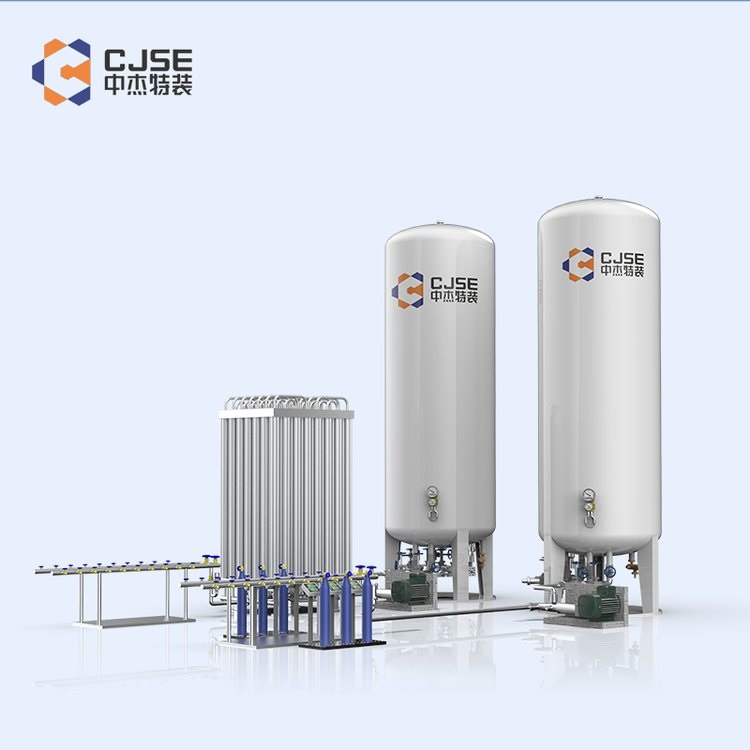
The quality of carbon dioxide storage tanks is influenced by several factors: Material Quality: The quality of the materials used directly affects the tank's corrosion resistance, strength, and sealing performance. Common materials include carbon steel and stainless steel. Choosing high-quality materials can enhance the tank's quality and lifespan. Manufacturing Process: The manufacturing process significantly impacts the tank's quality. Welding, heat treatment, and surface treatment during production should comply with relevant standards and regulations to ensure structural integrity and performance stability. Design Standards: The tank's design must adhere to applicable design specifications and standards, such as industry standards. A well-designed tank ensures adequate strength and safety under normal operating conditions. Safety Components: The safety components of the tank, such as safety valves, pressure sensors, and temperature sensors, play a crucial role in the tank's quality and safety. Selecting high-quality components and ensuring proper installation and tuning can improve the tank's quality and safety. Inspection and Testing: Tanks must undergo inspections and tests during manufacturing, including material inspection, weld testing, and pressure testing. These checks ensure the tank meets quality requirements and complies with safety standards. Usage and Maintenance: The tank's usage and maintenance also impact its quality. Proper usage and regular maintenance can extend the tank's lifespan and maintain its good working condition. In summary, the quality of carbon dioxide storage tanks is affected by various factors, including material quality, manufacturing process, design standards, safety components, inspections and testing, and usage and maintenance. When selecting and using tanks, attention should be given to these factors to ensure quality and safety.
ZJ Special Equipment adheres to the grand vision of "realizing employees' dreams, creating customer value, and striving for the prosperity and strength of our motherland," wholeheartedly committing to the development of green energy equipment. We dedicate products and services of high performance and cost-effectiveness to society!
WeChat Official Account

Scan to follow Official Account




















