


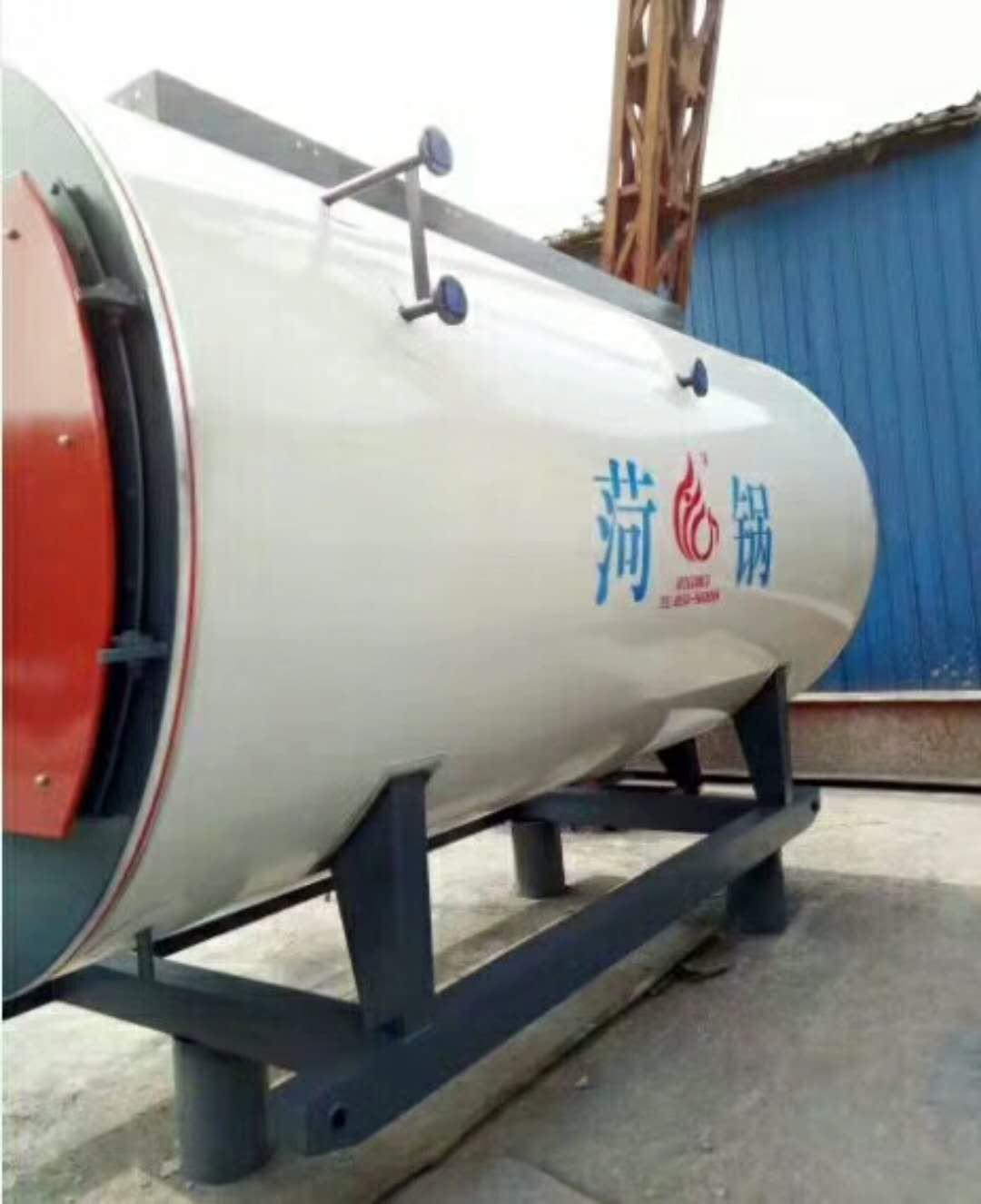

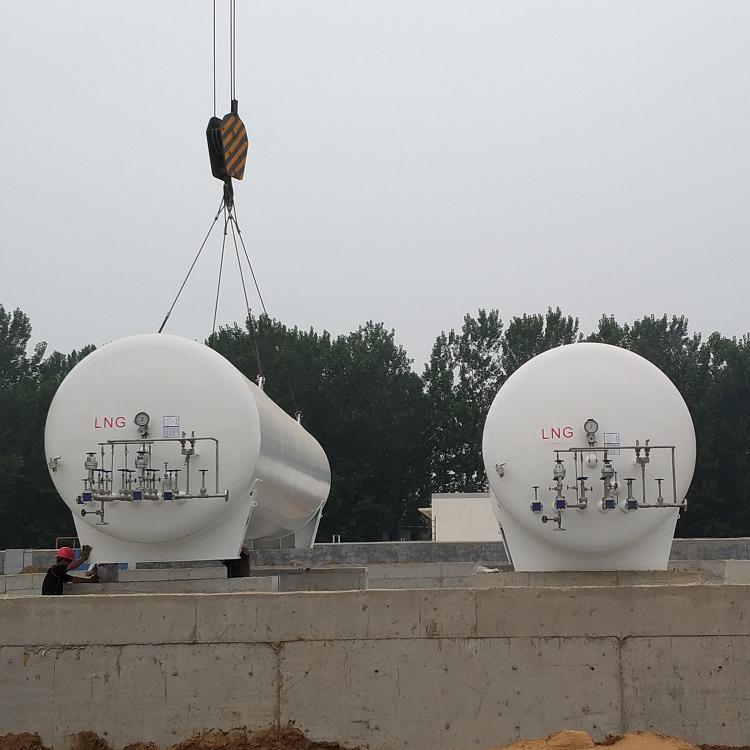
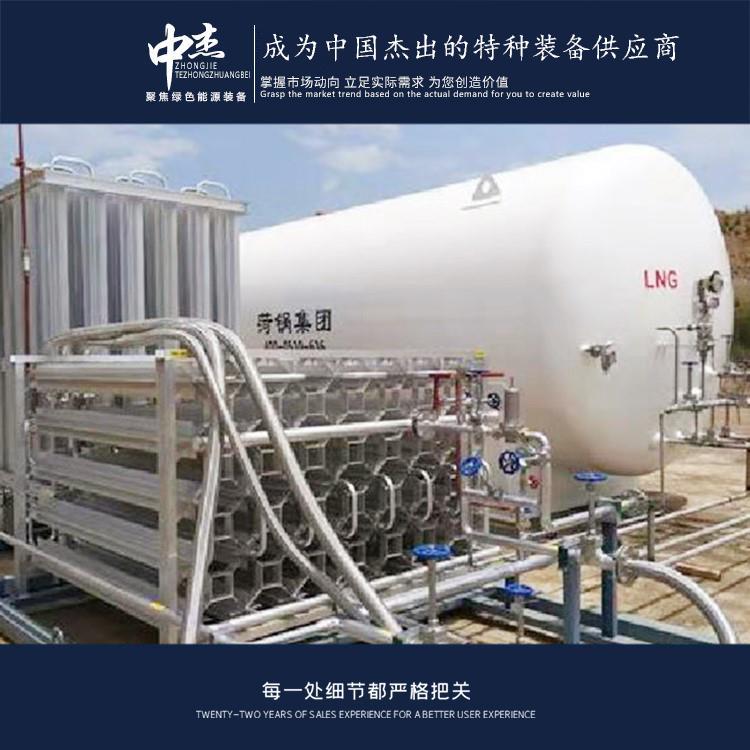



















Shandong Zhongjie Special Equipment specializes in: fuel (gas) boilers, organic heat carrier boilers, biomass boilers, waste heat recovery boilers, and other boiler products; vacuum insulated cryogenic pressure vessels such as LNG tanks, oxygen/nitrogen/argon tanks, CO2 tanks; pressure vessel products including denitrification engineering equipment, heat storage and energy storage equipment, complete chemical equipment sets; central air conditioning and ventilation equipment such as ground (water) source heat pumps, air source units, water-cooled screw units, and air-cooled modular units. Planned products include large-scale energy centers, LNG transport vehicles, LNG tank containers, and other green energy equipment.
Liquid Oxygen Storage Tanks are equipment used for storing and supplying liquid oxygen. Liquid oxygen is obtained by cooling oxygen below its boiling point, converting it into a liquid state. Liquid oxygen storage tanks are typically designed with double or multi-layer structures, filled with insulating material in between to minimize heat transfer and the evaporation of liquid oxygen.
Liquid Oxygen Storage Tank Features:
High Purity: The liquid oxygen tanks store high-purity liquid oxygen, typically achieving a purity of over 99.5%. This makes the liquid oxygen tanks essential for applications requiring high-purity oxygen, such as in medical, aerospace, and experimental research fields.
Low Temperature: As the boiling point of liquid oxygen is -183°C, liquid oxygen storage tanks must have excellent insulation properties to maintain the low temperature state of the liquid oxygen. Tanks are typically designed with double or multi-layer structures, filled with insulating material in between to minimize heat transfer and evaporation of the liquid oxygen.
High Pressure: Liquid oxygen tanks typically need to withstand high pressure to maintain their liquid state. The design and material selection of the tank must consider the pressure requirements of liquid oxygen to ensure the tank's safety and reliability.
Flammability: Liquid oxygen is highly flammable and supports combustion. As a result, fire prevention measures must be implemented in the design and use of liquid oxygen storage tanks, ensuring no ignition sources are present around the tank and that appropriate fire extinguishing equipment is provided.
High Density: Liquid oxygen has a higher density than gaseous oxygen, allowing liquid oxygen tanks to store more oxygen. This gives liquid oxygen tanks an advantage in applications requiring large oxygen supplies, such as in the field.
The use of liquid oxygen tanks must strictly adhere to relevant safety regulations and operating guidelines to ensure safe operation and usage of the tank.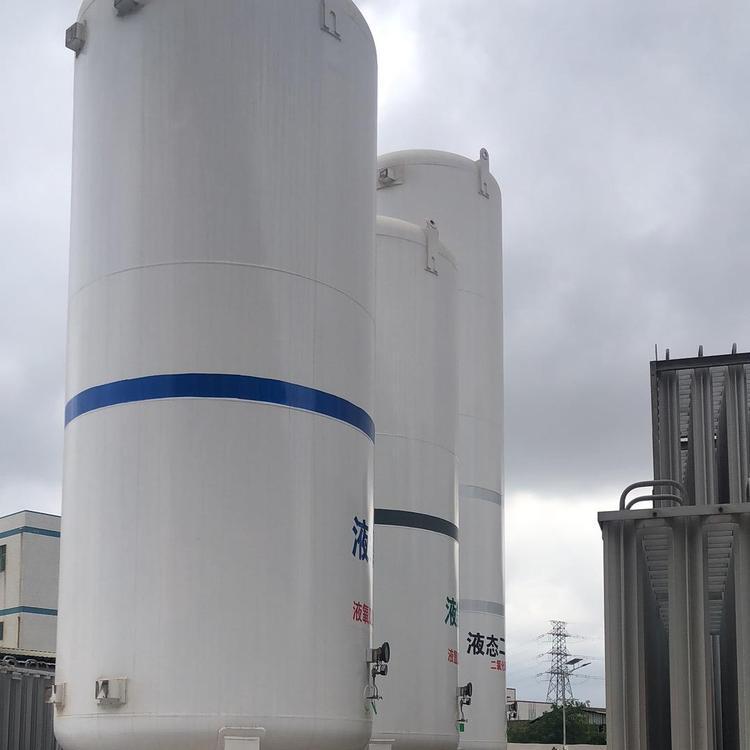
Standard parameters for liquid oxygen storage tanks typically include the following:
Capacity: The capacity of liquid oxygen tanks is typically expressed in liters or cubic meters, with common capacities ranging from a few liters to several thousand liters.
Work Pressure: The working pressure of liquid oxygen tanks is typically expressed in MPa or bar, with a common working pressure range varying from 0.2 MPa to 2.5 MPa.
Design Temperature: The design temperature of liquid oxygen storage tanks is typically expressed in degrees Celsius, with common design temperature ranges varying from -196℃ to -150℃.
Material: The primary material for liquid oxygen storage tanks is typically stainless steel, which boasts excellent corrosion resistance and low-temperature performance.
Insulation Layer: Liquid oxygen tanks are typically equipped with an insulation layer to minimize evaporation losses of liquid oxygen. The material for the insulation layer is usually a multi-layer composite material or foam glass.
Safety Valve: Liquid oxygen storage tanks must be equipped with a safety valve to control the internal pressure of the tank and prevent it from bursting due to excessive pressure.
Leak Detectors: Liquid oxygen storage tanks are typically equipped with leak detectors to promptly detect and alarm any leakage of liquid oxygen.
Appearance Design: The appearance design of liquid oxygen storage tanks typically conforms to relevant standards and regulations, including exterior colors, markings, and safety warning signs.
Note that the specific parameters of liquid oxygen tanks may vary depending on different manufacturers and application requirements; the above are just general common standard parameters. In actual use, choose an appropriate liquid oxygen tank based on the specific situation.
The application of strain-hardening in austenitic stainless steel on low-temperature pressure vessels is a common method, which can enhance the strength and durability of the material. Here is some information regarding the application of strain-hardening in austenitic stainless steel on low-temperature pressure vessels:
Principle of Strain Hardening: Strain hardening is achieved by introducing plastic deformation into the material, which alters the crystal structure, thereby increasing the material's strength. In Austenitic stainless steel, strain can be introduced through methods such as cold working (e.g., cold rolling, cold drawing) or heat treatment (e.g., solution treatment and cold deformation), causing dislocation and grain boundary sliding in the crystal structure, thereby enhancing the material's strength.
Low-Temperature Application Advantages: Austenitic stainless steel exhibits excellent corrosion resistance and low-temperature toughness in cold environments. Strain hardening further enhances the strength and durability of austenitic stainless steel, enabling it to perform in low-temperature pressure vessels. Under low-temperature conditions, strain hardening effectively resists plastic deformation and fracture of the material, improving its tensile strength and impact resistance.
Application Cases: Strain-hardened austenitic stainless steel is widely used in low-temperature pressure vessels. For instance, in liquid nitrogen, liquid oxygen, and liquid argon tanks, among other low-temperature containers, strain-hardened austenitic stainless steel is commonly used as structural material. These vessels must withstand high pressure and impact loads at low temperatures; strain-hardening enhances the material's strength and durability, ensuring safe operation of the containers.
It is important to note that the strain hardening of austenitic stainless steel should be conducted at the appropriate temperature and deformation conditions to avoid excessive deformation and material embrittlement. When designing and manufacturing low-temperature pressure vessels, the specific engineering requirements and material characteristics should be considered to rationally select and apply the strain hardening of austenitic stainless steel.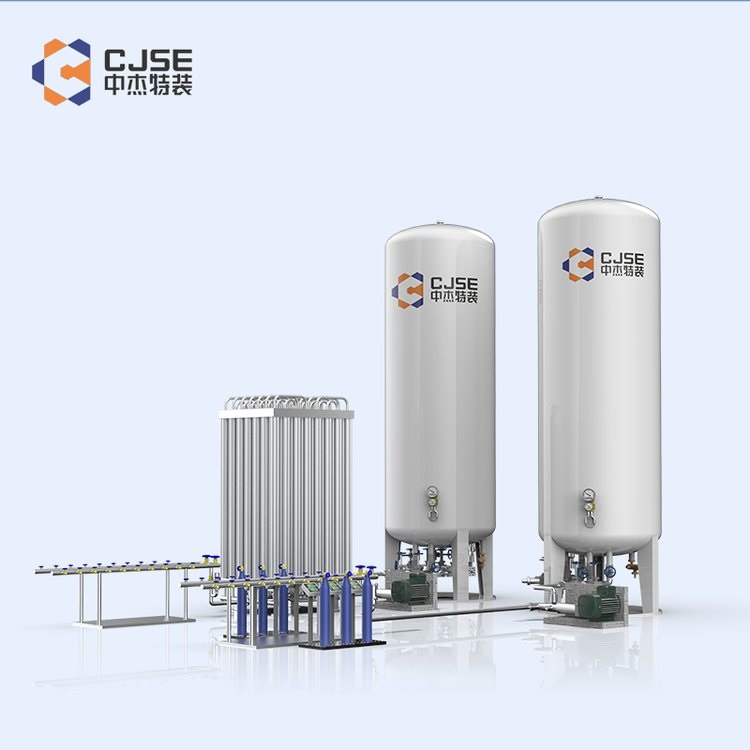
To prevent the explosion of liquid oxygen tanks, the following measures can be taken:
Regular inspections and maintenance: Conduct regular checks and maintenance on liquid oxygen tanks, including inspecting the tank's exterior, welds, valves, and fittings, to ensure they are in perfect condition without any damage. Regularly clean the tank to remove impurities and dirt adhering to its surface.
Pressure Control: Tanks should be equipped with a pressure control device to ensure the internal pressure of the tank remains within a safe range. Regularly inspect and adjust the pressure control device to ensure proper operation.
Temperature Control: The liquid oxygen tank should be maintained within an appropriate temperature range to prevent excessive heat from causing increased pressure. Ensure the tank's insulation is intact to minimize heat conduction and loss.
Fire Prevention Measures: Liquid oxygen has a high oxygen content and flammability, thus strict fire prevention measures are required. A fire separation zone should be established around the storage tank, with smoking and open flames prohibited. Ensure the storage tank maintains a proper fire separation distance from other facilities.
Pressure relief devices and safety valves: Liquid oxygen storage tanks should be equipped with pressure relief devices and safety valves to prevent overpressure and sudden pressure increases. Regularly inspect and test the operational status of the pressure relief devices and safety valves to ensure their proper functioning.
Tank Operation Guidelines: Adhere strictly to the operational specifications and safety requirements for liquid oxygen tanks. Operators must be trained and familiar with the tank's characteristics and operation techniques. Avoid operational errors and violations.
Emergency Preparedness: Establish emergency response plans and conduct drills to address potential accidents. Train operators in emergency response capabilities to ensure timely and effective handling.
Zhongjie Special Equipment upholds the grand vision of "realizing employees' dreams, creating value for customers, and striving for the prosperity and strength of our motherland," and is dedicated to the development of the green energy equipment industry. We offer society high-quality products and services at competitive prices!
WeChat Official Account

Scan to follow Official Account




















