


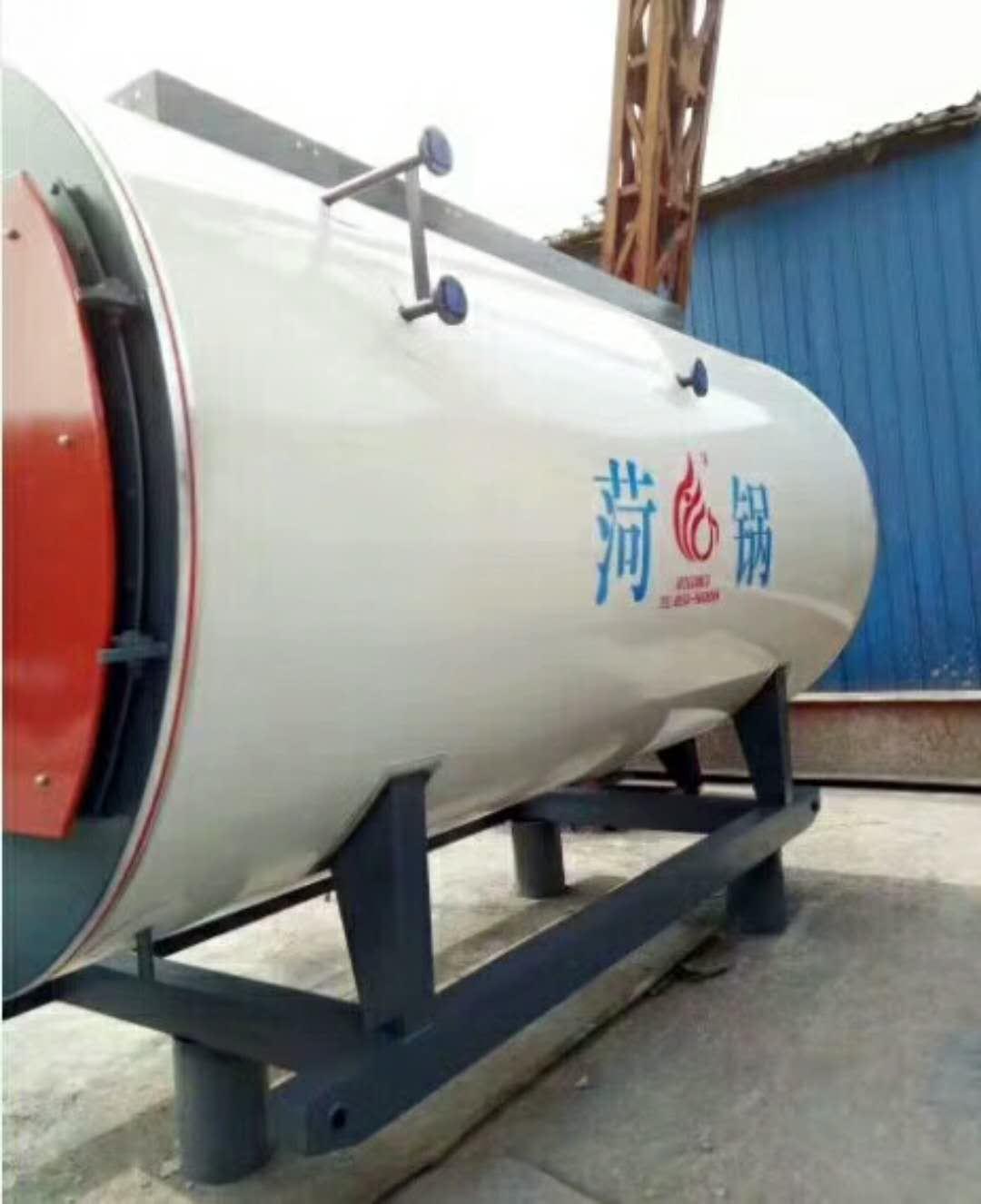

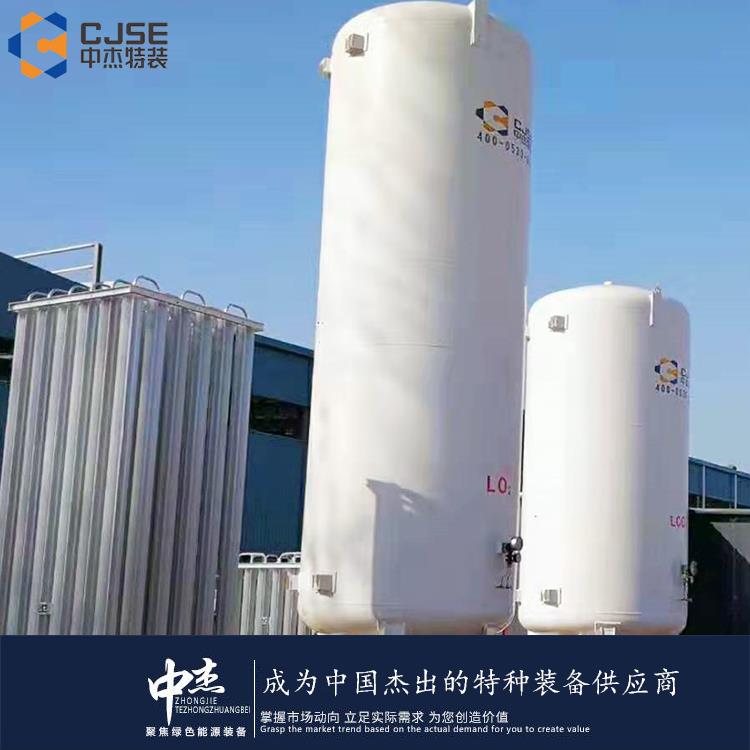
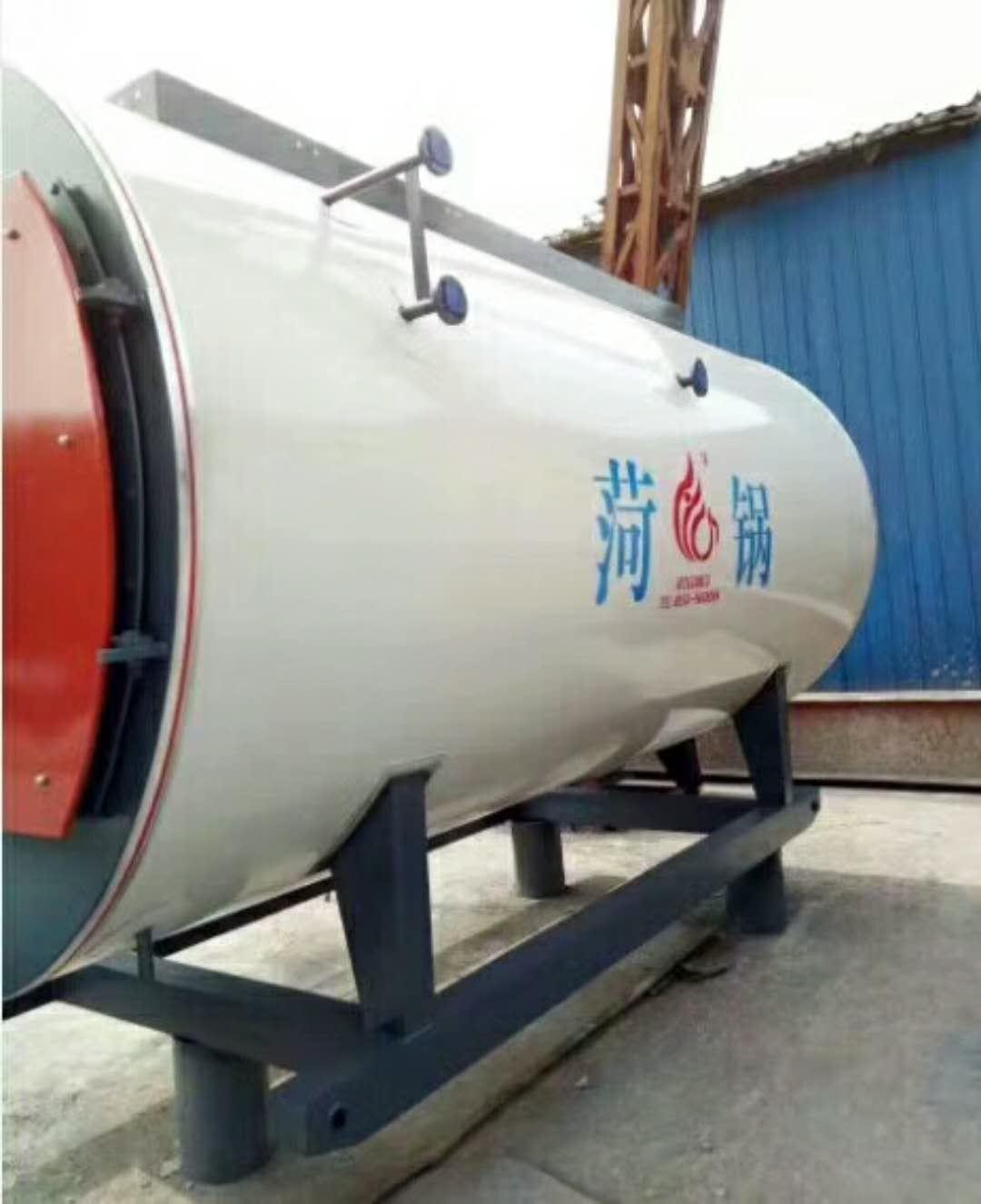



















Shandong Zhongjie Special Equipment (formerly Heze Boiler Factory Co., Ltd.) holds an A-grade boiler manufacturing license, an A2-grade pressure vessel manufacturing license, an A2-grade pressure vessel design license, a B-grade boiler installation license, and GB2/GB3-grade pressure pipeline installation licenses, as well as a mechanical and electrical equipment installation contracting qualification. It is a member of the China Boiler and Water Treatment Association, the China Chemical Equipment Association, and the director unit of the Shandong Equipment Manufacturing Association. The company has also passed the ISO9001 Quality Management System, ISO14001 Environmental Management System, OHSAS18001 Occupational Health and Safety Management System certifications, and the American ASME/U2 certification.
Daily inspections of liquid nitrogen tanks should include the following aspects:
Level Check: Regularly inspect the liquid nitrogen tank's level to ensure it remains within the normal range. This can be done using a level gauge or a level scale, among other equipment.
Pressure Check: Inspect the tank's pressure to ensure it is within the safe range. Pressure gauges or pressure sensors can be used for the inspection.
Insulation Layer Inspection: Verify the integrity of the tank's insulation to ensure there are no breaches or detachments. The integrity of the insulation layer is crucial for reducing heat transfer and preventing evaporation of liquid nitrogen.
Leak Inspection: Check for signs of liquid nitrogen leakage around the storage tank, such as vapor mist, frost, or freezing. If a leak is detected, take immediate action to repair it.
Valve and Pipe Inspection: Verify that the valves and pipes of the storage tank are functioning properly without any gas leaks or blockages. Ensure the tightness and unobstructed flow of the valves and pipes.
Safety Device Inspection: Check the safety devices of the storage tank, such as pressure relief valves, temperature sensors, and liquid level alarms, to ensure they are functioning properly.
External Tank Cleaning: Regularly clean the exterior surface of the tank to remove dust, dirt, and debris. Maintain the tank's appearance for easy inspection and maintenance.
Record and Documents: Timely record the inspection results and maintenance records of the storage tank, including liquid level, pressure, insulating layer condition, leakage status, etc. These records aid in monitoring the tank's operational status and identifying issues promptly.
Above is the routine inspection content for liquid nitrogen storage tanks. Regularly performing these checks ensures the safe operation and effective use of the tanks. At the same time, adhere to relevant safety regulations and operation guidelines to ensure the safety of personnel and equipment.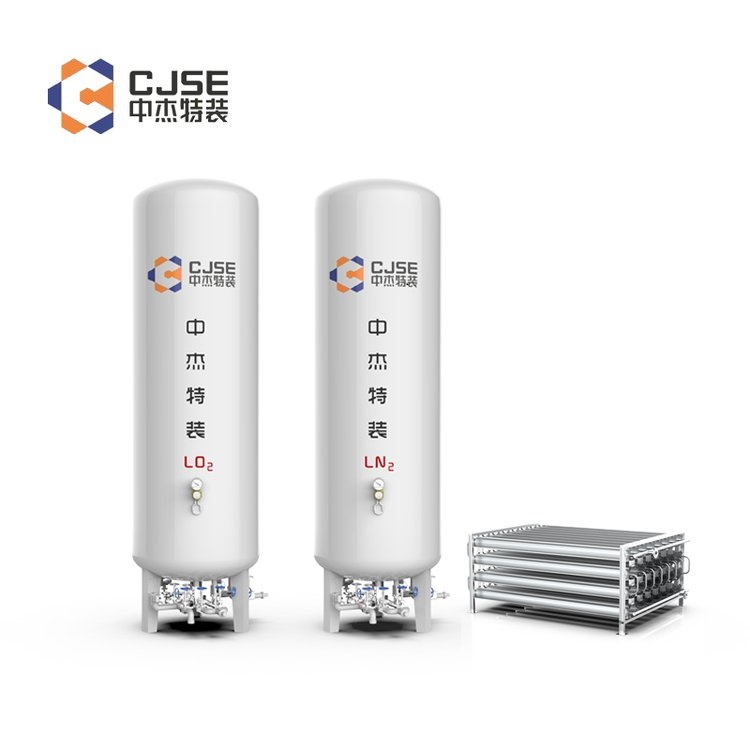
When storing liquid nitrogen in low-temperature storage tanks, please note the following:
Protective Gear: When operating low-temperature storage tanks, it is mandatory to wear appropriate protective gear, including protective gloves, suits, and non-slip shoes. This equipment can safeguard the skin from the low temperatures of liquid nitrogen and other hazards.
Avoid direct contact: Liquid nitrogen is extremely cold and can cause chilling. Therefore, it is essential to avoid direct contact with liquid nitrogen, especially with the skin. Use tools or implements for handling to prevent direct hand contact with liquid nitrogen.
Ventilation Requirements: In the operational area of low-temperature storage tanks, adequate ventilation must be ensured to expel gases produced by the evaporation of liquid nitrogen. Maintain air circulation to avoid excessive oxygen concentration, and reduce the risk of fire and explosion.
Prevent Leaks: Regularly inspect the low-temperature storage tanks for leaks and equip with leak detection and alarm systems. In case of a leak, take immediate action to control and repair it. Avoid the hazards of liquid nitrogen leaks to personnel and the environment.
Fire Prevention Measures: Liquid nitrogen has a low boiling and freezing point, which is prone to causing fires. Measures such as setting up fire barriers around low-temperature storage tanks and using fire-retardant coatings are taken to prevent fires from occurring and spreading.
Static protection: Electrostatic buildup in low-temperature storage tanks may cause sparks, increasing the risk of fire. Measures should be
The application of strain-hardening in austenitic stainless steel on low-temperature pressure vessels is a common method, which can enhance the strength and durability of the material. Here are some details regarding the application of strain-hardening in austenitic stainless steel on low-temperature pressure vessels:
Principle of Strain Hardening: Strain hardening is achieved by introducing plastic deformation into the material, which alters the crystal structure, thereby enhancing the material's strength. In Austenitic stainless steel, strain can be introduced through methods such as cold working (e.g., cold rolling, cold drawing) or heat treatment (e.g., solution treatment and cold deformation), leading to dislocations and grain boundary slips in the crystal structure, thus increasing the material's strength.
Low Temperature Application Advantages: Austenitic stainless steel exhibits excellent corrosion resistance and low-temperature toughness in cold environments. Strain hardening can further enhance the strength and durability of Austenitic stainless steel, enabling it to perform in low-temperature pressure vessels. Under low-temperature conditions, strain hardening effectively resists plastic deformation and fracture of the material, improving its tensile strength and impact resistance.
Application Cases: Austenitic stainless steel's strain-hardening is widely used in low-temperature pressure vessels. For instance, in liquid nitrogen, liquid oxygen, and liquid argon tanks, among other low-temperature containers, strain-hardened austenitic stainless steel is commonly used as a structural material. These vessels must withstand high pressure and impact loads at low temperatures; strain-hardening enhances the material's strength and durability, ensuring the safe operation of the containers.
It is important to note that the strain hardening of austenitic stainless steel should be conducted at suitable temperatures and deformation conditions to avoid excessive deformation and material embrittlement. When designing and manufacturing low-temperature pressure vessels, the specific engineering requirements and material characteristics should be considered to rationally select and apply the strain hardening of austenitic stainless steel.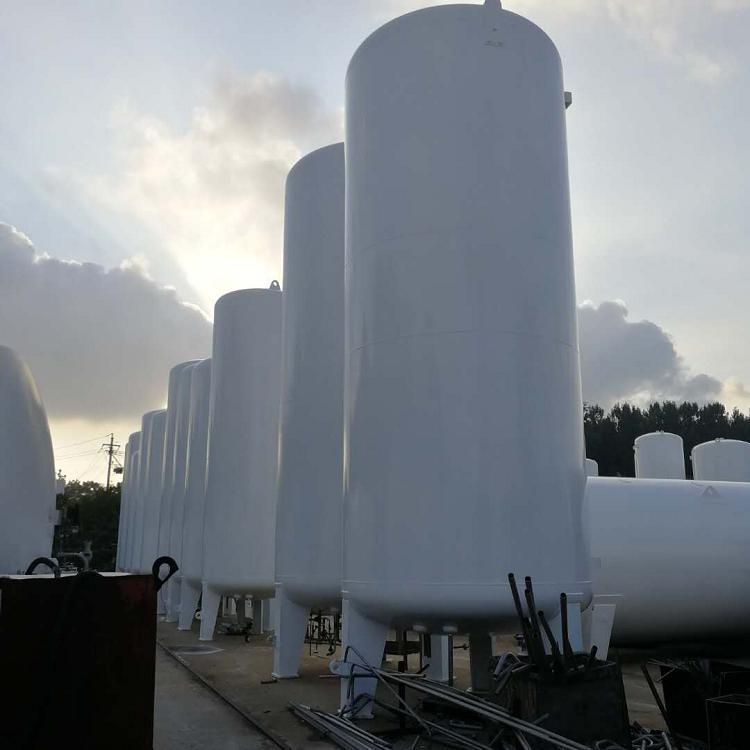
To extend the service life of low-temperature liquid storage tanks, the following measures can be taken:
Regular Inspections and Maintenance: Conduct regular visual inspections of the storage tank, including the shell, welds, valves, and connections. Check for any abnormalities such as cracks, corrosion, or deformation, and promptly repair or replace damaged parts.
Maintain the Insulation Layer: The insulation is crucial for the thermal retention of low-temperature liquid storage tanks. Regularly inspect the integrity and insulating properties of the insulation, repair or replace damaged insulation materials to ensure the tank's thermal insulation effectiveness.
Control temperature and pressure: The temperature and pressure of the low-temperature liquid storage tank should be maintained within a safe range. Avoid excessive or low temperatures and pressures that may damage the tank. Implement appropriate cooling or heating measures to ensure stable temperature and pressure of the liquid.
Corrosion Protection: The tank's shell and internal structure should be protected against corrosion and oxidation. Regular inspections and maintenance of the protective coating are essential to ensure its integrity.
Avoid excessive pressure and overfilling: Prevent the internal pressure of the tank from being too high or too low, as well as overfilling with liquid. Excessive pressure and overfilling can lead to structural破裂 or damage to the tank.
Regular cleaning and waste removal: Periodically clean the interior of the tank to remove accumulated impurities and dirt. Regularly remove waste to prevent damage to the tank from impurities and sediments in the liquid.
Safety Operation and Training: Ensure operators are equipped with knowledge and skills for the safe operation of cryogenic liquid storage tanks. Strengthen safety training to enhance operators' safety awareness and emergency response capabilities.
Manage records and documents: Establish comprehensive management records and documents, including the usage status of storage tanks.
ZJ Special Equipment adheres to the great vision of "Realizing employees' dreams, creating value for customers, and striving for the prosperity and strength of our motherland," wholeheartedly dedicated to the development of green energy equipment industry. We commit to society with high-value products and services!
WeChat Official Account

Scan to follow Official Account




















