






















Shandong Zhongjie Special Equipment's main products include: fuel (gas) boilers, organic heat carrier boilers, biomass boilers, waste heat recovery boilers, and other boiler products; vacuum insulation cryogenic pressure vessels such as LNG tanks, oxygen/nitrogen/argon tanks, and CO2 tanks; pressure vessel products such as denitrification engineering equipment, heat storage and energy storage equipment, and complete chemical equipment sets; central air conditioning and ventilation equipment such as ground (water) source heat pumps, air source units, water-cooled screw units, and air-cooled modular units. Planned products include large-scale energy centers, LNG transport vehicles, LNG tank containers, and other green energy equipment.
Biofuel hot water boilers may produce scale during operation, affecting the boiler's heat transfer and efficiency. Here are some methods to reduce scale:
Fuel Selection: Choose high-quality biomass fuel such as wood chips, straw, etc. Avoid using fuel with excessive impurities and ash to reduce soot generation.
Combustion Adjustment: Properly adjust combustion parameters such as fuel supply, oxygen supply, and combustion temperature. Both excessively high or low combustion temperatures can lead to soot formation. Maintaining an appropriate combustion temperature helps reduce soot buildup.
Clean combustion chamber: Regularly clean the combustion chamber to remove ash and soot generated during the combustion process. Use appropriate tools and cleaning agents for cleaning to ensure the chamber remains clear and free of debris.
Heat Exchanger Cleaning: Regularly clean heat exchangers, particularly those on the flue side. Combustion may produce particulates and slag in the flue gases, which can adhere to the heat exchanger surface, affecting heat transfer efficiency. Employing appropriate cleaning methods, such as mechanical or chemical cleaning, can reduce the accumulation of dirt.
Water Treatment: Proper water treatment for boiler feed water to prevent impurities and sediments from depositing inside the boiler. Methods such as water softening, deoxygenation, and scaling removal can be employed to maintain the cleanliness and stability of the water supply.
Regular Maintenance: Perform regular maintenance and inspections on the boiler, including cleaning and replacing critical components. Early detection and treatment of dirt issues can prevent further accumulation and affect the normal operation of the boiler.
Please note that specific methods for reducing dirt may vary depending on the model and manufacturer of biomass hot water boilers. It is recommended to refer to the manufacturer's operating manual and guidelines to adopt appropriate dirt reduction measures based on the specific situation.
Possible reasons for incomplete combustion of fuel in biomass boilers may include the following aspects:
Inappropriate combustion conditions: If the combustion temperature is too low, the oxygen supply is insufficient, or the combustion time is not adequate during the burning process, the fuel may not combust completely. This could be due to improper burner settings, an irrational ventilation system, or inaccurate adjustment of combustion parameters.
Fuel Quality Issue: The quality of fuel can also affect combustion efficiency. If the fuel contains excessive moisture, impurities, or ash, it can impact the calorific value and combustion properties during the combustion process, leading to incomplete combustion.
Inadequate combustion chamber design: The design of the combustion chamber significantly affects the combustion efficiency. An improperly structured combustion chamber, insufficient combustion space, or uneven airflow distribution within the chamber can all lead to incomplete fuel combustion.
Burner System Failure: A malfunction in the combustion system can also lead to incomplete fuel combustion. For instance, issues such as clogged burner nozzles, a faulty ignition system, or abnormal operation of the combustion fan can all affect combustion efficiency.
Lack of maintenance and cleaning: Regular maintenance and cleaning of biomass boilers are crucial for maintaining combustion efficiency. Issues like ash accumulation, slagging, or blockages inside the boiler can affect the normal combustion of fuel, leading to incomplete combustion.
To address issues of incomplete fuel combustion, the following measures can be taken: Adjust combustion parameters to ensure proper combustion temperature, oxygen supply, and burn time; select the appropriate amount of fuel and ensure its storage and handling meet requirements; regularly maintain and clean the boiler to keep the combustion system running smoothly. Additionally, depending on the specific situation, it may be necessary to consult with boiler maintenance personnel or manufacturers for more detailed and accurate solutions.
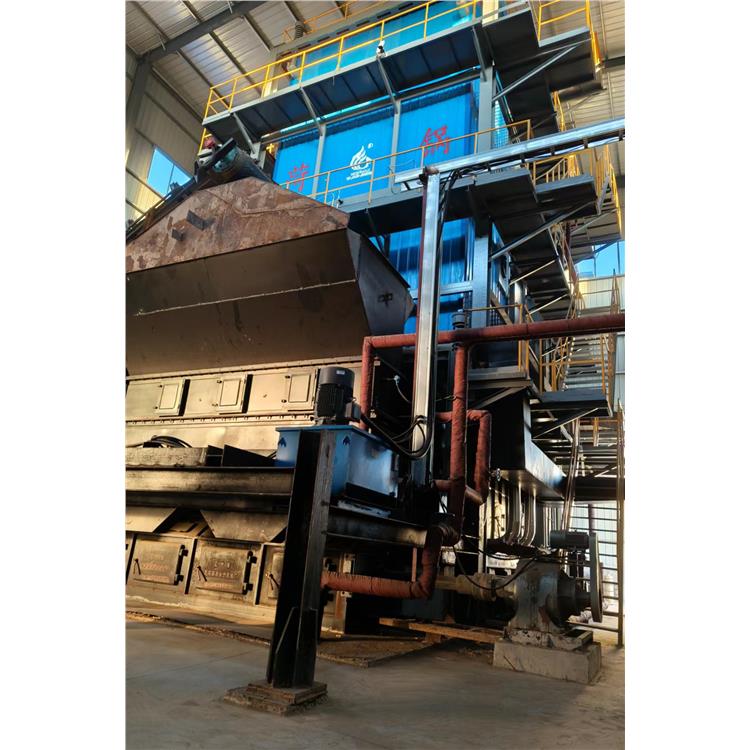
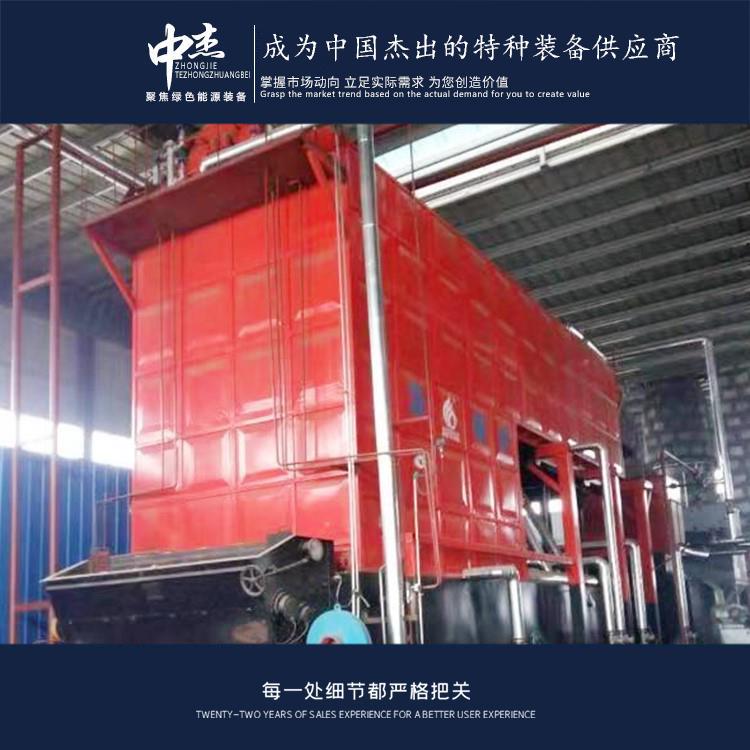
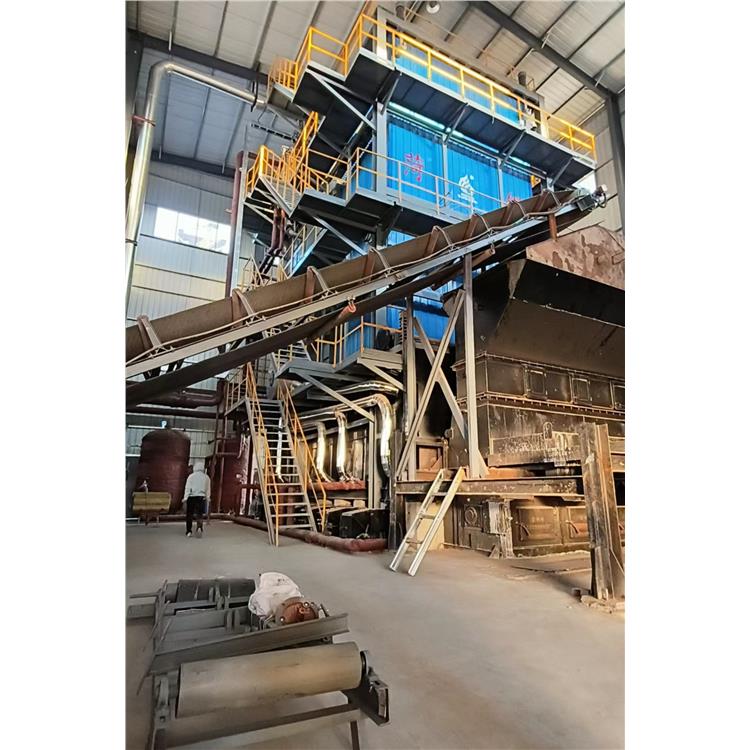
The DZL type rapid assembly biomass boiler is a common model of biomass boiler, featuring the following characteristics:
Quick Installation: The DZL type rapid-installation biomass boiler features modular design, with the boiler body and equipment pre-assembled in the factory. On-site, only simple connections and adjustments are needed, significantly reducing installation time and project duration.
High combustion efficiency: Utilizes a special combustion chamber design and combustion system, ensuring complete combustion of biomass fuel in the furnace, resulting in high thermal efficiency. Additionally, equipped with an economizer and flue gas recirculation unit, further enhancing thermal efficiency.
Automated Control: The DZL type quick-assembly biomass boiler is equipped with an automated control system, enabling the control and monitoring of the combustion process. With a PLC controller and a touch screen, parameters such as fuel supply, air supply, and combustion temperature can be adjusted, ensuring the stable operation of the boiler.
Multiple Fuel Compatibility: The DZL quick-assembly biomass boiler is suitable for various biomass fuels such as wood chips and straw. Different fuels can be selected according to actual conditions, enhancing fuel substitutability and flexibility.
Environmental Protection and Energy Saving: The DZL type rapid assembly biomass boiler utilizes biomass fuel, which results in relatively low emissions of flue gas and waste residue during combustion. The pollutants emitted are at a low concentration. The biomass fuel itself has the characteristics of low sulfur and low nitrogen, and the waste residue after combustion can be reused as organic fertilizer or biomass fuel, reducing environmental pollution.
Compact Structure: DZL Type Quick Assembly Biomass Boiler
The internal structure of an automatic biomass boiler typically includes the following main components:
Combustion Chamber: The combustion chamber is the area within a biomass boiler where combustion takes place. It typically consists of the burner, combustion chamber walls, top, and bottom. The combustion chamber provides the space and oxygen needed for the biomass fuel to burn and generate heat energy.
Chimney System: The chimney system is designed to direct flue gases produced by combustion out of the combustion chamber. It includes flue pipes, chimneys, and flue gas purification equipment. The design and layout of the chimney system can effectively enhance the efficiency of flue gas emissions and heat energy utilization.
Heat Exchangers: Heat exchangers are a critical component in biomass boilers, used to transfer the thermal energy from the flue gases produced by combustion to water or other working fluids. Common types of heat exchangers include tube-type and flue-tube type heat exchangers. The design and material selection of heat exchangers are crucial for improving
Shandong Zhongjie Special Equipment, welcome customers to our factory for business discussions.
WeChat Official Account

Scan to follow Official Account




















