


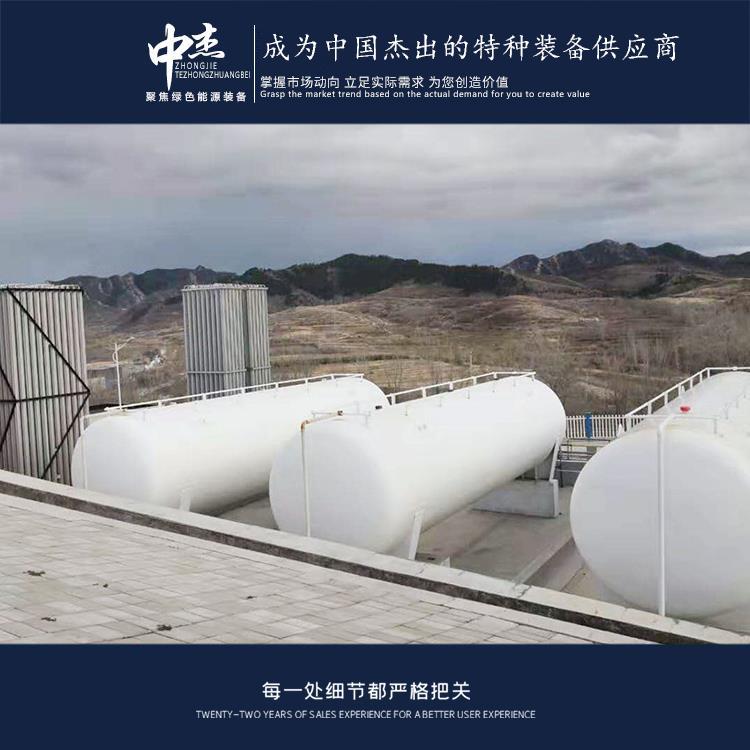

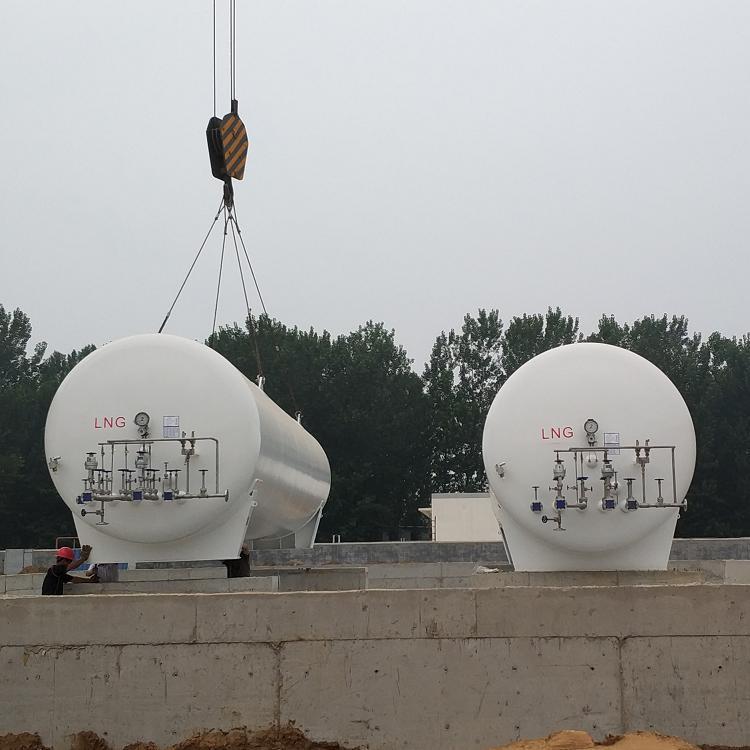
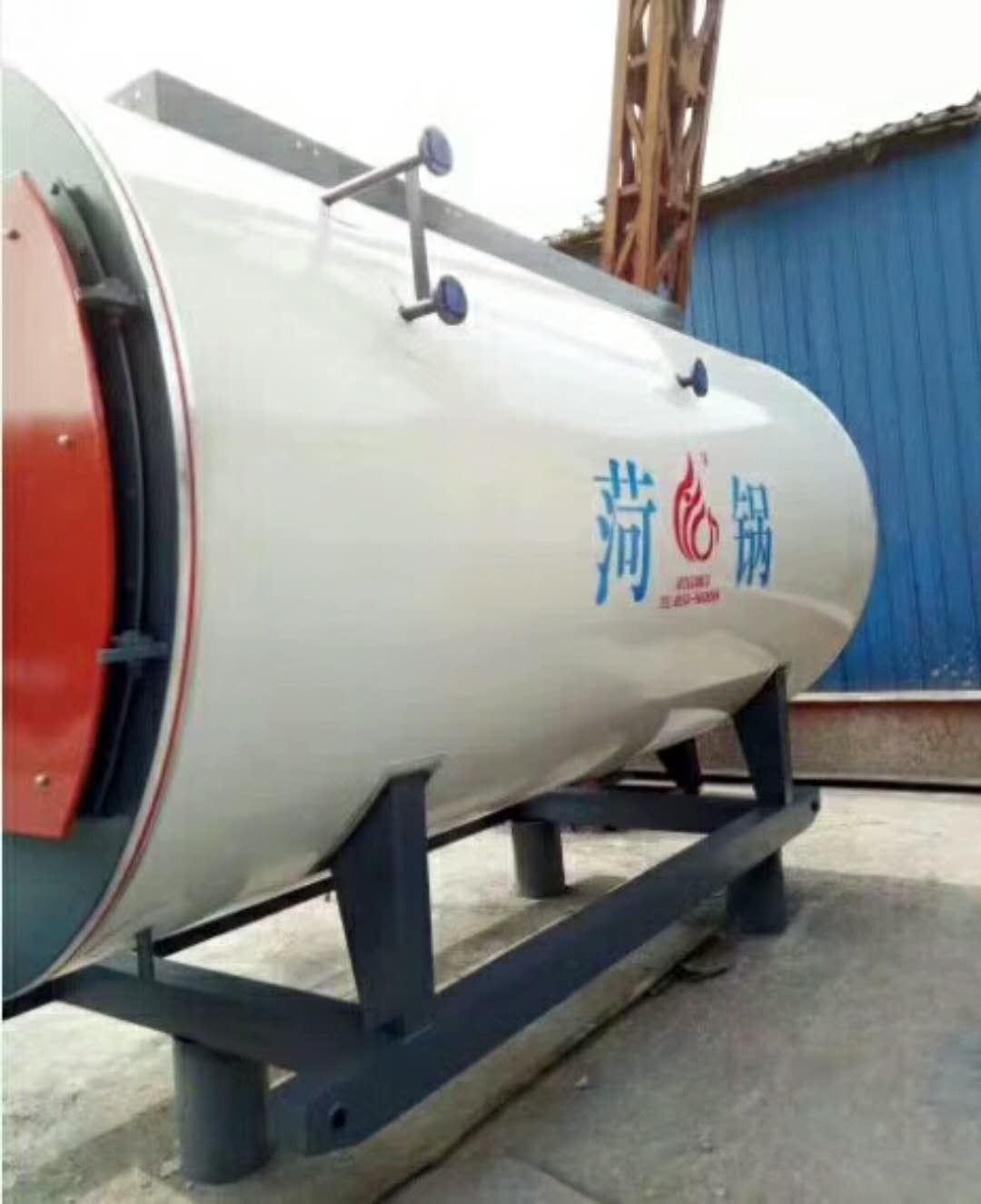



















Shandong Zhongjie Special Equipment (formerly Heze Boiler Factory Co., Ltd.) holds an A-grade boiler manufacturing license, A2-grade pressure vessel manufacturing license, A2-grade pressure vessel design license, B-grade boiler installation and GB2/Class, GC2/Class pressure pipeline installation licenses, and a machinery and electrical equipment installation contracting license. It is a member of the China Boiler and Water Treatment Association, the China Chemical Equipment Association, and a board member unit of the Shandong Equipment Manufacturing Association. The company has also passed the ISO9001 Quality Management System, ISO14001 Environmental Management System, OHSAS18001 Occupational Health and Safety Management System certifications, and the U.S. ASME/U2 certification.
The filling of low-temperature liquid nitrogen tanks refers to the process of transferring liquid nitrogen from an external supply source into the tank. Below is an explanation of the filling process for low-temperature liquid nitrogen tanks:
Preparation: Prior to filling the liquid nitrogen tank, thorough preparation is required. This includes inspecting the tank's condition and safety, ensuring the interior is clean, free of impurities and contaminants. Additionally, check the quality of the liquid nitrogen supply source and the safety of the supply pipeline.
Connect supply source: Link the liquid nitrogen supply source to the liquid outlet of the storage tank. Ensure the connection is securely fastened to prevent leaks.
Control Liquid Level: During the bottling process, it is necessary to control the liquid nitrogen level to prevent overfilling or overflow. A liquid level gauge or level control system can be used to monitor and control the liquid level.
Slow Injection: The injection of liquid nitrogen should be done slowly to avoid rapid vaporization and pressure increase. Appropriate valves and flow control devices can be used to regulate the injection rate.
Monitor Pressure: During the canning process, it is necessary to monitor the pressure of the storage tank to ensure it remains within a safe range. Pressure gauges or pressure sensors can be used for monitoring.
Canning completed: Stop injecting liquid nitrogen when the liquid level reaches the predetermined filling quantity or the tank's capacity limit. Disconnect from the supply source and ensure the sealing integrity of the filling port.
Safe Operation: Throughout the canning process, relevant safety regulations and operating guidelines must be followed. Liquid nitrogen is highly flammable and has low temperatures, so operators should wear appropriate personal protective equipment and ensure there are no sources of fire in the operating environment.
When bottling liquid nitrogen, be mindful of its low-temperature characteristics and safety. Ensure safe operation and control during the bottling process to guarantee the safe operation of the storage tank and the effective storage of liquid nitrogen.
During the installation process of the central oxygen supply low-temperature liquid oxygen storage tank, it is necessary to pay special attention to the following aspects:
Safe Operation: Strict adherence to safety procedures and standards is mandatory during the storage tank installation process. Operators must be trained, familiar with the properties and safety requirements of liquid oxygen, as well as the equipment and operational procedures, to ensure safe operation.
Fire Prevention Measures: Liquid oxygen contains a high concentration of oxygen, which is prone to cause fires. During the installation process, necessary fire prevention measures should be taken, such as setting up fire barriers, using fire-retardant coatings, and prohibiting open flames, to prevent fires from occurring and spreading.
Leakage Control: Pay attention to leakage control during the installation process. Oxygen leakage can lead to increased oxygen concentration, heightening the risk of fire and explosion. Leak detectors and alarm systems should be equipped to detect and control leaks promptly, and appropriate emergency measures should be taken.
Oxygen Concentration Monitoring: During the process, the oxygen concentration around the liquid oxygen storage tank should be regularly monitored. High oxygen concentrations can exacerbate the combustion of flammable materials, increasing the risk of fire and explosion. Take timely measures to ensure the oxygen concentration remains within safe limits.
Grounding and Static Electricity Protection: During the liquid oxygen equipment process, ensure that the storage tank and related equipment are properly grounded to minimize static buildup and discharge. Use static-conductive materials and anti-static equipment to reduce the dangers caused by static electricity.
Regular inspections and maintenance: After the installation is completed, the liquid oxygen tank should be regularly inspected and maintained. This includes visual inspections, pressure tests, leak detection, etc., to ensure the tank's safety and stability.
Note that during the installation of the central oxygen supply low-temperature liquid oxygen storage tank, it should be operated by experienced personnel and in accordance with relevant safety operation procedures and standards. Throughout the installation process, safety risks should be closely monitored, and timely measures should be taken to ensure the safety and stability of the installation.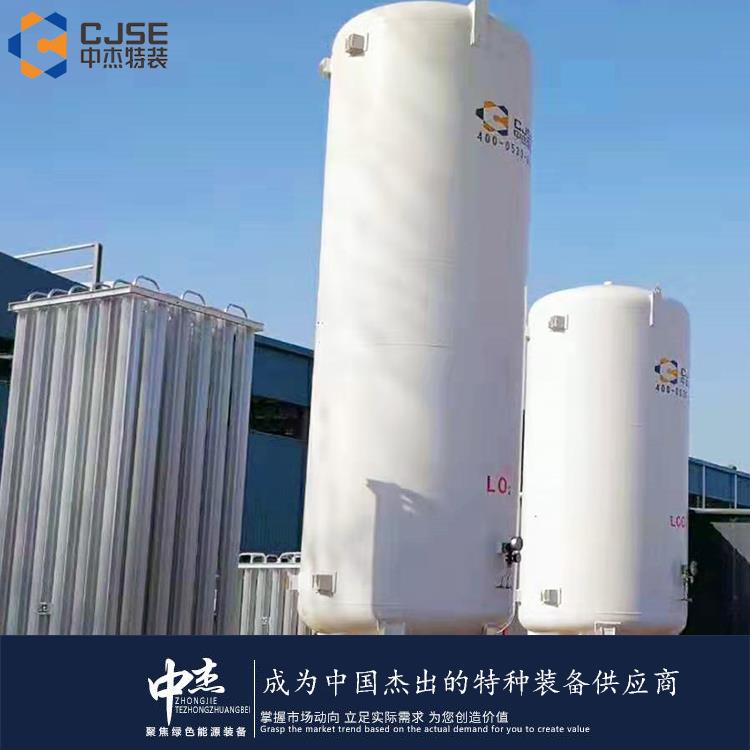
Liquid nitrogen tanks are used for storing and transporting liquid nitrogen. To ensure safe operation, here are some common operational safety procedures for liquid nitrogen tanks:
Tank Installation: Tanks should be installed on a solid and level foundation, away from fire sources and flammable materials. Good ventilation around the tank should be maintained to prevent gas accumulation. The tank should be kept at a safe distance from other equipment and buildings.
Liquid Nitrogen Filling: When filling with liquid nitrogen, use appropriate liquid nitrogen transfer equipment to avoid direct contact. During the filling process, monitor and control the flow rate and pressure of liquid nitrogen to prevent overfilling and excessive tank pressure.
Tank Pressure Control: Tanks should be equipped with pressure control devices to ensure internal pressure remains within safe limits. Regularly inspect and maintain these devices to ensure proper operation.
Leak Detection and Alarm Systems: Storage tanks should be equipped with leak detection and alarm systems to promptly identify and alert of any leaks. Regularly inspect and maintain the leak detection equipment to ensure proper functioning.
Fire and Explosion Prevention Measures: A fire-resistant isolation zone should be established around the storage tank, keeping it away from fire sources and flammable materials. The storage tank itself should adopt fire and explosion prevention measures, such as fire-resistant coatings, explosion-proof devices, etc., to prevent fires and explosions.
Regular Inspections and Maintenance: Conduct regular inspections of the tank's exterior, valves, and connections to ensure they are intact and undamaged. Perform regular leak detection and pressure tests to ensure the tank meets the required safety performance standards.
Safety Training and Awareness Enhancement: Conduct safety training for operators to enhance their awareness and ability to handle liquid nitrogen tanks safely. Regularly hold safety training and drills to respond to emergencies.
Establish comprehensive management records and documents, including tank usage, inspection, and maintenance records. Regularly review and update these records to ensure safe management and maintenance of the tanks.
Note that the above are some common protective procedures, which may vary depending on the type of tank and application. When using liquid nitrogen tanks, operate according to relevant specifications and standards, and consult with experts to ensure safety and effectiveness.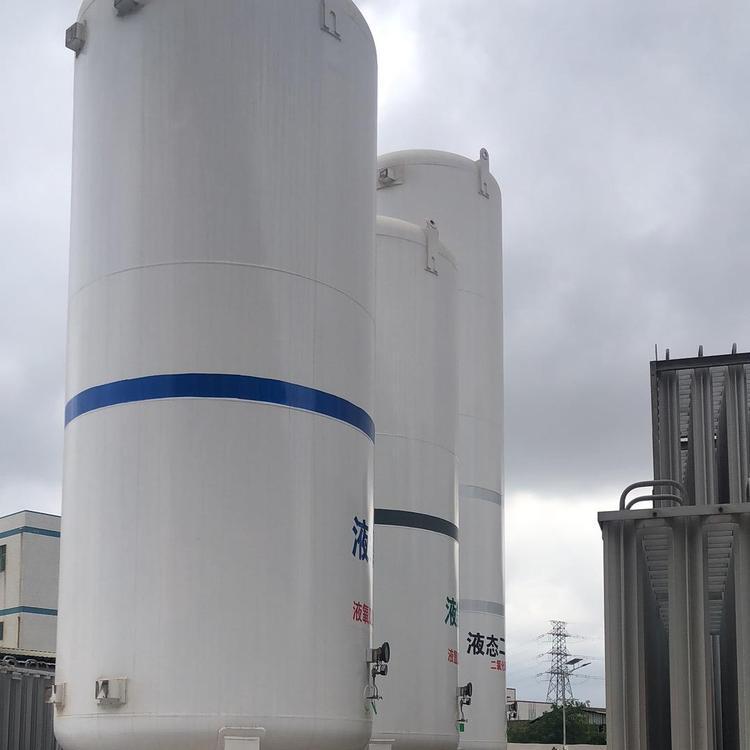
Prior to cooling the liquid oxygen tank, the following prerequisites must be met:
Ensure tank cleanliness: The interior of the tank must be free of impurities and contaminants. The tank should be properly cleaned and flushed to maintain its cleanliness.
Emptying and Exhausting: To empty the gas inside the tank and expel it through the exhaust system to reduce the gas content within the tank. This can minimize the interference of the gas on the cooling process.
Safety Precautions: Necessary safety measures must be taken before cooling the liquid oxygen tank. Liquid oxygen is highly flammable and has low-temperature characteristics. Operators should wear appropriate protective suits, gloves, and other personal protective equipment to ensure safe operation.
Temperature Control: During the cooling process of the liquid oxygen storage tank, it is necessary to regulate the tank's temperature. Typically, low-temperature mediums such as liquid nitrogen are used to cool the tank, ensuring the temperature is gradually reduced below the boiling point of liquid oxygen.
Insulation and Heat Retention: Liquid oxygen tanks are typically designed with double or multi-layer structures, filled with insulating material in between to minimize heat transfer and evaporation of liquid oxygen. Ensuring the integrity and good insulation of the insulating layer enhances the cooling efficiency of the tank.
Under the aforementioned preliminary conditions, the cooling operation of the liquid oxygen tank may proceed. The cooling process must strictly adhere to relevant safety regulations and operational guidelines to ensure the safe operation and use of the tank.
Shandong Zhongjie Special Equipment, welcome customers to visit our factory for business talks.
WeChat Official Account

Scan to follow Official Account




















