


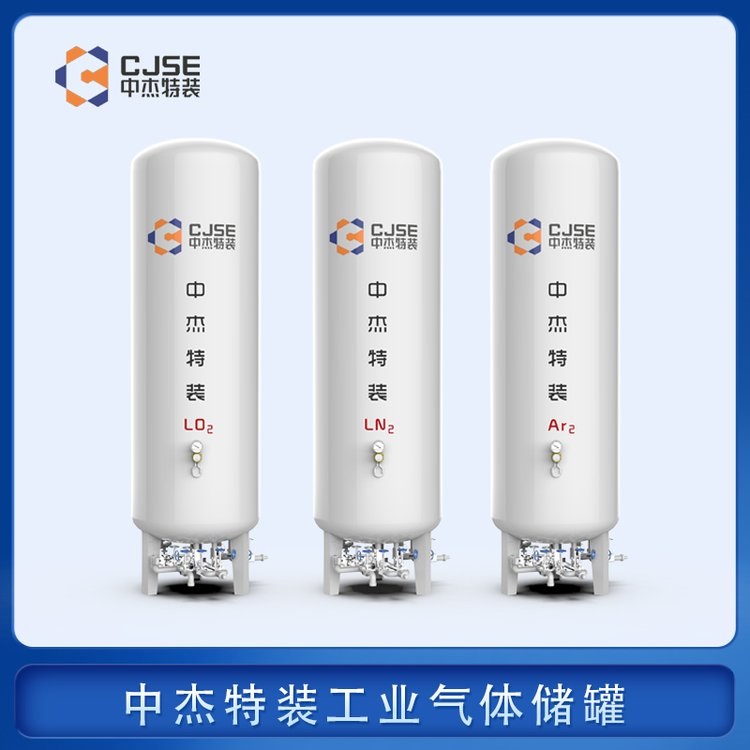



















Shandong Zhongjie Special Equipment's main products include: fuel (gas) boilers, organic heat carrier boilers, biomass boilers, waste heat boilers, and other boiler products; vacuum insulation cryogenic pressure vessels such as LNG tanks, oxygen/nitrogen/argon tanks, CO2 tanks; pressure vessel products like denitrification engineering equipment, heat storage and energy storage equipment, complete chemical equipment; central air conditioning and HVAC equipment such as ground (water) source heat pumps, air source units, water-cooled screw units, and air-cooled modular units. Planned products include large-scale energy centers, LNG transport vehicles, LNG tank containers, and other green energy equipment.
When conducting routine inspections of CO2 storage tanks, follow these steps:
外观检查:Inspect the tank for any obvious damage, corrosion, or oil leakage. Pay attention to any anomalies in the tank shell, valves, and pipeline connections.
Valve and Pipeline Inspection: Check the tank's inlet and outlet valves and pipeline connections for proper operation and for any signs of leakage or loosening. Ensure valves are operable and reliable.
Pressure Relief Device Inspection: Verify that the tank's pressure relief devices (e.g., safety valves) are functioning correctly. Confirm that the set pressure of the relief devices meets requirements.
Level Measurement System Inspection: Check the accuracy and reliability of the level measurement system. Calibrate the level sensors to ensure accurate level readings.
Pressure and Temperature Inspection: Check that the tank's pressure and temperature sensors are working properly. Verify the accuracy of pressure and temperature measurements.
Safety Equipment Inspection: Inspect the tank's safety equipment, such as safety valves, pressure sensors, and temperature sensors, for proper operation. Confirm that their set parameters meet requirements.
Fire Protection Equipment Inspection: Ensure that fire protection equipment around the tank is in good condition and check that fire extinguishers, sprinkler systems, etc., are operating correctly.
Liquid and Gas Quality Inspection: Ensure that the liquid and gas CO2 in the tank meets quality standards, free of impurities or contaminants.
Documentation and Reporting: Record the date of inspection, contents of the inspection, identified issues, and actions taken. Submit inspection reports to relevant departments or management as needed.
These are general steps for routine CO2 storage tank inspections. Specific procedures should be adapted to the tank's characteristics and requirements. When conducting inspections, follow relevant safety operating procedures and have trained personnel perform the operations.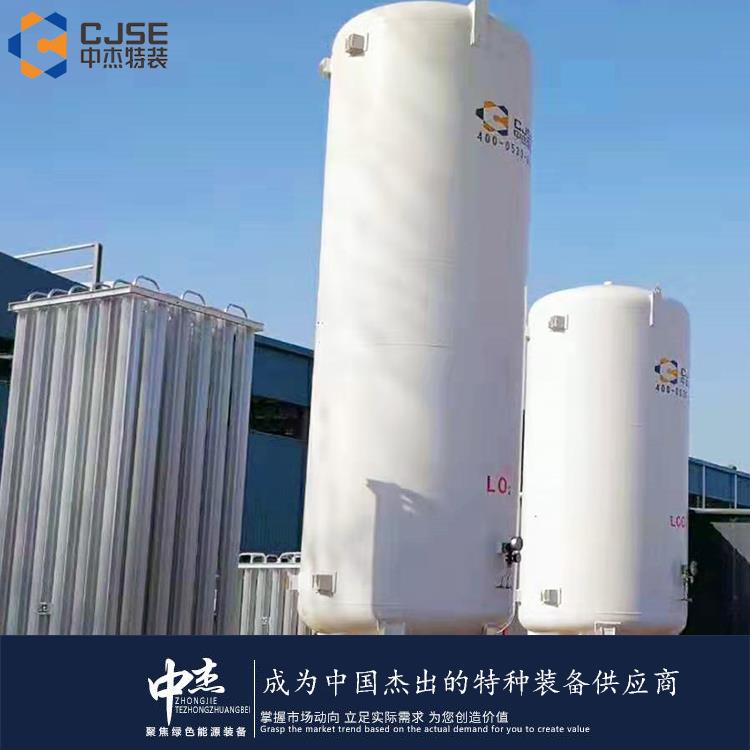
Before using a CO2 storage tank, certain inspection and filling points must be addressed. Here are some common precautions:
- Inspect the tank exterior: Check for any visible damage, corrosion, or leakage signs. Ensure the tank shell is intact.
- Inspect valves and fittings: Verify that the tank's valves and fittings are securely fastened with no leakage. Ensure proper operation.
- Check the pressure gauge: Confirm that the tank's pressure gauge is functioning correctly and readings are accurate. Replace or repair as needed.
- Inspect the level indicator: Ensure the tank's level indicator is working properly and accurately displays the level. Repair or replace if abnormal.
- Check the pressure relief device: Verify that the tank's pressure relief device (e.g., safety valve) is functioning correctly and the set pressure meets requirements. Repair or replace if abnormal.
- Inspect filling equipment: Check that the filling equipment (e.g., filling pipes, pumps) is operating correctly with no leakage or blockages. Ensure safety and reliability.
- Filling procedure: During the filling process, pay attention to the following:
- Control the filling speed to avoid too fast or too slow.
- Control the filling pressure to prevent exceeding the tank's rated pressure.
- Monitor the level to ensure proper filling.
- Regularly inspect filling equipment and valves to ensure they are working correctly.
- Safety measures: Adhere to relevant safety regulations and procedures during filling. Operators should wear appropriate protective gear, such as static-resistant clothing and gloves.
- Note that specific inspection and filling points may vary depending on the tank type and application. Before using a CO2 storage tank, inspect and operate according to relevant specifications and standards, and consult with experts to ensure safety and effectiveness.
Carbon dioxide storage tanks possess the following characteristics:
- High-pressure Vessel: Carbon dioxide storage tanks are typically designed as high-pressure vessels, capable of withstanding high pressures. This is because carbon dioxide requires high pressure at normal temperatures to remain in a liquid state.
- High Oxidizing Properties: Carbon dioxide has high oxidizing properties and can support combustion. Therefore, when using and storing carbon dioxide, precautions must be taken to prevent contact to avoid the risk of fire and explosion.
- Low-Temperature Storage: Carbon dioxide is in a gaseous state at normal temperatures but can be compressed into a liquid at lower temperatures. As such, carbon dioxide storage tanks usually need to have good insulation properties to maintain the low-temperature liquid state of the stored carbon dioxide.
- High Density: Liquid carbon dioxide has a high density, allowing for the storage of large amounts of carbon dioxide in a relatively small volume. This makes carbon dioxide storage tanks useful in scenarios requiring large supplies of carbon dioxide.
- Safety Valves and Pressure Control: To ensure the internal pressure of the tank remains within a safe range, carbon dioxide storage tanks are usually equipped with safety valves and pressure control devices. These devices monitor and control the internal pressure of the tank to prevent excessive pressure from causing the tank to burst.
- Corrosiveness: Carbon dioxide has some degree of corrosiveness, especially in high humidity environments. Therefore, the materials and corrosion prevention measures for the tanks need to consider the corrosiveness of carbon dioxide to ensure the tank's durability and safety.
These characteristics make carbon dioxide storage tanks widely applicable in many industries, such as the food and beverage industry, fire suppression, and the gas industry. When using carbon dioxide storage tanks, it is necessary to follow relevant safety operating procedures and standards to ensure operational safety.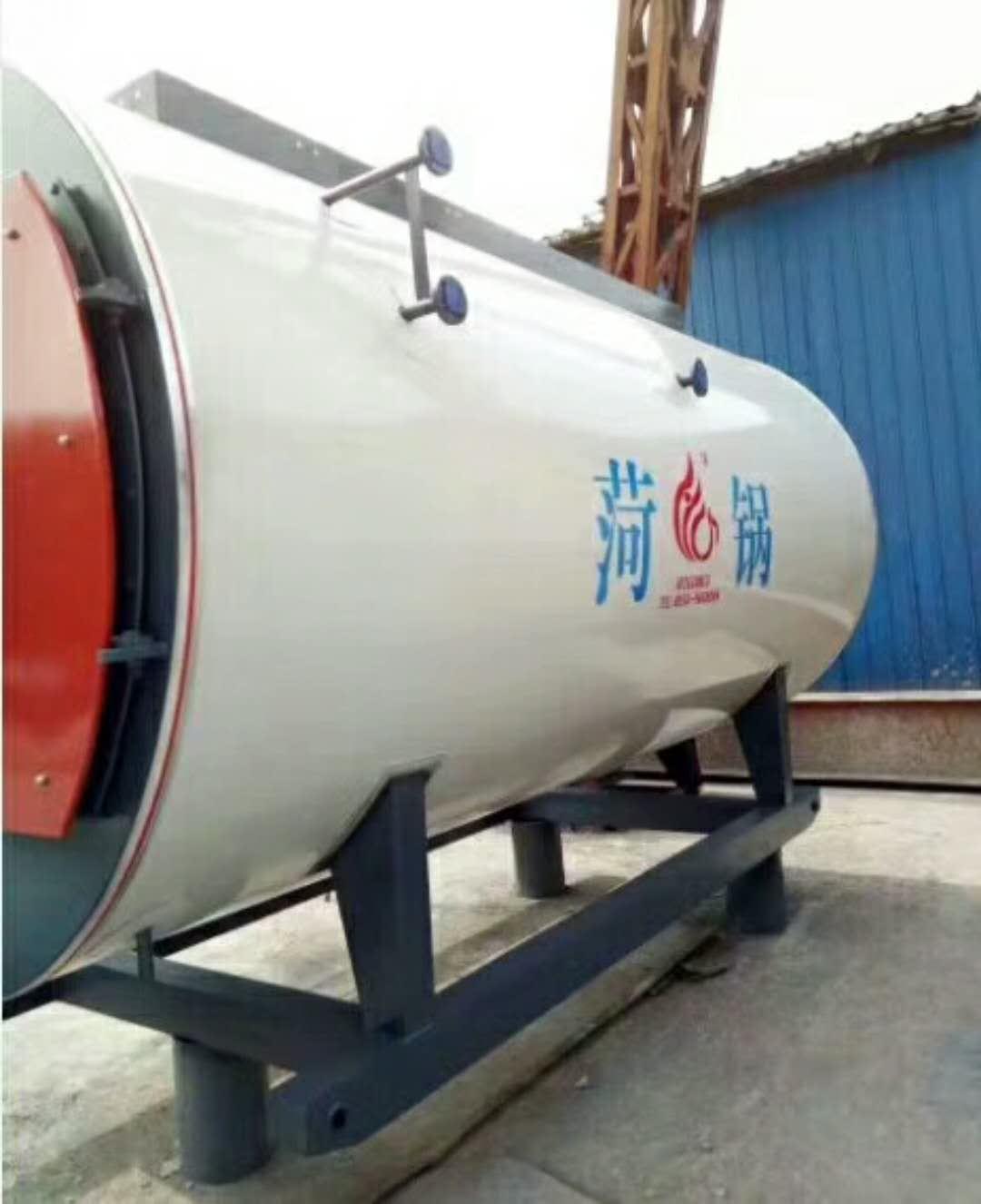
The reasons for not leaving a carbon dioxide tank idle for extended periods are primarily as follows:
1. Safety Risks: Carbon dioxide is a high-pressure gas that must maintain a certain pressure within the tank to remain in a liquid state. Releasing carbon dioxide from the tank into the atmosphere over a long period can lead to a decrease in tank pressure, potentially causing structural failure or explosions, posing safety hazards.
2. Resource Wastage: Carbon dioxide is a valuable resource with widespread applications in industry and other sectors. Keeping the carbon dioxide tank idle for long durations results in waste of resources, which is not in line with sustainable development principles.
3. Environmental Impact: Carbon dioxide is a greenhouse gas, and releasing it into the atmosphere over a long period increases its concentration, exacerbating climate change and environmental issues.
Therefore, to ensure safety, conserve resources, and protect the environment, carbon dioxide tanks should be used and managed according to specified procedures and requirements, avoiding extended idleness. When carbon dioxide in the tank is no longer needed, appropriate disposal methods should be employed, such as recycling, reuse, or safe discharge.
Shandong Zhongjie Special Equipment, welcome customers to visit our factory for business discussions.
WeChat Official Account

Scan to follow Official Account




















