


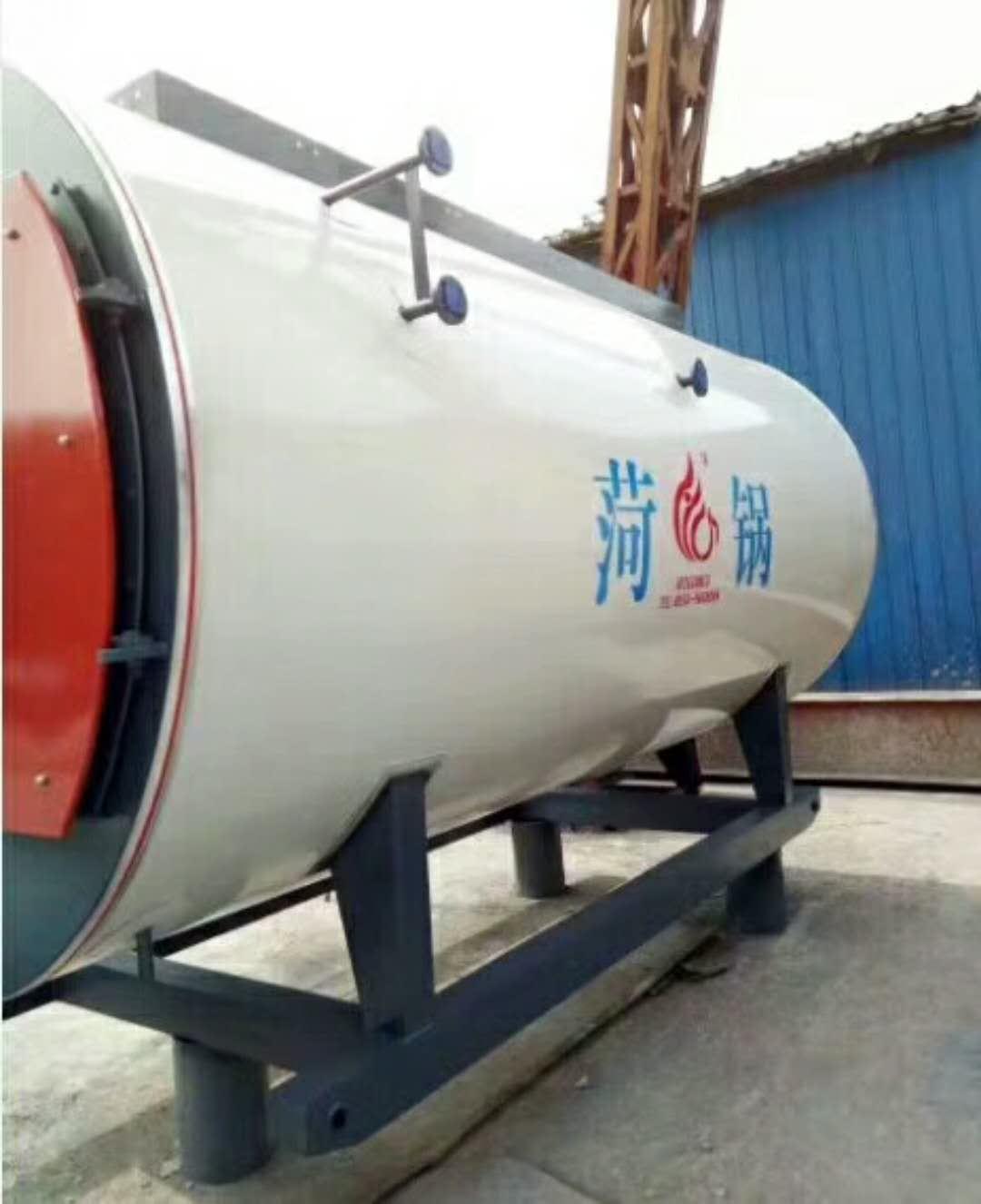


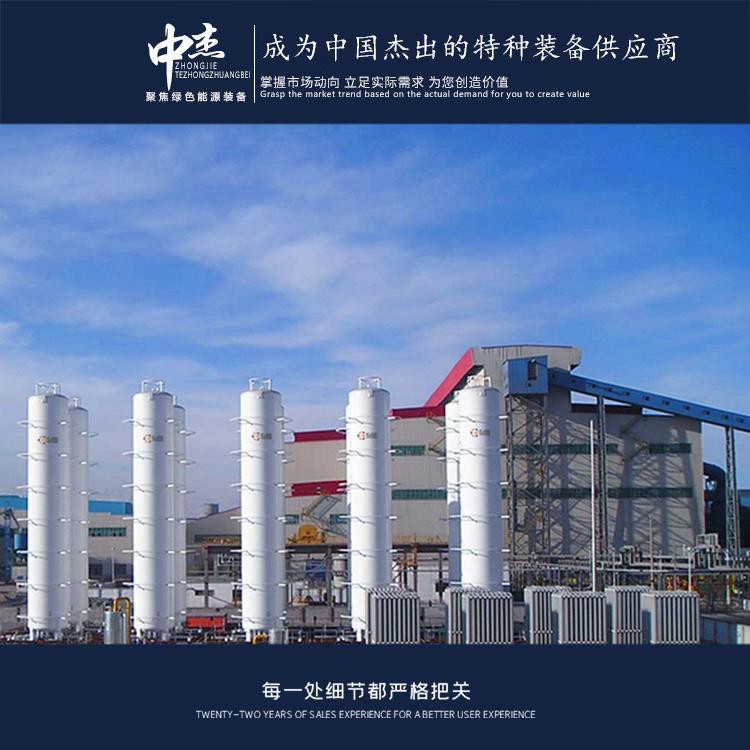



















Shandong Zhongjie Special Equipment's main products include: fuel (gas) boilers, organic heat carrier boilers, biomass boilers, waste heat boilers, and other boiler products; vacuum insulation cryogenic pressure vessels such as LNG tanks, oxygen/nitrogen/argon tanks, and CO2 tanks; pressure vessel products such as denitrification engineering equipment, heat storage and energy storage equipment, and complete chemical equipment; central air conditioning and HVAC equipment such as ground (water) source heat pumps, air source units, water-cooled screw units, and air-cooled modular units. Planned products include large-scale energy centers, LNG transport vehicles, LNG tank containers, and other green energy equipment.
Low-temperature CO2 storage tanks are equipment used for storing and transporting liquid CO2 (carbon dioxide) at low temperatures. Here is some information related to low-temperature CO2 storage tanks:
- Tank Structure: Low-temperature CO2 storage tanks typically have a double-walled design, with the inner wall for liquid CO2 storage and the outer wall for insulation. The interior is usually made of stainless steel or aluminum alloy, offering excellent corrosion resistance.
- Storage Temperature: The storage temperature of low-temperature CO2 storage tanks usually ranges from -40°C to -196°C, depending on specific application requirements. Temperature control is crucial to ensure the stability and safety of the liquid CO2.
- Storage Capacity: The capacity of low-temperature CO2 storage tanks can be chosen based on actual needs, ranging from a few thousand to tens of thousands of liters. Capacity selection should consider storage needs, supply frequency, and space limitations.
- Safety Protection: Low-temperature CO2 storage tanks must be equipped with safety protection devices, such as pressure relief valves (like safety valves), pressure sensors, and temperature sensors, to ensure that internal pressure and temperature remain within safe limits.
- Transportation Methods: Low-temperature CO2 storage tanks can be transported by road, rail, or ship. Appropriate insulation measures must be taken during transportation to maintain the low-temperature state of the liquid CO2 inside.
- Safe Operation: The operation of low-temperature CO2 storage tanks requires training and adherence to safety operation procedures. Operators should understand the tank's characteristics and safety precautions to ensure safe and effective operation.
- Regular Inspection and Maintenance: Low-temperature CO2 storage tanks require regular inspections and maintenance, including visual inspections, valve and pipeline checks, and pressure relief device checks. Regular maintenance ensures the tank operates normally and remains safe.
The above information covers some key aspects of low-temperature CO2 storage tanks. When using and operating these tanks, it is important to follow relevant safety specifications and standards and consult with experts to ensure safety and effectiveness.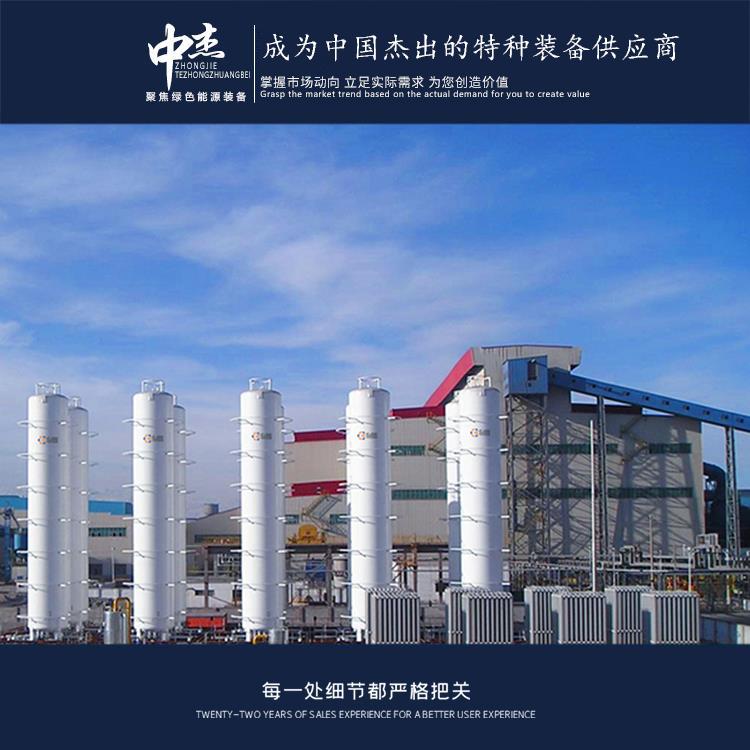
The installation of a safety valve on a CO2 storage tank is a crucial measure to ensure the tank can safely release pressure in the event of overpressure. Below are general installation steps:
Choose the appropriate safety valve: Select a safety valve that meets the tank's design pressure and flow requirements. Ensure the rated pressure and flow of the safety valve are in compliance with the tank's specifications.
Installation location: Select a suitable location for the safety valve, typically on the top or side of the tank. Make sure the safety valve can discharge pressure smoothly and is not obstructed by other equipment or structures.
Preparation: Clean the tank surface at the installation location to ensure there are no debris or dirt. Check the tightness of the safety valve and connecting pipes to ensure there are no damages or leaks.
Install the safety valve: Connect the safety valve to the tank using the appropriate fittings and sealing materials. Follow the installation instructions for the safety valve to ensure a secure and reliable connection with the tank.
Adjustment and testing: Adjust and test the safety valve according to its specifications and requirements. Ensure the safety valve operates normally within the set pressure range and can release pressure in a timely manner.
Identification and record: Mark relevant information on the safety valve and tank, such as the rated pressure and flow of the safety valve, installation date, etc. Record the installation process and test results for future reference and maintenance.
Please note that the installation of a CO2 storage tank safety valve must follow relevant safety operation procedures and standards. If you do not possess the necessary knowledge and experience, it is recommended to consult professionals or manufacturers for installation.
When filling liquid carbon dioxide tanks, attention should be given to the following aspects:
Safety Operation: During the filling process, it is mandatory to adhere to relevant safety operation procedures and standards. Operators must receive training to understand the operational requirements and safety measures of the filling equipment and operate strictly according to the procedures.
Tank Inspection: Before filling, a thorough inspection of the tank is required to ensure its integrity and safety. Check the tank's appearance, sealing, valves, and pipeline connections, and promptly repair or replace any abnormalities or damages.
Filling Equipment: Select appropriate filling equipment, ensuring it meets relevant standards and requirements. The filling equipment should have a safe and reliable design and operational function to ensure the safety and efficiency of the filling process.
Filling Rate Control: Controlling the filling rate is crucial. Excessive filling speed can lead to high tank pressure, increasing safety risks. The filling rate should be controlled according to the tank's capacity and design requirements to ensure safe filling.
Pressure Control: During the filling process, the tank's pressure must be strictly controlled. The filling equipment should be equipped with pressure sensors and safety valves to ensure the internal pressure of the tank remains within a safe range.
Leak Protection: During the filling process, ensure the tightness of valves and pipelines to prevent the leakage of carbon dioxide. Regularly inspect and replace seals, and promptly address any leakage issues.
Monitoring and Recording: Real-time monitoring and recording of key parameters such as pressure, temperature, and liquid level should be conducted during the filling process. This aids in the timely detection of abnormalities and corresponding adjustments or treatments.
It is important to note that filling carbon dioxide tanks should be carried out by trained personnel and in accordance with relevant safety operation procedures and standards. Seek advice and guidance from experts.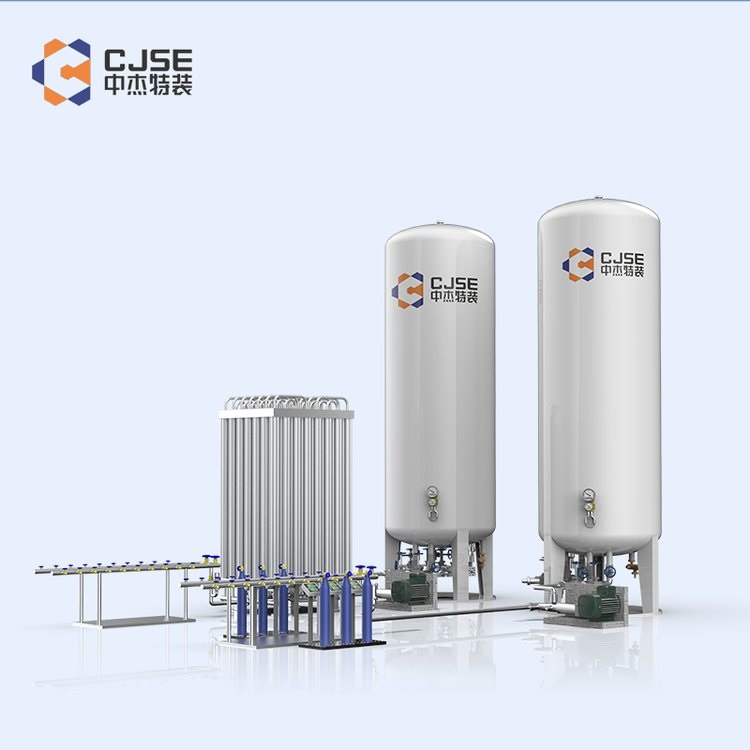
The reasons for not allowing long-term emptying of carbon dioxide tanks mainly include the following:
1. Safety Risks: Carbon dioxide is a high-pressure gas that must maintain a certain pressure within the tank to remain in a liquid state. Long-term release of carbon dioxide from the tank into the atmosphere can lead to a decrease in tank pressure, potentially causing structural failure or explosions, posing safety risks.
2. Resource Wastage: Carbon dioxide is a valuable resource with extensive applications in industry and other fields. Long-term emptying of carbon dioxide tanks results in resource waste, which is not in line with the principles of sustainable development.
3. Environmental Impact: Carbon dioxide is a greenhouse gas, and long-term emptying of carbon dioxide tanks can increase atmospheric carbon dioxide concentration, exacerbating climate change and environmental issues.
Therefore, to ensure safety, conserve resources, and protect the environment, carbon dioxide tanks should be used and managed according to specified procedures and requirements, avoiding long-term emptying. When carbon dioxide in the tank is no longer needed, appropriate disposal methods should be adopted, such as recycling, reuse, or safe discharge.
Our company attaches great importance to technological innovation and research and development. We have one municipal-level enterprise technology center in Heze City, equipped with testing facilities for non-destructive testing, physical and chemical testing, welding testing, hydrostatic testing, etc. We have over 600 types of equipment, including CNC machine tools, X-ray flaw detectors, digital ultrasonic flaw detectors, mechanical property testing machines, chemical analyzers, spectrometers, tensile testing machines, plasma welding machines, and more. The key products we have developed, such as temperature and pressure vessel welding, biomass boiler emission reduction, and waste heat utilization, have successively been selected for multiple Shandong Provincial Department of Industry and Information Technology science and technology projects, Shandong Provincial key projects, and Heze City innovation and excellence projects. We have accumulated 27 authorized utility models, 16 authorized inventions, participated in drafting 2 standards, 2 industry standards, and registered 15 trademarks. The technical team of our company, in collaboration with Professor Yajiang Li of Shandong University, has developed deep cryogenic container processing technology using the international plasma arc + filler wire tungsten inert gas arc welding (PAW-GTAW) technology. After the provincial-level scientific and technological achievement evaluation, the technology level has reached the international standard in the field of deep cryogenic container manufacturing. Choose Zhongjie Special Equipment, let's create brilliance together!
WeChat Official Account

Scan to follow Official Account




















