



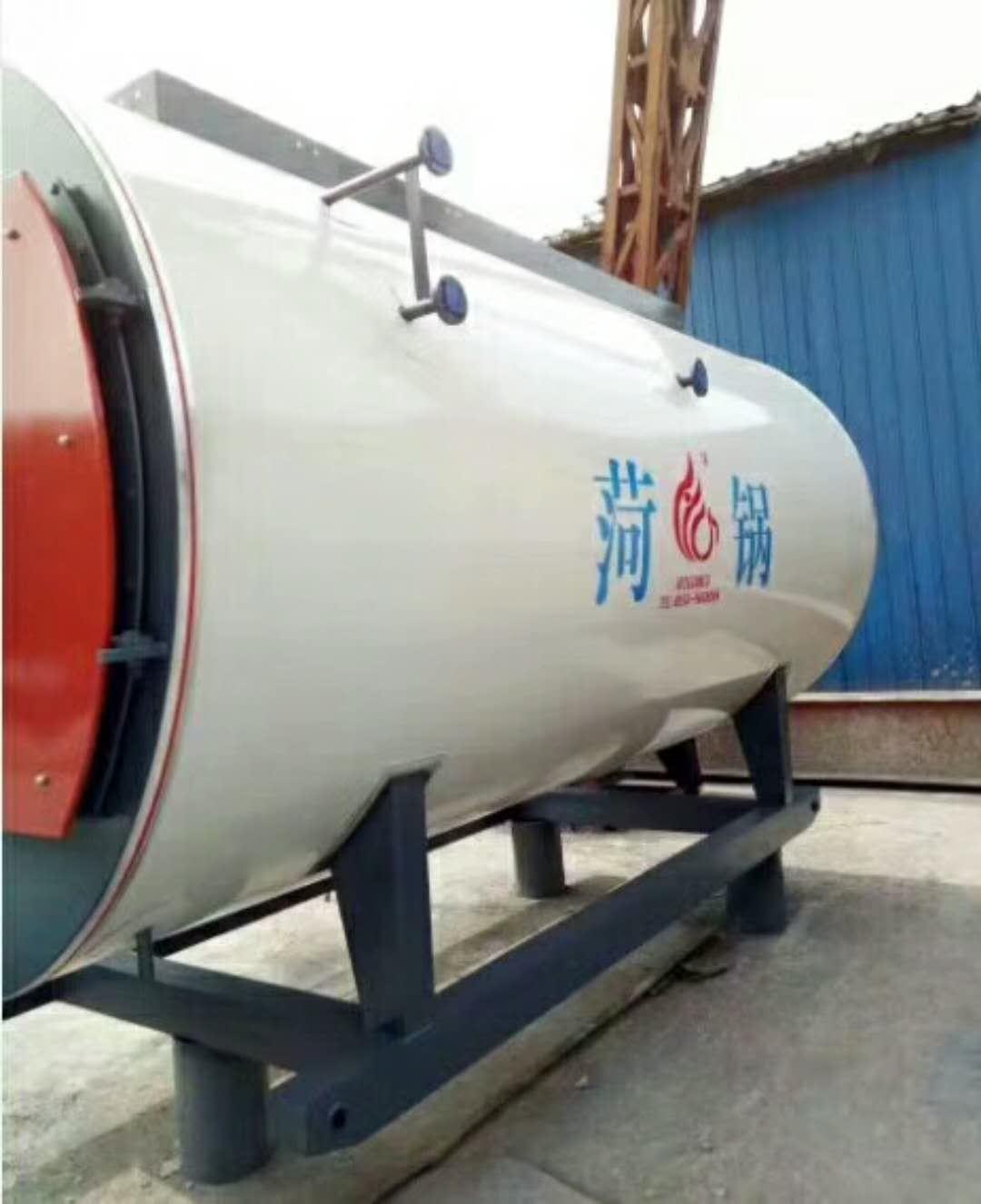



















Shandong Zhongjie Special Equipment Co., Ltd. specializes in: fuel (gas) boilers, organic heat carrier boilers, biomass boilers, waste heat recovery boilers, and other boiler products; vacuum insulation cryogenic pressure vessels such as LNG storage tanks, oxygen/nitrogen/argon storage tanks, CO2 storage tanks; pressure vessel products including denitrification engineering equipment, heat storage and energy storage equipment, and complete chemical equipment; central air conditioning and ventilation equipment such as ground (water) source heat pumps, air source units, water-cooled screw units, and air-cooled modular units. Planned products include large-scale energy centers, LNG transport vehicles, LNG tank containers, and other green energy equipment.
A gas heat transfer oil boiler is a device that uses gas as fuel to heat up heat transfer oil through the thermal energy produced by combustion. Here are some basic facts about gas heat transfer oil boilers:
Operating Principle: The working principle of a gas heat transfer oil boiler involves mixing gas with air, then burning it to produce high-temperature flue gas. This flue gas is then passed through flues and heat exchangers to exchange heat with the heat transfer oil, transferring thermal energy to the oil and causing it to rise in temperature. The heat transfer oil circulates within the boiler, transferring heat energy to the equipment or process that requires heating.
Heat Transfer Oil: The heat transfer oil used in gas heat transfer oil boilers is typically an organic heat carrier, such as mineral oil or synthetic oil. This oil has high thermal conductivity and stability, allowing it to operate stably at high temperatures and transfer heat energy to the heated equipment.
Gas Combustion System: Gas heat transfer oil boilers are equipped with a gas combustion system, which includes burners, gas supply systems, and control systems. The burners are responsible for mixing gas with air and burning it to produce heat. The gas supply system is responsible for providing gas and adjusting the supply as needed. The control system monitors and controls the combustion process to maintain stable operation.
Safety Protection Devices: Gas heat transfer oil boilers are equipped with various safety protection devices to ensure safe operation of the equipment. Common safety protection devices include overheat protection, overpressure protection, and water level protection, which monitor and control the boiler's operation to prevent equipment damage and accidents.
Application Areas: Gas heat transfer oil boilers are widely used in industrial sectors such as chemical processing, textiles, food processing, and papermaking. They can provide stable high temperatures for various applications.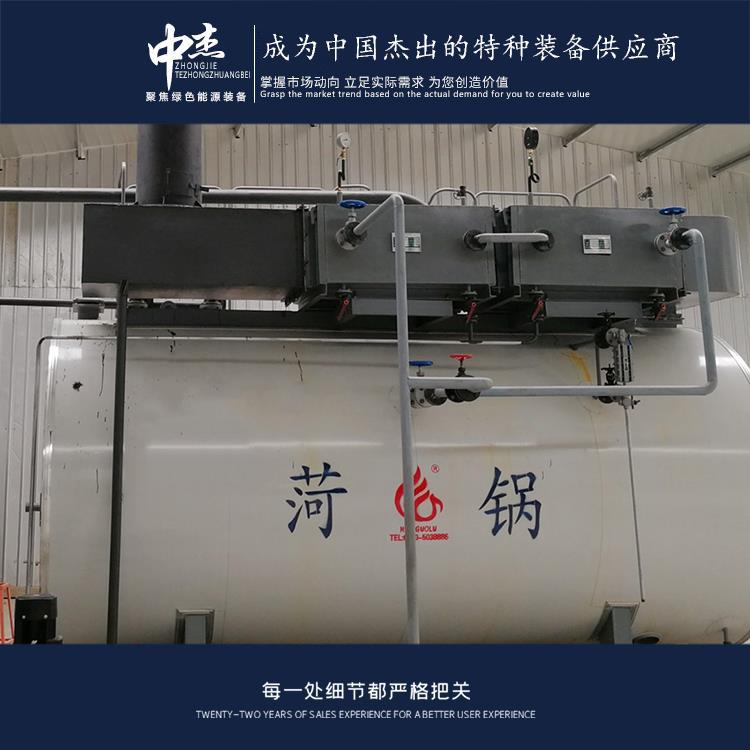
A condensing gas steam boiler is an energy-saving boiler equipment, with the following working principle and features:
Working Principle:
Steam Generation: The condensing gas steam boiler produces high-temperature flue gas by burning gas, which then exchanges heat with the water pipes inside the boiler, heating the water into steam.
Steam Condensation: After steam is generated, it enters the condenser where it exchanges heat with the condensing medium (usually cold water or recycled water), releasing heat from the steam and condensing it into water.
Flue Gas Reuse: The flue gas after condensation still contains a certain amount of heat, which can be recovered and reused through a flue gas reuse unit to improve the boiler's thermal efficiency.
Features:
Energy-saving: The condensing gas steam boiler utilizes the principle of steam condensation to fully utilize the heat in the steam, improving the efficiency of heat energy utilization and saving energy consumption.
Low Emissions: Due to the recovery of most of the heat during the flue gas condensation process, the flue gas temperature is lower, resulting in a relatively low emission of pollutants, minimizing environmental impact.
Compact Structure: The condensing gas steam boiler typically features a compact structural design, occupying less space, making it suitable for places with limited space.
Quick Start-up: The condensing gas steam boiler has the characteristics of quick start-up and shutdown, allowing for flexible adjustments and operation according to actual needs.
Wide Application Range: The condensing gas steam boiler is suitable for heating and steam needs in industrial production processes, such as power plants, chemical factories, textile mills, etc.
It should be noted that maintenance and regular maintenance are required for the condensing gas steam boiler during use to ensure its normal operation and performance, including cleaning the condenser and flue gas reuse unit.
Hot water boilers and steam boilers are two common types of boilers, differing in their working principles, application scenarios, and operating parameters:
Working Principle: Hot water boilers provide heat by heating water and then circulating it through the heating system. Steam boilers, on the other hand, generate steam by heating water and then transport it to the heating system.
Operating Temperature and Pressure: Hot water boilers typically operate at temperatures between 60°C and 100°C with lower pressure. Steam boilers usually operate at temperatures between 100°C and 200°C with higher pressure, generally between 0.7MPa and 2.5MPa.
Heating Method: Hot water boilers circulate hot water through the system using a pump, with heating primarily occurring through conduction and convection. Steam boilers transport steam through pipes to the heating system, with heating primarily occurring through steam conduction.
Application Scenarios: Hot water boilers are suitable for heating, bathing, swimming pool heating, and other scenarios where hot water is needed in industrial production. Steam boilers are used in industrial processes requiring steam, such as power plants, chemical factories, and textile mills.
Equipment Structure: Hot water boilers are generally simpler and smaller in structure, occupying less space. Steam boilers are typically more complex, larger in structure, and take up more space.
It's important to note that hot water and steam boilers may overlap in certain specialized applications, such as industrial processes that require both hot water and steam. Therefore, when selecting a boiler type, it's crucial to consider specific needs and application scenarios.
If the thermal oil furnace circulating pump encounters issues, follow these steps for troubleshooting:
1. Shutdown and Inspection: First, stop the thermal oil furnace and disconnect the power. Check for any obvious signs of failure in the pump, such as unusual noises, oil leaks, or leaks. Inspect the motor for proper operation and any abnormal heat generation.
2. Clean the Pump Body: If sediment or impurities are found in the pump body, clean them. Use appropriate tools and cleaning agents to remove dirt and obstructions from inside the pump. Ensure safe operation to avoid damaging the pump body.
3. Check Pump Connections: Inspect the pump's connections, including inlet and outlet pipes, valves, and seals. Ensure they are securely fastened, valves operate smoothly, and seals are intact. Repair or replace any loose or damaged parts promptly.
4. Inspect the Pump Motor: Check if the motor is operating normally and for any abnormal sounds or overheating. Inspect the power lines and control system of the motor to ensure normal power supply and correct control signals.
5. Check the Pump's Lubrication and Cooling System: Ensure the pump's lubrication and cooling systems are functioning properly. Check the supply of lubricating oil or grease, and the circulation and temperature control of cooling water or coolant.
6. Adjust Pump Parameters: Depending on the situation, you may need to adjust the pump parameters, such as flow rate and head. Adjust the pump speed or valve opening according to the equipment requirements and operating conditions to meet the thermal oil furnace's energy needs.
7. Seek Repair if Necessary: If the above steps do not resolve the issue or if more extensive repairs and inspections are needed, consider seeking repair services. Contact a repair technician or manufacturer's technical support for further troubleshooting and repairs.
It is crucial to prioritize safe operation and follow relevant operational procedures and safety requirements when dealing with thermal oil furnace circulating pump issues. If unsure about the process or if there are safety concerns, seek assistance promptly.
Shandong Zhongjie Special Equipment, welcome clients for factory negotiations and cooperation.
WeChat Official Account

Scan to follow Official Account




















