


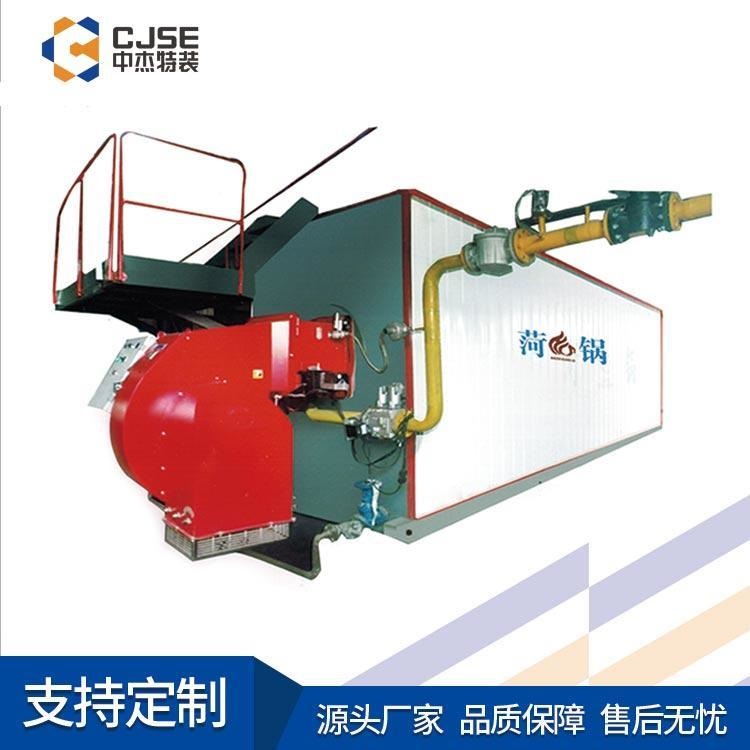

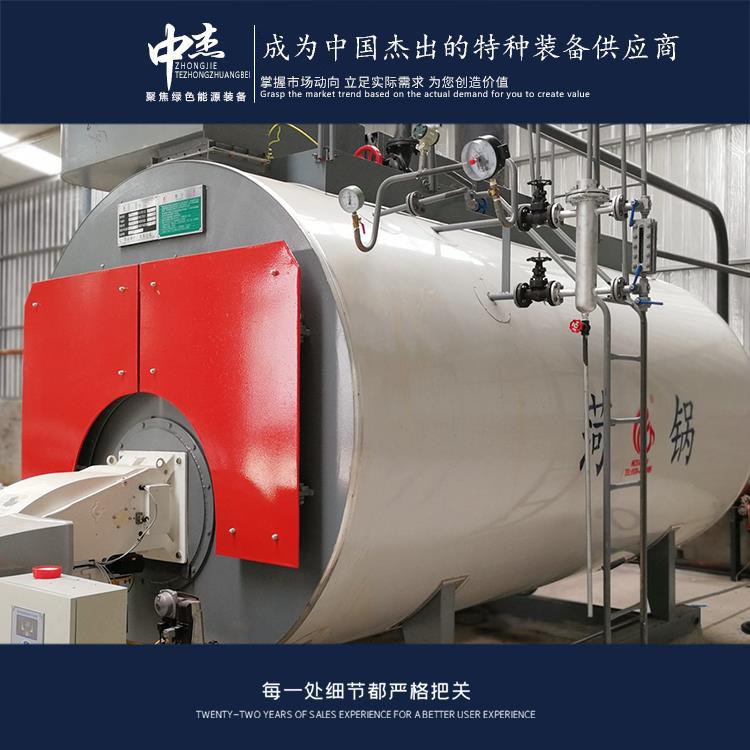



















Shandong Zhongjie Special Equipment's main products include: fuel (gas) boilers, organic heat carrier boilers, biomass boilers, waste heat recovery boilers, and other boiler products; vacuum insulation cryogenic pressure vessels such as LNG tanks, oxygen/nitrogen/argon tanks, and CO2 tanks; pressure vessel products such as denitrification engineering equipment, heat storage and energy storage equipment, and complete chemical equipment; central air conditioning and HVAC equipment such as ground (water) source heat pumps, air source units, water-cooled screw units, and air-cooled modular units. Planned products include large-scale energy centers, LNG transport vehicles, LNG tank containers, and other green energy equipment.
Chemical cleaning of industrial boilers is a common method that effectively removes dirt and sediments inside the boiler, enhancing heat exchange efficiency and extending the boiler's lifespan. Below are the general steps and methods for industrial boiler chemical cleaning:
Preparation: Turn off the boiler's power and gas supply, drain the water and steam from the boiler, and ensure the boiler is in a safe condition. Prepare the required chemical cleaning agents and cleaning equipment.
Cleaning Agent Selection: Choose a suitable chemical cleaning agent based on the boiler's material and the nature of the dirt. Common cleaning agents include acidic, alkaline, and chelating agents.
Cleaning Agent Circulation: Dissolve the cleaning agent in an appropriate amount of water and circulate it into the boiler using a pump. Determine the circulation time and temperature based on the boiler's size and the extent of dirt.
Cleaning Agent Action: During circulation, the cleaning agent reacts chemically with the dirt inside the boiler, dissolving and decomposing it. Acidic cleaning agents can remove rust and scale, while alkaline cleaning agents can remove grease and organic matter.
Rinsing and Neutralization: After the cleaning agent circulation is complete, rinse the boiler with clean water to flush out the cleaning agent and dissolved dirt. Simultaneously, use a neutralizing agent to neutralize any remaining acidic or alkaline substances, ensuring the boiler's neutrality.
Inspection and Maintenance: After cleaning, inspect the boiler to ensure the cleaning effect and normal operation. Perform necessary maintenance and upkeep as required.
Points to note when conducting industrial boiler chemical cleaning:
- Strictly follow the usage instructions and safety operating procedures for chemical cleaning agents to ensure the safety of operators.
- Select the appropriate cleaning agent and method based on the boiler's material and the cleaning agent's properties.
- Control the concentration, temperature, and circulation time of the cleaning agent to avoid unnecessary damage to the boiler.
- Monitor the concentration and pH value of the cleaning agent in a timely manner during the cleaning process and adjust the cleaning conditions.
- Flush the boiler after cleaning to ensure that all cleaning agents and dirt are completely removed.
- Perform boiler maintenance and upkeep promptly after cleaning to ensure normal operation and long-term use.
Before ignition, the preparation of a steam boiler involves the following steps:
- Clean the boiler: First, clean the internal and external dirt and impurities from the boiler. Remove ash, sediments, and dirt to ensure the efficiency of combustion and heat exchange.
- Check fuel supply: Inspect the fuel supply system to ensure a smooth fuel supply. Check the fuel storage, transmission pipelines, and filters, clearing blockages and replacing damaged parts.
- Inspect the burner: Check the operating condition and cleanliness of the burner. Clean the burner's nozzle and flame detector to ensure proper functioning.
- Check the gas system: For gas boilers, inspect the gas supply system. Check the gas pipelines, valves, and pressure regulators to ensure safe and stable gas supply.
- Check water level and pressure: Inspect the boiler's water level and pressure. Ensure the water level is within the normal range, and pressure is stable and meets requirements. Add water and adjust pressure if necessary.
- Check safety devices: Inspect the boiler's safety devices, such as safety valves, pressure switches, and water level controllers. Ensure these devices are functioning properly to ensure safe operation of the boiler.
- Prepare ignition tools: Prepare the tools and equipment needed for ignition, such as matchsticks, igniters, etc. Ensure these tools are working properly and have safe performance.
- When performing the above preparation tasks, follow relevant operational procedures and safety requirements to ensure the safety and effectiveness of the work. If unsure about the preparation process, consult with experts or the boiler manufacturer for advice.
To extend the service life of steam boilers, the following measures can be taken:
- Regular Maintenance: Conduct regular maintenance on the boiler, including cleaning the burner, flue, and heat exchanger, inspecting and replacing worn parts, to ensure normal operation and efficiency.
- Water Quality Control: Maintain good water quality in the boiler to prevent scale and corrosion from damaging the boiler. Regularly test water quality and take appropriate water treatment measures based on test results, such as descaling and replenishing missing chemicals.
- Control of Combustion Process: Properly control the combustion process to ensure the normal operation and efficiency of the burner. Regularly inspect the burner's working condition, adjust combustion parameters, and avoid overheating or underheating issues.
- Regular Cleaning of Flues and Heat Exchangers: Regularly clean the flues and heat exchangers to remove accumulated dust and dirt, maintain heat exchange efficiency, and avoid overheating and energy loss.
- Regular Inspection of Safety Devices: Regularly inspect the boiler's safety devices, including safety valves, pressure switches, and water level controllers, to ensure they are functioning properly and to ensure safe operation of the boiler.
- Record Keeping and Monitoring: Record the boiler's operating parameters, maintenance records, and fault situations, regularly monitor and analyze them, and address issues promptly.
- Operator Training: Ensure that operators have sufficient knowledge of boiler operation and maintenance, operate and maintain the boiler correctly, and avoid damage caused by operational errors and improper maintenance.
- Regular Repairs: Based on the boiler's usage and the manufacturer's recommendations, regularly perform major repairs and maintenance, replace worn-out parts, and extend the boiler's service life.
- Please note that for safety and effectiveness, maintenance and repairs should be carried out by qualified personnel.
When using a thermal oil furnace with gas, the following points should be noted:
- Safe Operation: A thermal oil furnace is a high-temperature equipment, and safety must be ensured during operation. Operators should be familiar with the operation procedures and safety precautions of the equipment, wear necessary personal protective equipment, and ensure safe operation.
- Gas Supply: A stable gas supply is required for a thermal oil furnace. Before use, check if the gas pipeline is clear, and the gas valve is open, to ensure normal gas supply.
- Thermal Oil Circulation: A thermal oil furnace needs to circulate thermal oil to the heat source equipment through a circulating pump. Before use, check the operation of the circulating pump to ensure it is functioning properly.
- Temperature Control: A thermal oil furnace usually requires a temperature control system to regulate the temperature of the thermal oil. Before use, check the settings and adjustments of the temperature control system to ensure accurate and reliable temperature control.
- Regular Maintenance: A thermal oil furnace needs regular maintenance and maintenance, including cleaning the burner, checking the tightness of the pipes and valves, replacing worn parts, etc. Regular maintenance can ensure the normal operation of the equipment and extend its service life.
- Environmental Protection: A thermal oil furnace produces exhaust gas during combustion, and exhaust emissions must be ensured. Appropriate exhaust gas treatment measures, such as flue gas purification equipment, can be taken to reduce environmental impact.
- The above are some precautions when using a thermal oil furnace with gas. To ensure safety and the normal operation of the equipment, it is recommended to follow relevant operation procedures and safety requirements, and to carry out regular maintenance and inspections. If necessary, consult the manufacturer or engineer of the thermal oil furnace for advice.
Zhongjie Special Equipment upholds the grand vision of "realizing employees' dreams, creating customer value, and striving for the prosperity and strength of our motherland," and is dedicated to the development of the green energy equipment industry. We commit to society with high-quality products and services at competitive prices!
WeChat Official Account

Scan to follow Official Account




















