



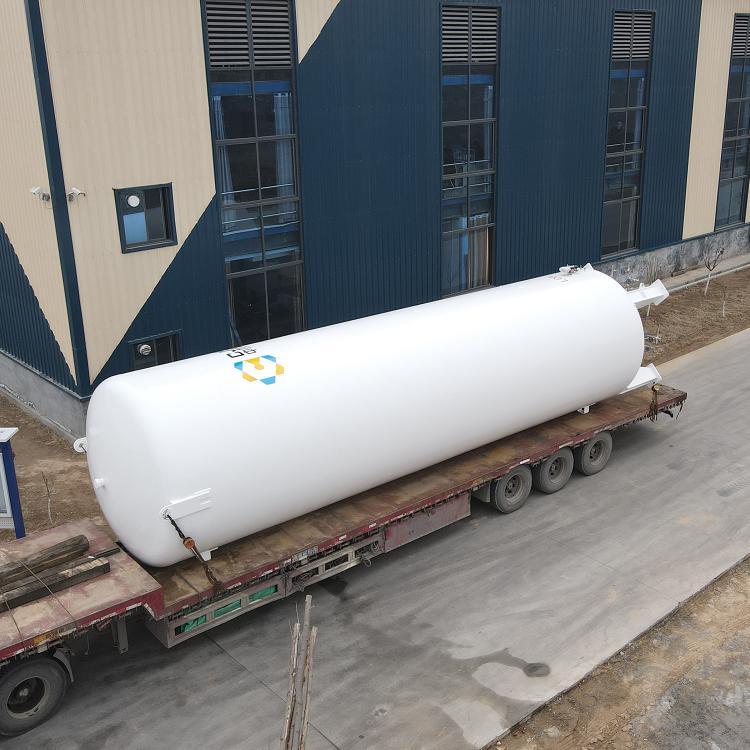



















Shandong Zhongjie Special Equipment (formerly Heze Boiler Factory Co., Ltd.) holds an A-grade boiler manufacturing license, an A2-grade pressure vessel manufacturing license, an A2-grade pressure vessel design license, a B-grade boiler installation license, and GB2/Class GC2 pressure pipeline installation licenses, as well as a mechanical and electrical equipment installation contracting qualification. It is a member of the China Boiler and Water Treatment Association, the China Chemical Equipment Association, and the理事 member of the Shandong Equipment Manufacturing Association. The company has also passed certifications for the ISO9001 Quality Management System, ISO14001 Environmental Management System, OHSAS18001 Occupational Health and Safety Management System, and the American ASME/U2 certification.
When handling CO2 storage tanks, static electricity is a safety issue that needs attention. Here are some methods to avoid static:
- Grounding: Ensure the tank and related equipment are properly grounded. Grounding releases static to the ground, reducing the likelihood of static buildup. Use specialized grounding devices and grounding wires to ensure reliable grounding.
- Static-Discharge Equipment: Use static-discharge equipment such as static-resistant clothing, shoes, and gloves. These devices help eliminate or reduce static buildup and protect the safety of operators.
- Avoid Friction: Prevent friction during operation, especially when in contact with flammable or combustible gases. Friction generates static, increasing the risk of fire or explosion.
- Control Humidity: Maintain an appropriate humidity level in the operating environment; higher humidity can reduce static generation and buildup. Use humidifiers or other humidity control devices to adjust the environmental humidity.
- Avoid Plastic or Rubber Materials: Plastic and rubber materials are prone to static buildup; try to avoid using these materials during operation. Choose materials with better antistatic properties for handling.
- Static Eliminators: Use static eliminators to eliminate or reduce static buildup. Static eliminators neutralize static by releasing charges, reducing the danger of static.
- Tank Cleaning: Regularly clean the interior of the tank to remove accumulated impurities and dirt. Be cautious to prevent static generation and buildup during the cleaning process.
Note that static avoidance methods should be determined based on the specific operating environment and tank characteristics. During operation, follow relevant safety regulations and standards, and consult with experts as needed.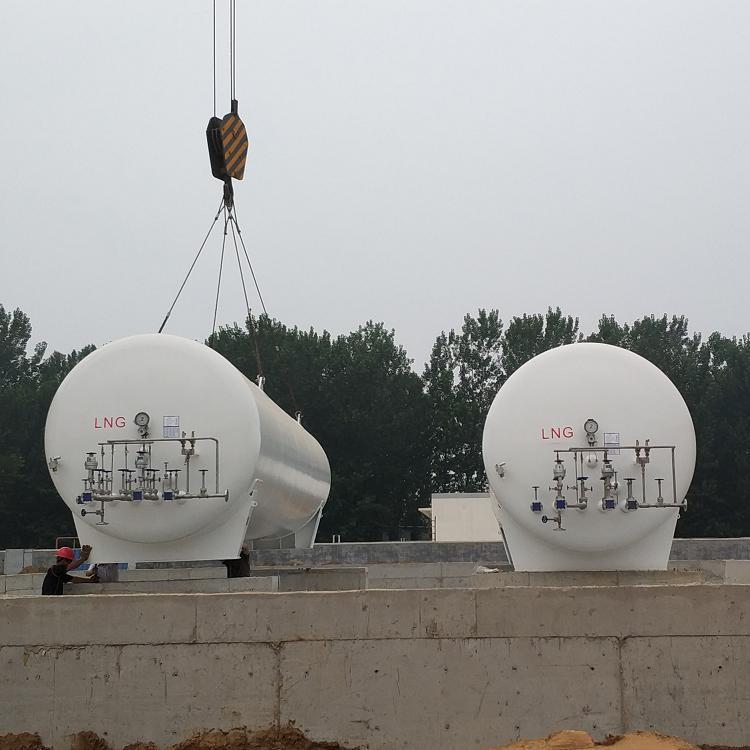
Low-temperature carbon dioxide storage tanks offer several advantages:
- Low-temperature storage capability: These tanks can store carbon dioxide at low temperatures, typically between -40°C to -70°C. This low-temperature storage allows carbon dioxide to be stored in a liquid state, significantly reducing the space required for storage.
- High storage density: Due to carbon dioxide being stored in a liquid state at low temperatures, its storage density is relatively high. Compared to gaseous storage, liquid storage can hold more carbon dioxide in a smaller tank, enhancing storage efficiency.
- Environmental friendly and renewable: Carbon dioxide is an environmentally friendly gas, with minimal harmful emissions during storage and use. Additionally, carbon dioxide can be reused through capture and recycling technologies, reducing environmental impact.
- High safety: Low-temperature carbon dioxide storage tanks are made from high-strength materials with good sealing and corrosion resistance. They are equipped with safety valves and pressure relief devices to effectively control internal pressure and temperature, ensuring safe storage.
- Wide application: These tanks are widely used in various industries such as food and beverage, pharmaceutical, and chemical industries. They can be used for frozen food, refrigeration equipment, and gas supply, meeting diverse needs.
In summary, low-temperature carbon dioxide storage tanks provide low-temperature storage, high storage density, environmental friendliness, renewability, high safety, and wide application. These benefits make them an essential equipment for storing and using carbon dioxide in many industries.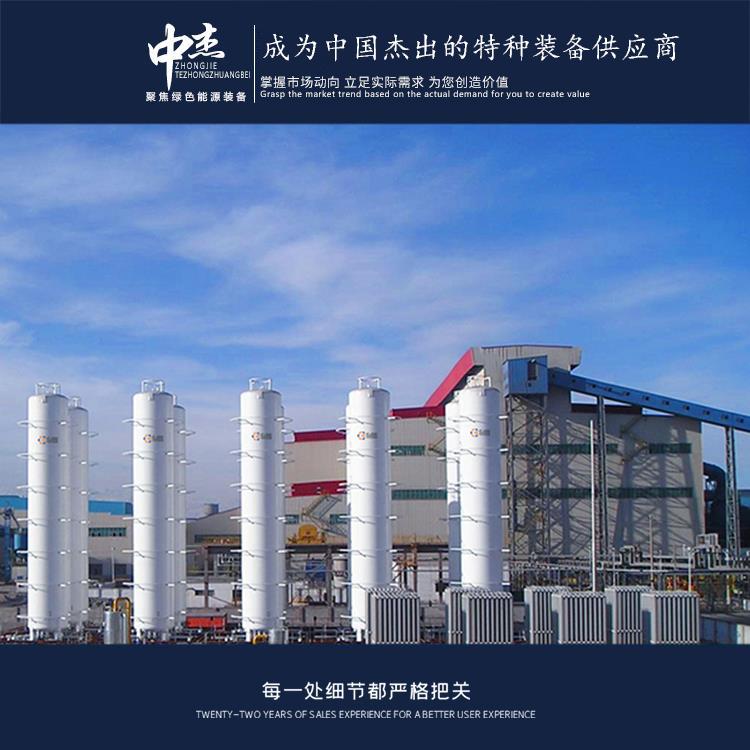
Key features of carbon dioxide storage tanks primarily include the following aspects: High storage density: Carbon dioxide storage tanks can compress carbon dioxide gas into a liquid state, significantly increasing storage density. Compared to storing in gas form, liquid carbon dioxide can store more carbon dioxide in relatively smaller tanks, saving space and costs. Stable storage and supply: Carbon dioxide storage tanks can stably store and supply carbon dioxide. Through tank design and control systems, precise measurement and supply of carbon dioxide can be achieved, meeting various industrial and application needs. Environmental and renewable: Carbon dioxide is an environmentally friendly gas, and its increased concentration in the atmosphere can lead to warming and climate change. By storing and utilizing carbon dioxide, the amount emitted into the atmosphere can be reduced, promoting environmental protection and sustainable development. Safe and reliable: During design and manufacturing, carbon dioxide storage tanks typically use high-strength materials (such as carbon steel or stainless steel) with excellent pressure resistance and safety. The tanks are usually equipped with safety valves, pressure gauges, level indicators, and other accessories to ensure safe operation. Additionally, carbon dioxide is a non-flammable and non-explosive gas, making it relatively safe. Wide range of applications: Carbon dioxide storage tanks are widely used in various fields, including food and beverage industry, fire suppression, gas supply, etc. Carbon dioxide can be used as a preservative, carbonation agent, gas, and fire extinguisher, with extensive applications and market demand. In summary, the key features of carbon dioxide storage tanks include high storage density, stable storage and supply, environmental friendliness, reliability, and a wide range of applications. This makes carbon dioxide storage tanks an important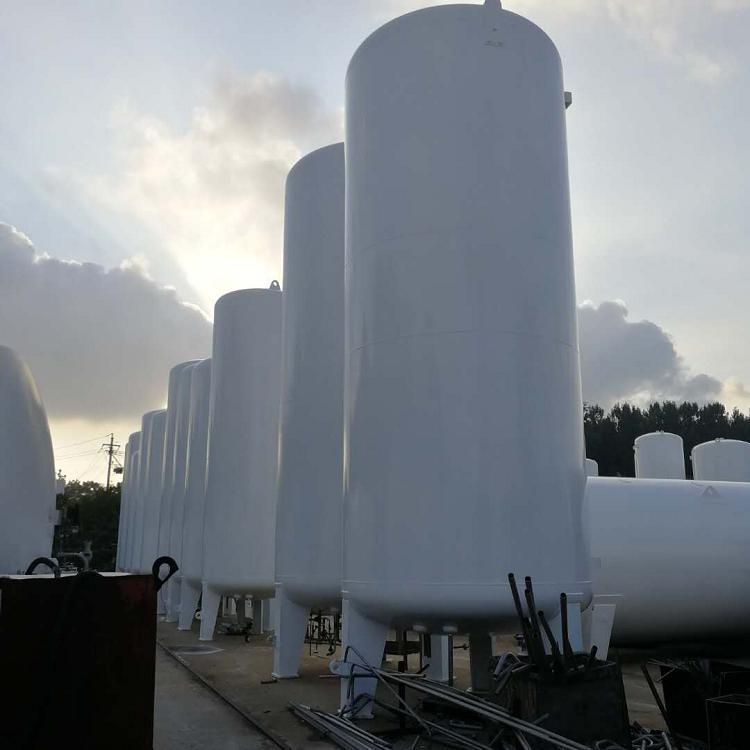
Daily inspections and maintenance of CO2 storage tanks can be conducted following these steps:
- **Visual Inspection**: Check for any visible damage, corrosion, or oil leakage on the tank's exterior. Pay attention to any abnormalities in the tank shell, valves, and pipe connections.
- **Internal Inspection**: If access to the interior is permitted, conduct an internal inspection. Look for corrosion, scale, or blockages in the lining, valves, and pipes.
- **Valve and Pipe Inspection**: Verify that the tank's inlet and outlet valves and pipe connections are functioning normally, with no leaks or loose fittings. Ensure valves operate smoothly and reliably.
- **Pressure Relief Device Inspection**: Check that the tank's pressure relief devices (such as safety valves) are functioning correctly. Confirm that the set pressure of the relief devices meets requirements.
- **Measurement and Control System Inspection**: Ensure the tank's level, pressure, and temperature measurement and control systems are operating properly. Calibrate and test the accuracy of measuring equipment.
- **Cleaning and Draining**: Regularly clean the interior of the tank, removing accumulated impurities and sediments. Also, periodically drain the tank to remove liquid and gas impurities.
- **Maintenance and Repair**: Perform necessary maintenance and repair work based on inspection results. Repair damaged components, replace worn-out seals, etc., to ensure normal tank operation.
- **Documentation and Reporting**: Document the inspection and maintenance process, including the date of inspection, contents of the inspection, identified issues, and measures taken. Submit inspection reports to relevant departments or management as needed.
- The above are general steps for daily inspections and maintenance of CO2 storage tanks. Specific operations should be tailored to the tank's characteristics and requirements. When conducting inspections and maintenance, follow relevant safety operating procedures and have personnel operate them.
Shandong Zhongjie Special Equipment, welcome customers to visit our factory for cooperation discussions.
WeChat Official Account

Scan to follow Official Account




















