


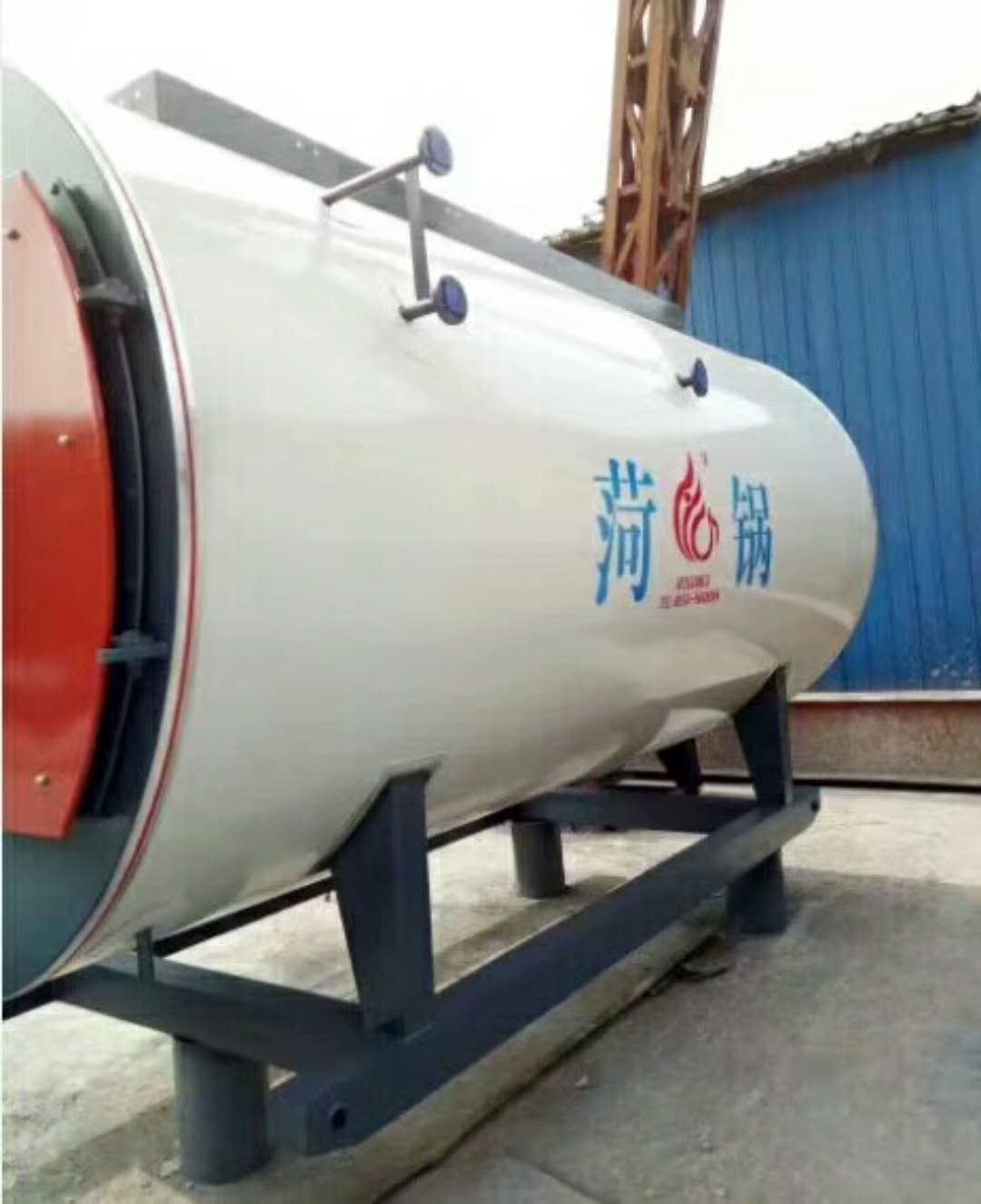


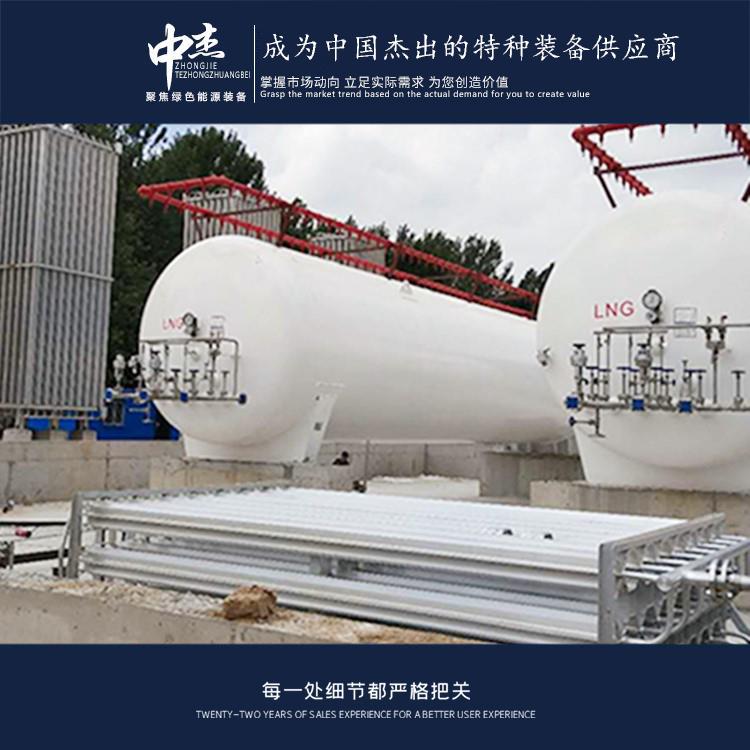



















Shandong Zhongjie Special Equipment Co., Ltd. specializes in: fuel (gas) boilers, organic heat carrier boilers, biomass boilers, waste heat boilers, and other boiler products; vacuum insulation cryogenic pressure vessels such as LNG tanks, oxygen/nitrogen/argon tanks, and CO2 tanks; pressure vessel products including denitrification engineering equipment, heat storage and energy storage equipment, and complete chemical equipment sets; central air conditioning and ventilation equipment such as ground (water) source heat pumps, air source units, water-cooled screw units, and air-cooled modules. Planned products include large-scale thermal energy centers, LNG transport vehicles, LNG tank containers, and other green energy equipment.
Liquid oxygen storage tanks are widely used in various industries, primarily in the following aspects:
Industry: Liquid Oxygen Tanks are widely used in various fields for storing and supplying liquid oxygen as fuel and oxidizer. Liquid Oxygen Tanks play a crucial role in engine, propulsion systems, and oxygen supply systems.
Chemical Industry: Liquid oxygen tanks are used in chemical processes for storing and supplying liquid oxygen, for applications such as oxidation reactions, combustion reactions, and oxygen supply. Refineries, chemical plants, and manufacturers of chemical products are among the facilities that may use liquid oxygen tanks.
Industry: Liquid Oxygen Tanks are used in the field for storing and supplying liquid oxygen, employed in oxygen therapy, respiratory support, and surgeries, etc. Liquid Oxygen Tanks are widely used in clinics, nursing homes, and other institutions.
Experimental Research: Liquid Oxygen Tanks are used in scientific research and laboratories to provide liquid oxygen as experimental materials and fuel. Liquid Oxygen Tanks play a crucial role in experimental research across various fields, including physics, chemistry, biology, and materials science.
Metalworking Industry: Liquid oxygen tanks are used in the metalworking and welding industries to provide high-purity oxygen for processes such as metal cutting, welding, and heat treatment.
Other Industries: Liquid Oxygen Storage Tanks are also applied in various other industries such as the energy, environmental protection, and food industries. They are used in energy production, environmental management, and food processing, among other fields.
It's important to note that the use of liquid oxygen tanks must strictly adhere to relevant safety regulations and operating guidelines to ensure safe operation and usage.
During the operation of low-temperature liquid storage tanks, the following points should be noted:
Protective Gear: When handling low-temperature liquid storage tanks, it is mandatory to wear appropriate protective gear, including gloves, protective clothing, and non-slip shoes. This equipment safeguards the skin from injuries caused by low-temperature liquids.
Avoid direct contact: Low-temperature liquids can be cold, which may cause chilling. Therefore, avoid direct contact with low-temperature liquids, especially with the skin. Use tools or equipment for handling, to prevent direct hand contact with low-temperature liquids.
Ventilation Requirements: In the operational area of low-temperature liquid storage tanks, adequate ventilation must be maintained to expel gases produced by the evaporation of low-temperature liquids. Ensure air circulation to avoid excessive oxygen concentration and reduce the risk of fire and explosion.
Prevent Leaks: Regularly inspect low-temperature liquid storage tanks for leaks and equip with leak detection and alarm systems. In case of a leak, take immediate action to control and repair it. Avoid hazards to personnel and the environment caused by the leakage of low-temperature liquids.
Fire Prevention Measures: Low-temperature liquids have low boiling and freezing points, which are prone to cause fires. To prevent and contain fires, fire barriers should be set up around low-temperature liquid storage tanks, and fire-retardant coatings should be used.
Static protection: Handling low-temperature liquids may generate static electricity, increasing the risk of sparks causing fires. Measures such as using static-conductive materials and anti-static equipment should be taken to reduce the accumulation and release of static electricity.
Regular Inspections and Maintenance: Conduct regular checks on the condition of low-temperature liquid storage tanks and associated equipment, including valves, pipes, pressure gauges, etc. Ensure the equipment is in perfect condition, and promptly repair or replace any damaged parts.
Waste Gas Treatment: During the process of using low-temperature liquids, waste gas is produced, and appropriate waste gas treatment measures must be taken to minimize environmental impact.
Above are the precautions to be taken when using low-temperature liquid storage tanks, ensuring operational safety and the normal operation of the tank. During operation, strict adherence to relevant operational procedures and safety operation requirements should be maintained.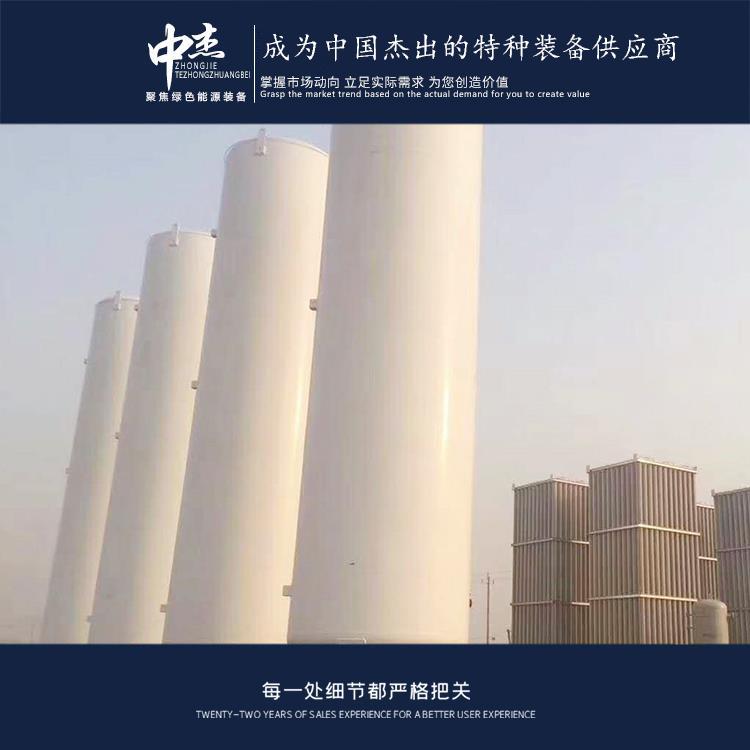
Carbon dioxide tanks and liquid oxygen tanks are containers used for storing different gases; they have some distinct physical properties:
Physical State: Carbon dioxide is a gas at room temperature and pressure, and it needs to be at low temperatures and high pressures to convert to a liquid state. Liquid oxygen is a liquid at room temperature, and it needs to be at low temperatures to convert to a solid state.
Boiling and Freezing Points: The boiling point of carbon dioxide is -78.5°C, with a freezing point at -56.6°C. The boiling point of liquid oxygen is -183°C, and its freezing point is -218.8°C. The boiling and freezing points of liquid oxygen are significantly lower than those of carbon dioxide.
Density: Liquid oxygen has a high density, approximately 1.14 grams per cubic centimeter. Carbon dioxide has a lower density, about 0.00198 grams per cubic centimeter. The density of liquid oxygen is about 570 times that of carbon dioxide.
Pressure: Liquid oxygen has a higher pressure, typically ranging from tens to hundreds of MPa (Megapascals). Carbon dioxide has a lower pressure, usually within a few MPa (Megapascals).
Safety: Liquid oxygen contains a high oxygen content, which is prone to cause fires and explosions. Carbon dioxide also poses asphyxiation and suffocation risks at certain concentrations.
Note that carbon dioxide and liquid oxygen are highly flammable and explosive substances. Strict adherence to relevant safety operating procedures and standards, as well as necessary safety measures, is required for storage and use to ensure the safety and stability of storage tanks.
Proper placement of liquid oxygen tanks is a crucial measure to ensure they pose no danger to the surrounding environment and personnel during use. The following are the safety requirements for the placement of liquid oxygen tanks:
Safety Distance: Liquid oxygen storage tanks should maintain a certain distance from other buildings and equipment. This is to ensure effective control and minimize the impact on the surrounding environment in the event of a tank leak or fire.
Fire and explosion prevention measures: Liquid oxygen tanks should be placed in fireproof areas, away from open flames, high-temperature sources, and flammable materials. The surrounding area should be equipped with fire and explosion prevention facilities, such as fire extinguishers, foam sprinkler systems, etc., to address potential fire risks.
Level placement: Liquid oxygen tanks should be placed on a sturdy, flat foundation to ensure stability. The bottom of the tank should make full contact with the ground to prevent the tank from tilting or rocking.
Ventilation Requirements: Liquid oxygen tanks should be placed in well-ventilated areas to ensure the normal circulation of gas emissions and oxygen supply. There should be no obstructions around the tanks that hinder gas flow.
Labeling and Warning: Oxygen Liquid Storage Tanks should be clearly labeled with information such as the storage medium, capacity, pressure, etc. Warning signs and safety warning labels should be posted in the surrounding area to alert personnel of the presence and potential hazards of the oxygen liquid tank.
Regular inspections and maintenance: Liquid oxygen tanks should be regularly inspected and maintained, including checking the tank's appearance, seal integrity, and corrosion prevention measures. Any issues found should be promptly repaired or replaced to ensure proper operation and safety.
It's important to note that the safety requirements for the placement of liquid oxygen tanks may vary depending on different regions and industries. When positioning liquid oxygen tanks, adhere to relevant regulations, standards, and safety procedures, and establish appropriate safety measures based on the specific situation. If you're unfamiliar with or have doubts about the safety placement requirements, it's recommended to consult with experts or relevant organizations for guidance.
Shandong Zhongjie Special Equipment, welcome customers to visit our factory for business discussions.
WeChat Official Account

Scan to follow Official Account




















