




















Shandong Zhongjie Special Equipment (formerly Heze Boiler Factory Co., Ltd.) was established in 2001, located at No. 2218 Jinnan Road, Development Zone, Heze City. With a registered capital of 50 million yuan and total assets of 500 million yuan, the company has 7 business centers: boilers, deep-freezing containers, pressure vessels, central air conditioning, engineering installation, international trade, and Internet of Things. It has three factory sites on Jinnan Road, East Changjiang Road, and Bohai Road, covering a total of 200,000 square meters, with the main workshop spanning 83,000 square meters. It currently employs 710 people, including 247 engineers and technicians, and 82 intermediate-level technicians. In December 2016, it was recognized as a "High-Tech Enterprise" by the Science and Technology Department. In June 2021, it was identified as a "Specialized and New Enterprise in Shandong Province" by the Ministry of Industry and Information Technology. In June 2022, it was recognized as a "Gazelle Enterprise in Shandong Province" and in August 2022, as a "Specialized and New Small Giant Enterprise" by the Ministry of Industry and Information Technology.
Low-temperature CO2 storage tanks are equipment used for storing and transporting low-temperature liquid CO2 (CO2). Here are some key points related to low-temperature CO2 storage tanks:
Tank Structure: These tanks typically feature a double-walled design, with the inner wall for storing liquid CO2 and the outer wall for insulation. The interior is usually made of stainless steel or aluminum alloy, offering excellent corrosion resistance.
Storage Temperature: The storage temperature of low-temperature CO2 storage tanks usually ranges from -40°C to -196°C, depending on specific application requirements. Temperature control is crucial to ensure the stability and safety of the liquid CO2.
Storage Capacity: The capacity of low-temperature CO2 storage tanks can be selected based on actual needs, usually ranging from a few thousand to tens of thousands of liters. The capacity selection should consider storage requirements, supply frequency, and spatial constraints.
Safety Protection: Low-temperature CO2 storage tanks require safety protection devices, such as pressure relief valves, pressure sensors, and temperature sensors, to ensure internal pressure and temperature remain within safe limits.
Transportation Methods: These tanks can be transported via road, rail, or ship. Proper insulation measures must be taken during transportation to maintain the low-temperature state of the liquid CO2 inside.
Safe Operation: The operation of low-temperature CO2 storage tanks requires training and adherence to relevant safety procedures. Operators should be familiar with the tank's characteristics and safety precautions to ensure safe and effective operation.
Regular Inspections and Maintenance: Low-temperature CO2 storage tanks need regular inspections and maintenance, including visual inspections, valve and pipeline checks, and pressure relief device checks. Regular maintenance ensures the tank's normal operation and safety.
The above points provide some knowledge related to low-temperature CO2 storage tanks. When using and operating these tanks, it is essential to follow relevant safety regulations and standards, and consult experts to ensure safety and effectiveness.
To maintain the stability of CO2 storage tanks, attention should be given to the following details:
- Foundation Design: The tank's foundation design must comply with relevant standards and regulations, featuring sufficient strength and stability. The foundation should consider the tank's weight, pressure, and geological conditions, ensuring the tank is securely placed on the foundation.
- Cushioning and Fastening Devices: Place appropriate cushioning materials, such as rubber pads or steel plates, between the tank and the foundation to reduce friction and vibration. Additionally, use fastening devices like bolts or welding to secure the tank to the foundation, preventing movement and tilting.
- Site Leveling: The installation site must be level, without any significant slopes or unevenness. If there are slopes or uneven areas, adjustments and corrections should be made to ensure tank stability.
- Seismic Measures: In earthquake-prone areas, additional seismic measures are required, such as setting up seismic supports and enhancing the tank's seismic resistance, to improve stability.
- Regular Inspections: Conduct regular inspections of the tank's fastening devices and connection points to ensure they are intact. Any signs of loosening, wear, or damage should be promptly repaired or replaced.
- Load Distribution: Place evenly distributed loads above the tank, such as platforms or pipelines, to balance the weight distribution and reduce the impact of uneven loads on stability.
- Safety Distance: The tank should maintain sufficient safety distance from other equipment, buildings, and fire sources to prevent accidental collisions or fires from affecting stability.
It should be noted that the installation of CO2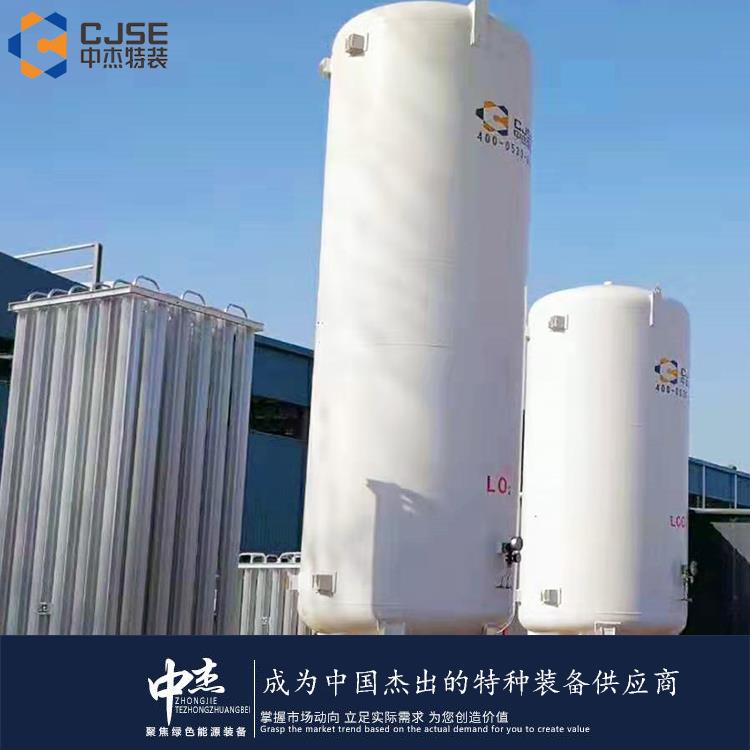
Carbon dioxide cylinders are safe when used and maintained properly, but failure to follow safety procedures or incorrect operation can pose some dangers. Here are some potential hazards associated with carbon dioxide cylinders:
- High-pressure hazard: Carbon dioxide cylinders are typically used to store high-pressure CO2 gas, posing a high-pressure risk. If the cylinder is damaged, overheated, or over-pressurized, it may explode or leak, causing personal injury and property damage.
- Asphyxiation hazard: Carbon dioxide is an asphyxiating gas; high concentrations can displace oxygen in the air, leading to asphyxiation. When using carbon dioxide cylinders in enclosed spaces, ensure adequate ventilation and oxygen supply to avoid asphyxiation risks.
- Freezing hazard: Liquid CO2 is extremely cold, and contact with it can cause cold injury. Follow proper operational procedures and use appropriate personal protective equipment to prevent cold injury.
- Fire hazard: Although CO2 itself is not flammable, it can suppress oxygen supply at high concentrations, potentially extinguishing fires. However, if CO2 leaks into the air, it may form flammable mixtures, increasing the risk of fire.
To ensure safety, adhere to relevant safety operating procedures and guidelines when using carbon dioxide cylinders and receive necessary training. Regularly inspect and maintain the cylinders, following the manufacturer's recommendations and local regulations to reduce potential hazards. In case of abnormal situations or leaks, take appropriate emergency measures immediately and notify relevant personnel.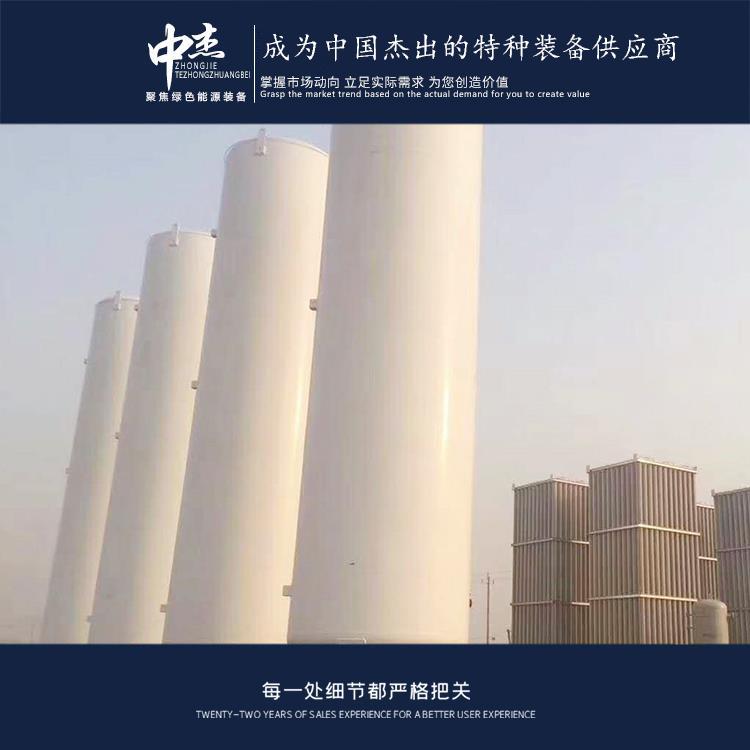
Carbon dioxide has several key applications in the battery industry:
- Solvent in electrolytes: Carbon dioxide can serve as one of the solvents in battery electrolytes. In certain types of batteries, it can be mixed with organic solvents to enhance the performance and stability of the electrolyte.
- Protective gas in battery manufacturing: During the battery manufacturing process, carbon dioxide can be used as a protective gas. For instance, during assembly and encapsulation, it can replace air to prevent oxidation and corrosion of battery materials by oxygen and moisture within the battery.
- Battery performance improvement: Carbon dioxide can improve battery performance by altering the atmosphere within the battery. For example, by injecting carbon dioxide gas into the battery, pressure and temperature can be regulated, enhancing the battery's cycle life and safety.
- Carbon dioxide capture and storage: The production of batteries generates carbon dioxide emissions. Carbon dioxide capture and storage technologies can be employed to reduce these emissions. By capturing and storing carbon dioxide, atmospheric emissions can be minimized, reducing environmental impact.
- It's important to note that the application of carbon dioxide in the battery industry is continuously evolving and being researched. With technological advancements and innovation, there may be more breakthroughs and developments in the application of carbon dioxide in the battery field.
Shandong Zhongjie Special Equipment, welcome customers to our factory for business discussions.
WeChat Official Account

Scan to follow Official Account




















