


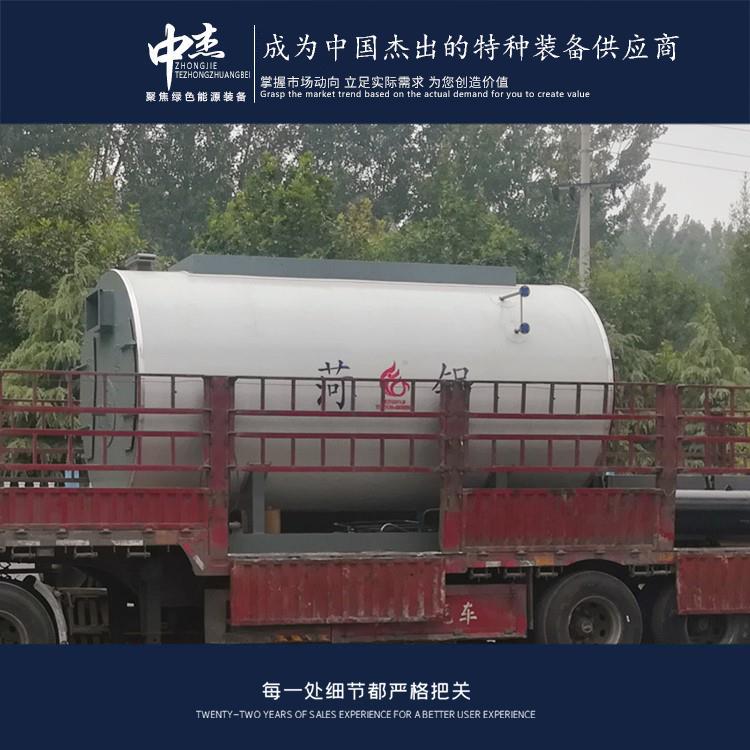


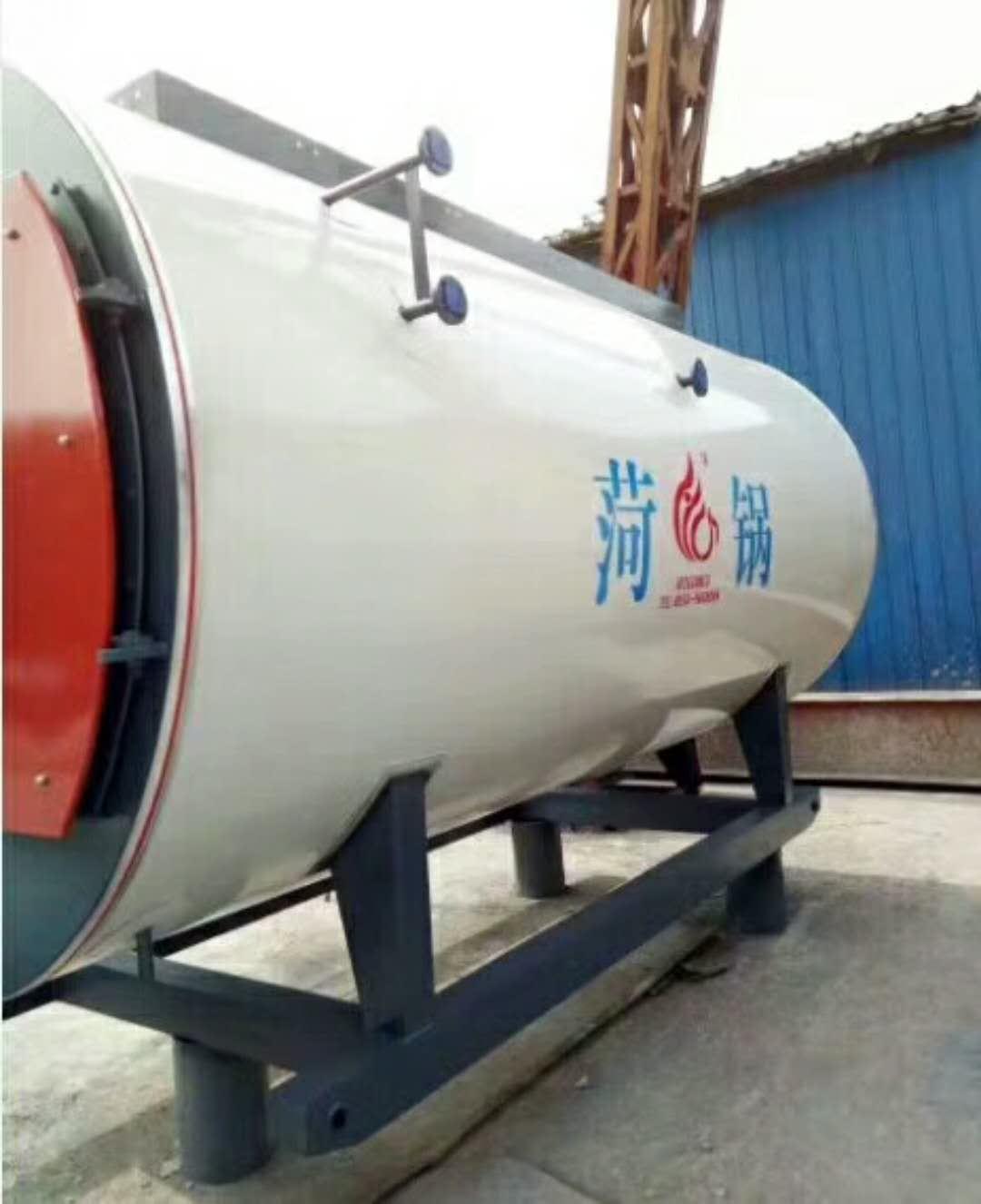



















Shandong Zhongjie Special Equipment specializes in: fuel (gas) boilers, organic heat carrier boilers, biomass boilers, waste heat boilers, and other boiler products; vacuum insulation cryogenic pressure vessels such as LNG storage tanks, oxygen-nitrogen-argon storage tanks, CO2 storage tanks; pressure vessel products including denitrification engineering equipment, heat storage and energy storage equipment, complete chemical equipment sets; central air conditioning and HVAC equipment such as ground (water) source heat pumps, air source units, water-cooled screw units, and air-cooled modular units. Planned products include large-scale energy centers, LNG transport vehicles, LNG tank containers, and other green energy equipment.
Before ignition, the preparation of the steam boiler involves the following steps:
1. Clean the boiler: First, clean the internal and external dirt and impurities from the boiler. Remove ash, sediments, and dirt to ensure the efficiency of combustion and heat exchange.
2. Check fuel supply: Inspect the fuel supply system to ensure a smooth fuel supply. Check the fuel storage, transmission pipelines, and filters, clearing blockages and replacing damaged parts.
3. Inspect the burner: Check the operating condition and cleanliness of the burner. Clean the burner's nozzle and flame sensor to ensure normal operation of the burner.
4. Check the gas system: If it's a gas boiler, inspect the gas supply system. Check the gas pipelines, valves, and pressure regulators to ensure safe and stable gas supply.
5. Check water level and pressure: Inspect the boiler's water level and pressure. Ensure the water level is within the normal range, and pressure is stable and meets requirements. Add water and adjust pressure if necessary.
6. Check safety devices: Inspect the boiler's safety devices, such as safety valves, pressure switches, and water level controllers. Ensure these safety devices are functioning normally to guarantee safe boiler operation.
7. Prepare ignition tools: Prepare the tools and equipment required for ignition, such as a matchstick, igniter, etc. Ensure these tools are in good working order and safe to use.
When performing these preparation tasks, follow relevant operational procedures and safety requirements to ensure safety and effectiveness. If unsure about the preparation process, consult an expert or the boiler manufacturer for advice.
Gas boiler temperature control methods usually include the following:
Manual Adjustment: The temperature of a gas boiler is controlled by manually operating valves or regulators. Adjust the valve opening or regulator settings as needed to achieve the desired temperature.
Automatic Adjustment: Gas boilers can be equipped with an automatic control system that uses sensors and controllers for automatic temperature regulation. Sensors detect the boiler's temperature and send signals to the controller, which then automatically adjusts the gas supply and burner status within a set temperature range to maintain the desired temperature.
Proportional Control: Temperature regulation in gas boilers can also be done using proportional control. Adjust the valve or regulator opening to perform proportional adjustments based on temperature changes, maintaining a certain proportional relationship between gas supply and burner status.
PID Control: PID control is a commonly used temperature regulation method. The PID controller adjusts the gas supply and burner status based on temperature deviations, rates of change, and integral values to achieve temperature control.
It should be noted that different gas boilers may use different temperature control methods. The specific control method and operation should be determined according to the boiler model and control system. When adjusting the temperature, follow safety operating procedures to ensure the boiler operates normally and maintains safety.
Properly utilizing fuel-gas boilers can enhance energy efficiency and reduce consumption. Here are some suggestions:
1. Select the Right Boiler Model: Choose a suitable fuel-gas boiler model based on actual needs, considering factors like thermal load, fuel type, and combustion efficiency.
2. Regular Inspections and Maintenance: Conduct regular checks and maintenance on fuel-gas boilers to ensure smooth operation. This includes cleaning burners, inspecting the combustion system, adjusting combustion parameters, and promptly repairing or replacing damaged parts.
3. Control Combustion Process: Manage the combustion process effectively to ensure complete, stable combustion. Adjust burner parameters such as air flow and fuel supply to improve efficiency and reduce waste.
4. Heat Recovery: Utilize waste heat recovery systems to capture and utilize the excess heat from flue gases. This can be used to heat water or other processes requiring thermal energy, thereby increasing energy efficiency.
5. Control Boiler Operating Parameters: Manage the boiler's operating parameters like water level, pressure, and temperature based on actual needs and operational conditions. Avoid extremes to enhance efficiency and safety.
6. Regularly Clean Heat Exchangers: Regularly clean the heat exchangers of fuel-gas boilers to remove dirt and sediment, maintaining their heat transfer efficiency and reducing energy loss.
7. Energy Management: Establish an energy management system, monitor and analyze energy consumption, and develop reasonable energy use plans and energy-saving measures. Scientific management can improve energy efficiency and reduce consumption.
These are common methods and suggestions, but specific applications should be determined based on actual conditions and boiler characteristics. Adhere to relevant laws, regulations, and safety operation procedures to ensure safe operation of fuel-gas boilers.
The gas steam boiler's gas consumption over a year, for a 1-ton capacity unit, depends on several factors, including the efficiency of the boiler, load conditions, and operating hours. Generally, it can be estimated using the following formula: Gas Consumption (m) = Boiler Efficiency × Boiler Rated Thermal Power × Operating Hours. Here, the boiler efficiency refers to the boiler's thermal energy utilization efficiency, typically expressed as a percentage; the boiler rated thermal power is the boiler's rated thermal output, usually measured in kilowatts (kW); and operating hours are the duration the boiler is in operation, commonly measured in hours.
It's important to note that the boiler's efficiency and rated thermal power can be determined based on the specific model and parameters of the boiler, while the operating hours need to be estimated based on actual usage. Therefore, to accurately calculate the annual gas consumption of a 1-ton gas steam boiler, it is recommended to refer to the technical specifications and operating records of the boiler, or consult the boiler manufacturer or engineer.
Shandong Zhongjie Special Equipment, welcome customers to visit our factory for business discussions.
WeChat Official Account

Scan to follow Official Account




















