



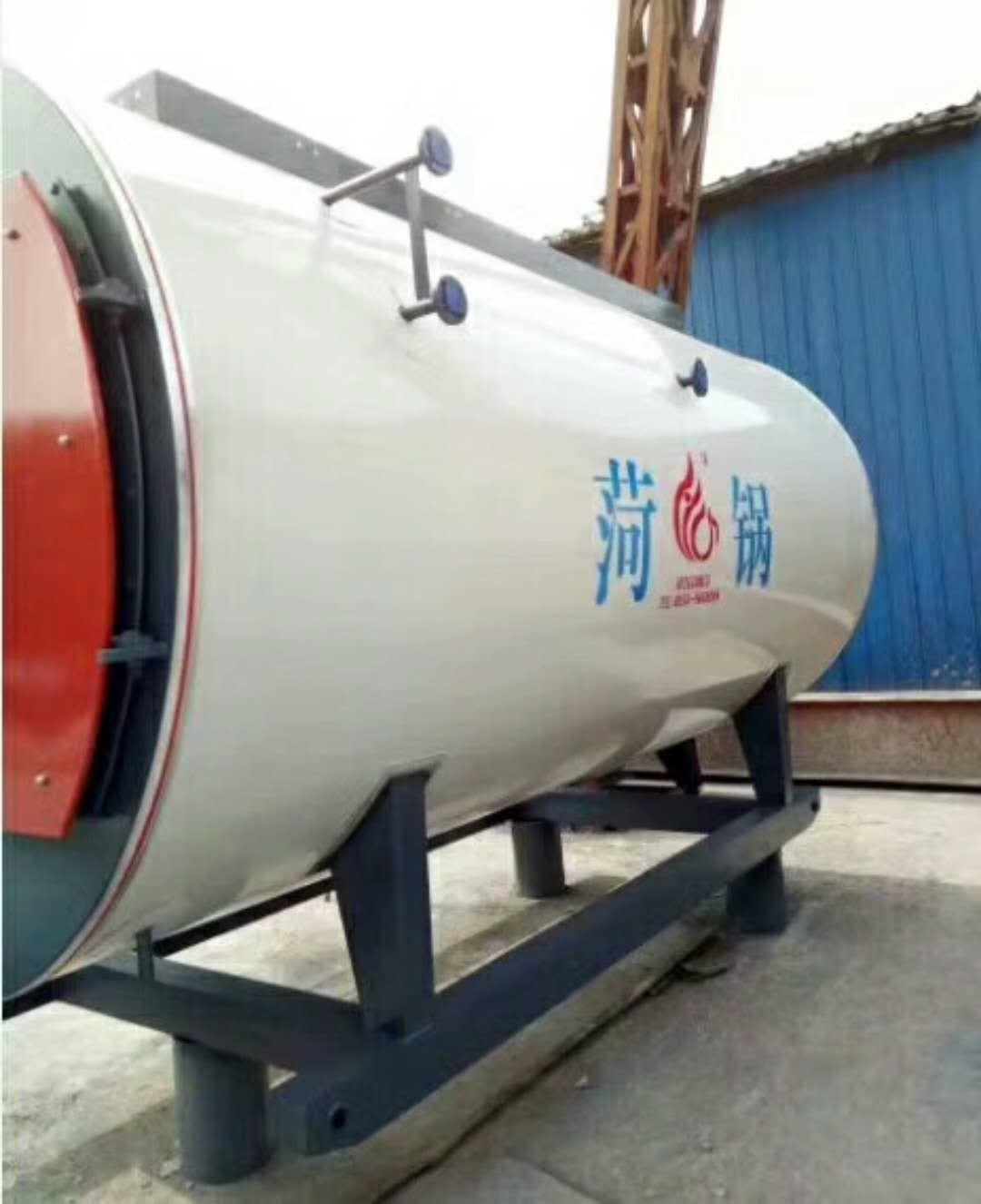
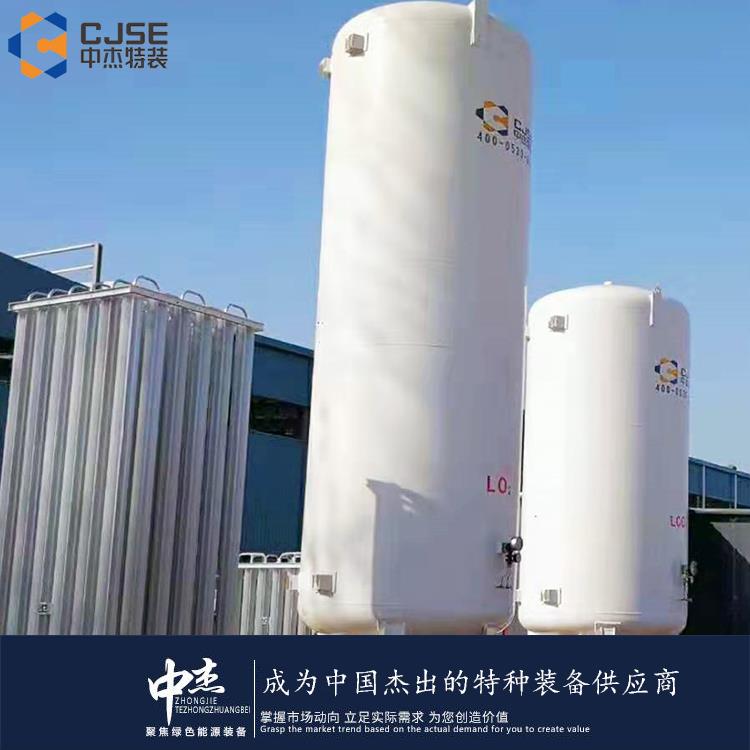



















Shandong Zhongjie Special Equipment specializes in: fuel (gas) boilers, organic heat carrier boilers, biomass boilers, waste heat boilers, and other boiler products; vacuum insulation cryogenic pressure vessels such as LNG tanks, oxygen-nitrogenargon tanks, and CO2 tanks; pressure vessel products including denitrification engineering equipment, heat storage and energy storage equipment, and complete chemical equipment sets; central air conditioning and HVAC equipment such as ground (water) source heat pumps, air-source units, water-cooled screw units, and air-cooled modular units. Planned products include large-scale energy centers, LNG transport vehicles, LNG tank containers, and other green energy equipment.
In the event of a CO2 cylinder leak, immediate action should be taken as follows: Ensure personnel safety: First, ensure that people evacuate the leak area quickly and distance themselves from potential hazards. If necessary, use appropriate personal protective equipment, such as respirators and protective suits. Cut off the gas source: As soon as possible, shut off the CO2 supply source to stop further leakage. Close related valves or switches, or disconnect from the cylinder. Prevent ignition sources: Ensure there are no open flames or other potential fire-causing heat sources in the leak area. If there is a fire risk, take appropriate fire-fighting measures immediately. Ventilation: Activate ventilation equipment to increase air circulation, which helps dilute and expel the leaked CO2 gas. Ensure the ventilation equipment is operating properly and that the ventilation system does not introduce CO2 gas to other areas. Seal the leak point: If possible, attempt to seal the leak point using suitable materials or methods to reduce or stop the leakage. This may require assistance from personnel. Notify relevant departments: Promptly inform the relevant emergency departments, environmental protection departments, or related agencies, report the leak situation, and act according to their instructions. Please note that handling CO2 cylinder leaks is a dangerous task and should be performed by trained and experienced personnel. Always follow relevant safety operating procedures and guidelines during the process.
Carbon dioxide synthesis is a chemical reaction that utilizes carbon dioxide. This reaction has several applications:
1. Fertilizer Production: It is an essential raw material for manufacturing fertilizers, and carbon dioxide synthesis represents a sustainable production method. By reacting with other substances, carbon dioxide can be synthesized into compounds used to make nitrogen fertilizers, such as urea. This approach reduces reliance on fossil fuels used in traditional production methods, thereby decreasing greenhouse gas emissions.
2. Energy Storage: Carbon dioxide synthesis can also serve as a form of energy storage. By converting carbon dioxide into other substances through a chemical bond, energy can be stored. When energy is needed, the reverse reaction can decompose the substances back into carbon dioxide and other components, releasing the stored energy.
3. Fuel Cells: It can act as a clean fuel for fuel cells. By synthesizing carbon dioxide with other substances and then using the resulting compounds in fuel cells, electricity can be generated, with water and nitrogen as byproducts, minimizing environmental pollution.
4. Chemical Synthesis: It is an important raw material for the synthesis of many chemicals. Carbon dioxide synthesis can provide a sustainable supply for the chemical industry, used to synthesize other chemicals, such as etc.
The development of carbon dioxide synthesis technology aims to reduce reliance on fossil fuels used in traditional production methods, lower greenhouse gas emissions, and promote the development of sustainable energy and the chemical industry. However, this technology is still in continuous development and research, requiring further technological breakthroughs and practical verification to achieve large-scale application.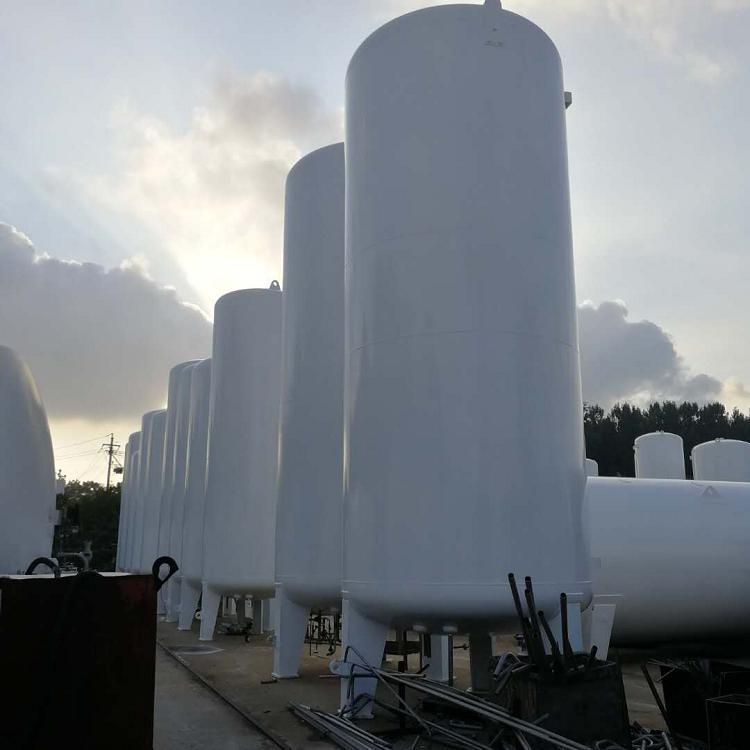
The safe operation of low-temperature carbon dioxide storage tanks is crucial and primarily includes the following aspects: Design and Manufacturing: The tank's design and construction must comply with relevant standards and regulations to ensure they can withstand working conditions under low temperatures and high pressures. The tank should possess adequate strength and sealing performance to prevent leaks and ruptures. Safety Valves and Pressure Control: The tank should be equipped with safety valves and pressure control devices to ensure internal pressure remains within safe limits. Safety valves should be inspected and tested regularly to ensure proper functioning. Temperature Control: Effective temperature control is necessary for low-temperature carbon dioxide storage tanks to prevent freezing or embrittlement due to excessively low temperatures. Appropriate insulation materials and equipment should be used to maintain the tank and pipeline temperatures within safe ranges. Leak Detection and Alarm: The tank should be fitted with leak detection devices and alarm systems, along with corresponding monitoring equipment. These devices can detect leaks in a timely manner and trigger alarms for appropriate actions. Safe Operation and Training: Operators should receive relevant training to understand the safe operation procedures and standards for low-temperature carbon dioxide storage tanks. Operators should be familiar with the tank's characteristics, working principles, and emergency response measures. Regular Inspections and Maintenance: Tanks should be regularly inspected and maintained, including visual inspections, anti-corrosion coating maintenance, and leak detection. Regular inspections can identify potential issues early and allow for timely repair measures. Emergency Preparedness: Establish an emergency response plan and equip with appropriate firefighting and first-aid equipment. Operators should be familiar with emergency procedures and able to respond quickly to emergencies. Please note that the above key points are general recommendations. Specific safe operation should be based on the design and usage requirements of the low-temperature carbon dioxide storage tanks. Before using the tank, it is recommended to refer to relevant safety operation manuals and guidelines to ensure operational safety.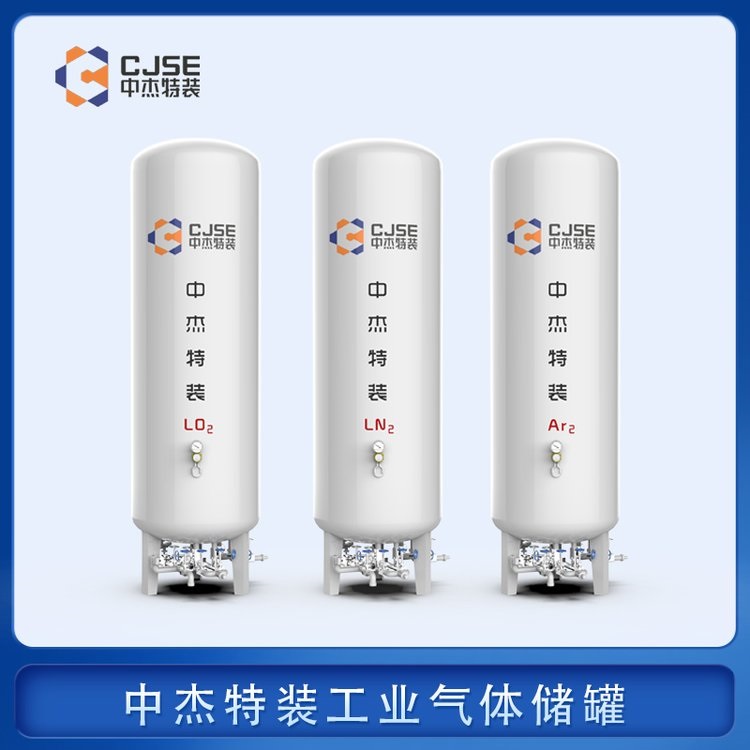
Carbon dioxide is widely used as a protective gas in metal welding processes during welding. The following are the main applications of carbon dioxide in welding:
Gas Metal Arc Welding (GMAW): Carbon dioxide is commonly used as the protective gas in the GMAW welding process. In GMAW welding, the arc generates high temperatures in the welding area, which can also cause oxidation reactions with oxygen and water vapor, leading to a decrease in weld quality. By injecting carbon dioxide gas into the welding area, a protective atmosphere is formed, preventing oxygen and water vapor from entering, thereby improving the quality and strength of the weld.
Mixed Gas Metal Arc Welding (GMAW): Carbon dioxide is also often mixed with other gases (such as argon) to form mixed gas protective welding. The use of mixed gases can adjust the arc stability, molten pool formation, and weld quality during welding, enhancing the welding effect.
Gas Shielded Brazing: Carbon dioxide can also be used in gas shielded brazing processes. During brazing, the carbon dioxide gas provides a protective atmosphere, preventing oxidation and contamination in the brazing area, ensuring the quality of the brazed joint.
Gas Shielded Cutting: Carbon dioxide can also be used in gas shielded cutting processes. In gas shielded cutting, by injecting carbon dioxide gas into the cutting area, a protective atmosphere is formed, preventing oxidation and contamination in the cutting area, improving the quality and speed of cutting.
It should be noted that the application of carbon dioxide in welding needs to be adjusted and optimized according to specific welding materials, methods, and requirements. When using carbon dioxide for welding, it is necessary to follow relevant safety operation procedures and guidelines to ensure the safety and quality of the welding process.
ZJ Special Equipment adheres to the great vision of "realizing employees' dreams, creating customer value, and striving for the prosperity and strength of our motherland," and is dedicated to the development of the green energy equipment industry. We commit to society with high-quality, cost-effective products and services!
WeChat Official Account

Scan to follow Official Account




















