


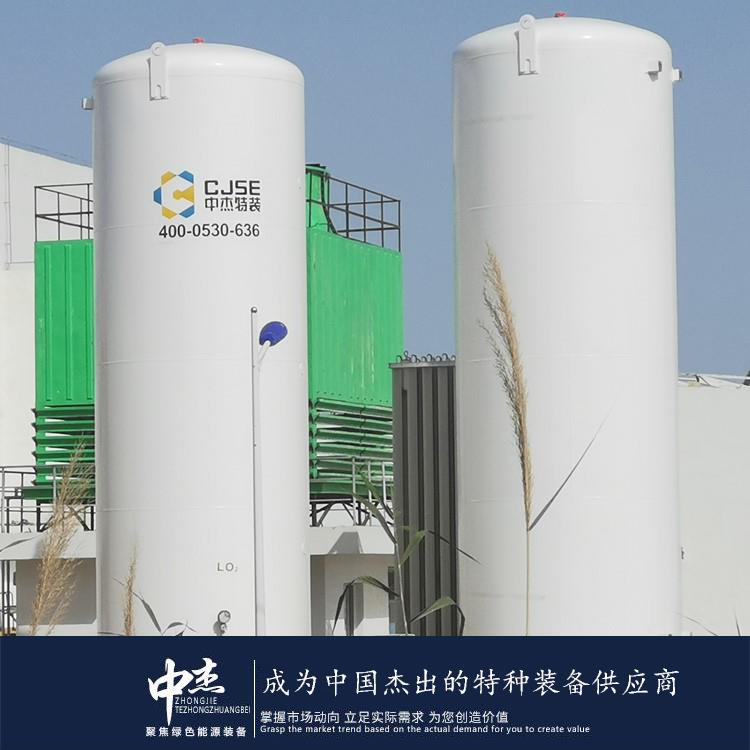



















Shandong Zhongjie Special Equipment (formerly Heze Boiler Factory Co., Ltd.) holds an A-grade boiler manufacturing license, an A2-grade pressure vessel manufacturing license, an A2-grade pressure vessel design license, B-grade boiler installation, and GB2/Class, GC2/Class pressure pipeline installation licenses, as well as equipment and machinery installation contracting qualifications. It is a member of the China Boiler and Water Treatment Association, the China Chemical Equipment Association, and the Council Member of the Shandong Equipment Manufacturing Association. The company has also passed certifications for the ISO9001 Quality Management System, ISO14001 Environmental Management System, OHSAS18001 Occupational Health and Safety Management System, and the American ASME/U2 certification.
During the welding process of low-temperature liquid storage tanks, controlling the occurrence of welding cracks is crucial. The following are some methods and measures for controlling welding cracks:
Appropriate Welding Techniques: Selecting the right welding process and parameters reduces welding heat input and thermal stress. Methods with low heat input, such as pulse welding and laser welding, can decrease the temperature gradient and residual stress in the heat-affected zone.
Preheating and post-heat treatment: Perform proper preheating before welding to enhance material toughness and reduce thermal stress. Conduct appropriate post-heat treatment, such as annealing or stress-relief heat treatment, after welding to minimize residual stress and improve the toughness of the weld.
Select appropriate welding materials: Choose welding materials with good toughness and crack resistance to minimize the occurrence of welding cracks. Select suitable welding materials based on the storage tank's operating conditions and requirements, such as low-alloy steel, stainless steel, etc.
Control Welding Process: Monitor and regulate parameters and operations during the welding process to minimize the risk of welding cracks. Pay attention to factors such as welding speed, current, voltage, and welding sequence to avoid overheating or rapid welding, thereby reducing the accumulation of thermal and residual stresses.
Inspection and Evaluation: Conduct non-destructive testing on welds after welding, such as ultrasonic testing and X-ray testing, to assess welding quality and the presence of cracks. Promptly identify and repair welding cracks to ensure the integrity and safety of the weld joints.
It's important to note that controlling welding cracks is a complex process that requires considering multiple factors, such as materials, welding techniques, and operations. When welding low-temperature liquid storage tanks, it's advisable to consult with a welding engineer or relevant institutions for guidance to ensure both welding quality and tank safety.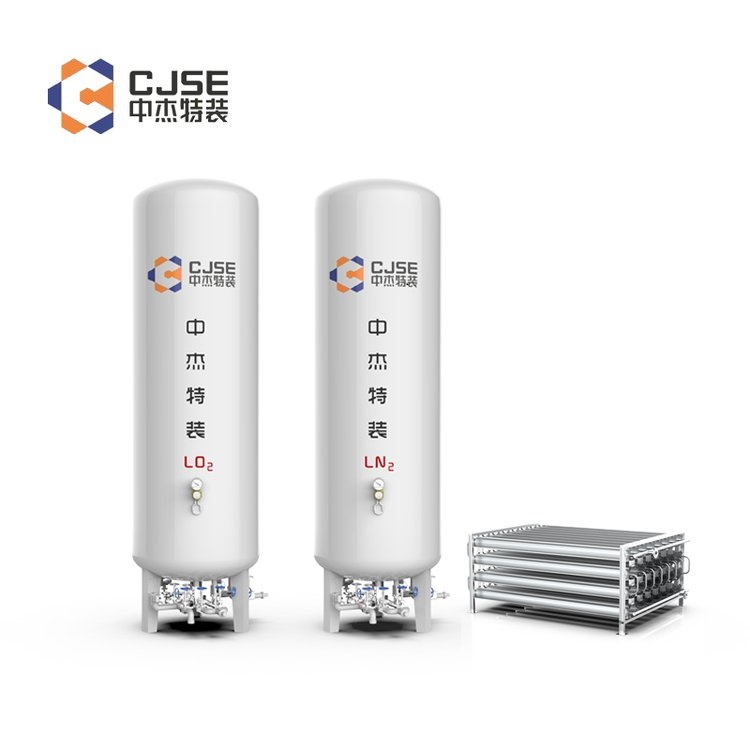
The safe placement of liquid oxygen tanks is a crucial measure to ensure that the tanks pose no danger to the surrounding environment and personnel during use. The following are the safety requirements for the placement of liquid oxygen tanks:
Safety Distance: Liquid oxygen storage tanks should maintain a certain distance from other buildings and equipment. This is to ensure effective control and minimize the impact on the surrounding environment in the event of a tank leak or fire.
Fire and Explosion Prevention Measures: Liquid oxygen tanks should be located in a fire-resistant area, away from open flames, high-temperature sources, and flammable materials. The surrounding area should be equipped with fire and explosion prevention facilities, such as fire extinguishers and foam sprinkler systems, to address potential fire risks.
Level placement: Liquid oxygen tanks should be placed on a solid, flat foundation to ensure stability. The bottom of the tank should make full contact with the ground to prevent tilting or rocking.
Ventilation Requirements: Liquid oxygen tanks should be placed in well-ventilated areas to ensure normal circulation of gas emissions and oxygen supply. There should be no obstructions around the tanks that hinder gas flow.
Labeling and Warning: Oxygen liquid storage tanks should be clearly labeled with information such as the storage medium, capacity, and pressure. Warning signs and safety警示 labels should be placed in the surrounding area to remind personnel of the presence and potential dangers of the oxygen liquid storage tank.
Regular inspections and maintenance: Liquid oxygen tanks should be regularly inspected and maintained, including checking the tank's appearance, sealing, and corrosion prevention measures. Any issues found should be promptly repaired or the tank replaced to ensure proper operation and safety.
It's important to note that the safety requirements for the placement of liquid oxygen tanks may vary depending on the region and industry. When placing liquid oxygen tanks, it's essential to comply with relevant regulations, standards, and safety procedures, and to establish appropriate safety measures based on the specific situation. If you're unfamiliar with or have questions about the safety placement requirements, it's recommended to consult with experts or relevant institutions.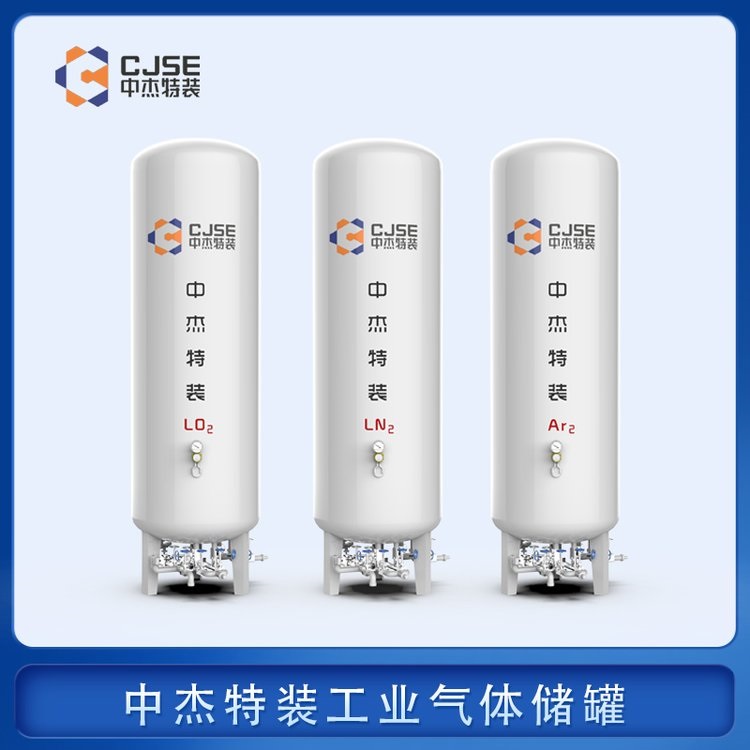
Maintenance and care of liquid nitrogen tanks are crucial for ensuring safe operation and extending their lifespan. Here are the maintenance and care methods for liquid nitrogen tanks:
Regular Inspections: Conduct regular inspections of the liquid nitrogen tank's exterior and interior, checking for leaks, corrosion, wear, or other damage. Pay special attention to inspecting the tank's interfaces, valves, and pipelines, ensuring they are functioning properly.
Cleaning and Defrosting: Regularly clean the exterior surface of the liquid nitrogen tank to remove dust and dirt. If there is ice or frost buildup inside the tank, defrosting is required to maintain the tank's normal operational status.
Level Monitoring: Regularly monitor the liquid nitrogen tank's level to ensure the stored quantity of liquid nitrogen is within a safe range. In case of an abnormal level, adjustments or replenishment of liquid nitrogen are required promptly.
Inspection and Replacement of Parts: Regularly inspect and replace critical components of liquid nitrogen storage tanks, such as safety valves, pressure sensors, and temperature sensors, to ensure their proper functioning and accuracy.
Inspect the insulation layer: Regularly check the liquid nitrogen tank's insulation layer to ensure its integrity and insulating properties. If any damage or aging is found, it should be repaired or replaced promptly.
Regular Calibration: Regularly calibrate the gauges and sensors of liquid nitrogen tanks to ensure accuracy and reliability. Calibration should be conducted in accordance with relevant standards and specifications.
Safety Training and Operating Procedures: Conduct regular safety training for liquid nitrogen tanks to ensure operators are familiar with the safe operating procedures and emergency response measures.
Note that maintenance and care of liquid nitrogen tanks should be performed by trained and authorized personnel. Adhere to relevant safety regulations and operational guidelines to ensure the safety and effectiveness of maintenance activities.
The liquid nitrogen tank boasts the following features during the construction process:
Low-Temperature Construction: The construction of liquid nitrogen tanks must be carried out in low-temperature conditions, as the boiling point of liquid nitrogen is low, approximately -196 degrees Celsius. Construction personnel must take appropriate protective measures, such as wearing thermal protective clothing and gloves, to protect themselves from low-temperature injuries.
Welding Technology: A substantial amount of welding is required during the manufacturing process of liquid nitrogen tanks, including the connections of the tank walls, bottom plate, top plate, and welds. Welding technology is crucial for the quality and safety of the tank, necessitating the use of appropriate welding methods and materials to ensure the strength and sealability of the welds.
Insulation Layer Construction: Liquid nitrogen storage tanks must have excellent insulation properties to reduce heat transfer and maintain the low temperature state of liquid nitrogen. The construction of the insulation layer requires materials such as polyester foam and glass wool, ensuring the thickness and quality of the insulation layer.
Proper installation steps for liquid nitrogen tanks are as follows:
Site Preparation: Select an appropriate site for tank installation, ensuring it is level, sturdy, and has adequate load-bearing capacity. The site should be kept away from flammable, explosive materials, and other hazardous sources.
Basic Construction: Construction of the foundation based on the tank's dimensions and weight, including excavation of the foundation pit, pouring of concrete foundation, etc. The design and construction of the foundation should comply with relevant standards and regulations.
Tank Installation: Transport the tank to the site and perform a vertical installation. Appropriate lifting equipment and safety measures must be used during the installation process to ensure the stability and safety of the tank.
Pipe connections: Connect the storage tank to the relevant pipeline system as required, including intake pipes, exhaust pipes, and liquid supply pipes, etc. Sealing and testing must be conducted during the connection process to ensure the safety and integrity of the pipes.
Zhongjie Special Equipment adheres to the grand vision of "realizing employees' dreams, creating customer value, and striving for the prosperity and strength of our motherland," and is dedicated to the development of the green energy equipment industry. We commit to society with high-quality, cost-effective products and services!
WeChat Official Account

Scan to follow Official Account




















