


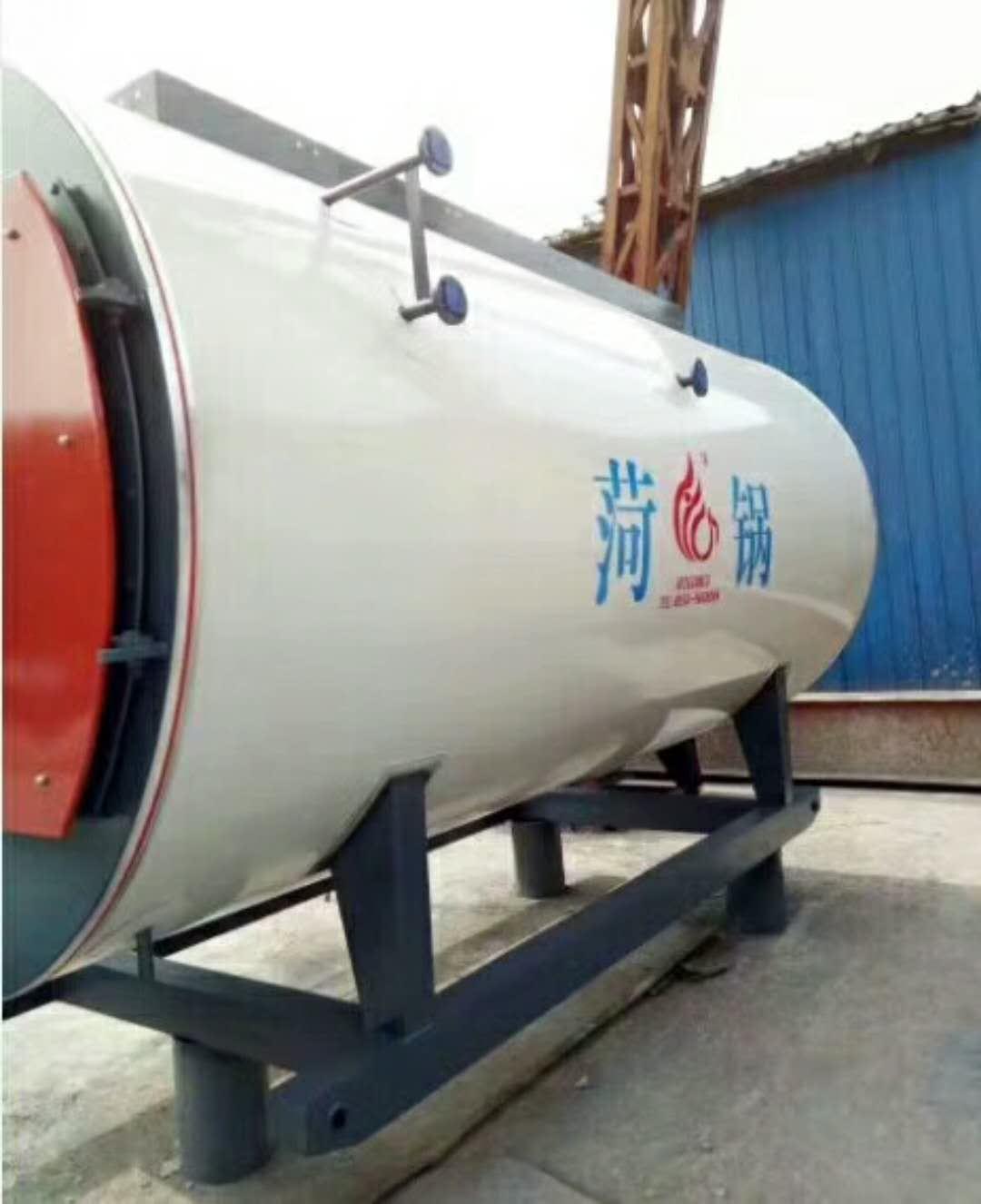



















Shandong Zhongjie Special Equipment's main products include: fuel (gas) boilers, organic heat carrier boilers, biomass boilers, waste heat boilers, and other boiler products; vacuum insulation cryogenic pressure vessels such as LNG tanks, oxygen/nitrogen/argon tanks, CO2 tanks; pressure vessel products like denitrification engineering equipment, heat storage and energy storage equipment, complete chemical equipment; central air conditioning and HVAC equipment such as ground (water) source heat pumps, air source units, water-cooled screw units, and air-cooled modular units. Planned products include large-scale energy centers, LNG transport vehicles, LNG tank containers, and other green energy equipment.
A liquid oxygen tank is a device used for storing liquid oxygen. Liquid oxygen is the liquid form of oxygen cooled below its boiling point and is commonly used in areas such as medical, industrial production, and equipment. Liquid oxygen tanks are typically made of high-strength materials like stainless steel to ensure they can withstand the low temperatures and high pressures of liquid oxygen. The tanks usually have an insulating layer inside to reduce evaporation of the liquid oxygen and maintain its低温 state. The design and manufacture of liquid oxygen tanks must consider safety and reliability to prevent leaks and explosions. Strict operational procedures and safety standards must be followed when using liquid oxygen tanks to ensure the safety of personnel and equipment. The development and manufacturing of liquid oxygen tanks are conducted by engineers and technical teams, involving knowledge and technology from various fields such as materials science, mechanical engineering, and chemical engineering. Different manufacturers may use different design and manufacturing methods to meet the needs and application scenarios of various users.
The use and operation of the liquid oxygen storage tank system should be mindful of the following points:
Safe Operation: When operating the liquid oxygen storage system, it is mandatory to adhere to the relevant safety operating procedures and standards to ensure the safety of the operators.
Tank Selection: Choose liquid oxygen tanks that comply with specifications and standards, ensuring their quality and safety performance.
Tank Installation: Tanks should be installed on a solid foundation to ensure stability. Additionally, good ventilation should be maintained around the tank, and it should be kept away from flammable materials and heat sources.
Sealability Inspection: Regularly check the sealing performance of the storage tank system to ensure there are no leakage issues at valve and pipeline connections.
Pressure Control: Storage tank systems should be equipped with pressure gauges and safety valves, with regular inspections and maintenance to ensure pressure remains within safe limits.
Fire Protection Measures: Liquid oxygen contains a high oxygen concentration, which is prone to causing fires. Set up fire barriers around the storage tank system, prohibit smoking and open flames, and ensure safety.
Static protection: During the operation of the liquid oxygen system, static electricity may cause sparks, increasing the risk of fire. Measures such as using static-conductive materials and anti-static equipment should be taken to reduce the accumulation and release of static electricity.
Regular inspections and maintenance: Conduct regular checks on the tank system and related equipment, including valves, pipes, pressure gauges, etc. Ensure that the equipment is in good condition without any damage, and promptly repair or replace any damaged parts.
Waste Gas Treatment: During the operation of the liquid oxygen system, waste gas is produced, and appropriate waste gas treatment measures must be taken to minimize environmental impact.
Above are the precautions to be taken when using the liquid oxygen storage tank system, ensuring operational safety and the normal operation of the system. During operation, strict adherence to the relevant operational procedures and safety requirements should be maintained to avoid accidents.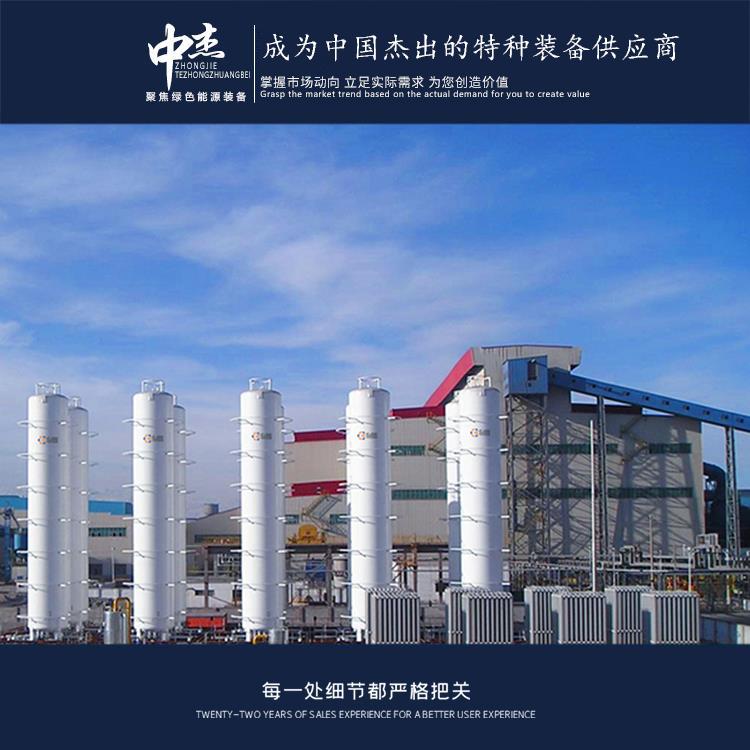
Protective tips for liquid nitrogen tanks include:
Wear protective gear: When operating liquid nitrogen tanks, it is mandatory to wear appropriate protective gear, including protective gloves, suits, and non-slip shoes. This gear safeguards the skin from the low temperatures of liquid nitrogen and other hazards.
Avoid direct contact: Liquid nitrogen is extremely cold and can cause chilling. Therefore, it is essential to avoid direct contact with liquid nitrogen, particularly with the skin. Use tools or instruments for handling to prevent direct hand contact with liquid nitrogen.
Ensure adequate ventilation: In the operational area of the liquid nitrogen storage tank, it is essential to maintain good ventilation to expel gases produced by the evaporation of liquid nitrogen. Keep air circulating to avoid excessive oxygen concentration, and reduce the risk of fire and explosion.
Prevent Leaks: Regularly inspect the liquid nitrogen storage tank for leaks and equip with leak detectors and alarm systems. In case of a leak, take immediate action to control and repair it. Avoid any harm to personnel and the environment caused by the leakage of liquid nitrogen.
Fire Prevention Measures: Liquid nitrogen has a low boiling and freezing point, which makes it easily flammable. Measures such as setting up fire barriers around liquid nitrogen storage tanks and using fire-resistant coatings are taken to prevent fires from occurring and spreading.
Static protection: The accumulation of static electricity in liquid nitrogen tanks may cause sparks, increasing the risk of fire. Measures such as using static-conductive materials and anti-static equipment should be taken to reduce the accumulation and release of static electricity.
Regular Inspections and Maintenance: Conduct regular checks on the condition of liquid nitrogen tanks and related equipment, including valves, pipes, pressure gauges, etc. Ensure that the equipment is in perfect condition without any damage, and promptly repair or replace any damaged parts.
Waste Gas Treatment: Liquid nitrogen storage tanks generate waste gas during use, proper waste gas treatment must be implemented.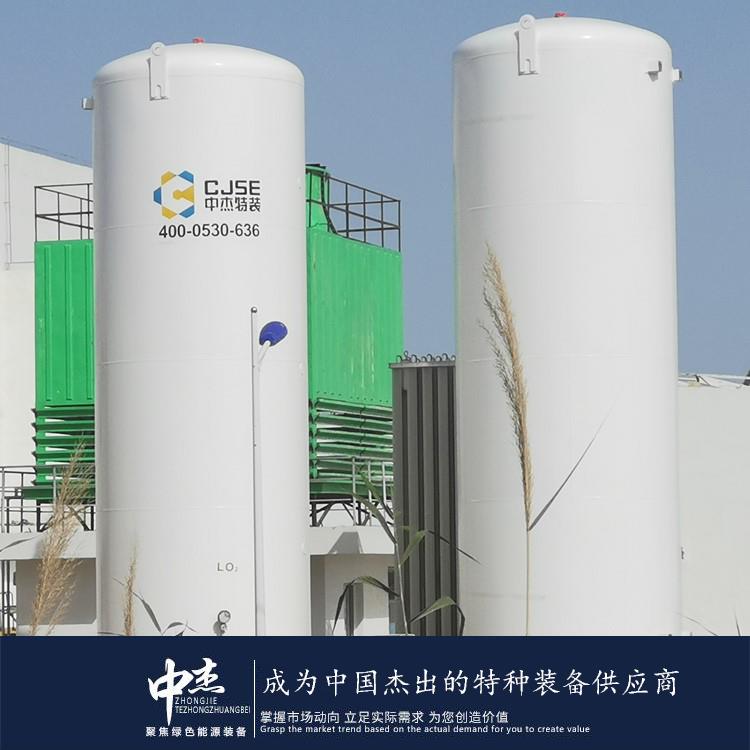
Liquid Oxygen Storage Tanks are equipment used for storing and supplying liquid oxygen. Liquid oxygen is achieved by cooling oxygen below its boiling point, converting it into a liquid state. Liquid oxygen storage tanks are typically designed with double or multi-layer structures, filled with insulating material in the middle to reduce heat transfer and evaporation of the liquid oxygen.
Liquid Oxygen Storage Tanks Feature the Following:
High Purity: The liquid oxygen storage tank contains high-purity liquid oxygen, typically exceeding 99.5% purity. This makes the liquid oxygen storage tank essential for applications requiring high-purity oxygen, such as medical, industrial, and research fields.
Low Temperature: As the boiling point of liquid oxygen is -183°C, liquid oxygen storage tanks must have excellent insulation properties to maintain the low temperature state of the liquid oxygen. Tanks are typically designed with double or multi-layer structures, filled with insulating material in between to minimize heat transfer and evaporation of the liquid oxygen.
High Pressure: Liquid oxygen tanks typically need to withstand high pressure to maintain their liquid state. The design and material selection of the tank must consider the pressure requirements of liquid oxygen to ensure the tank's safety and reliability.
Flammability: Liquid oxygen is highly flammable and supports combustion. Therefore, fire prevention measures must be implemented during the design and use of liquid oxygen storage tanks to ensure there are no ignition sources nearby, and appropriate fire extinguishing equipment is provided.
High Density: Liquid oxygen has a higher density, allowing for more oxygen to be stored in liquid oxygen tanks compared to gaseous oxygen. This gives liquid oxygen tanks an advantage in applications requiring large amounts of oxygen supply, such as in the field of and .
The use of liquid oxygen tanks must strictly adhere to relevant safety regulations and operating guidelines to ensure safe operation and usage of the tanks.
Zhongjie Special Equipment adheres to the great vision of "realizing employees' dreams, creating customer value, and striving for the prosperity and strength of our motherland," and is dedicated to the development of the green energy equipment industry. We offer society high-value products and services!
WeChat Official Account

Scan to follow Official Account




















