



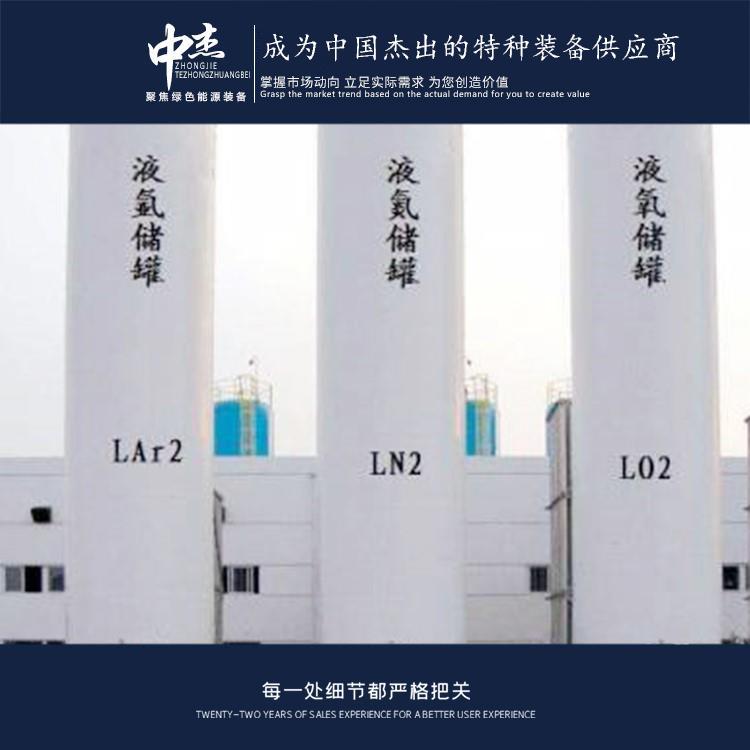
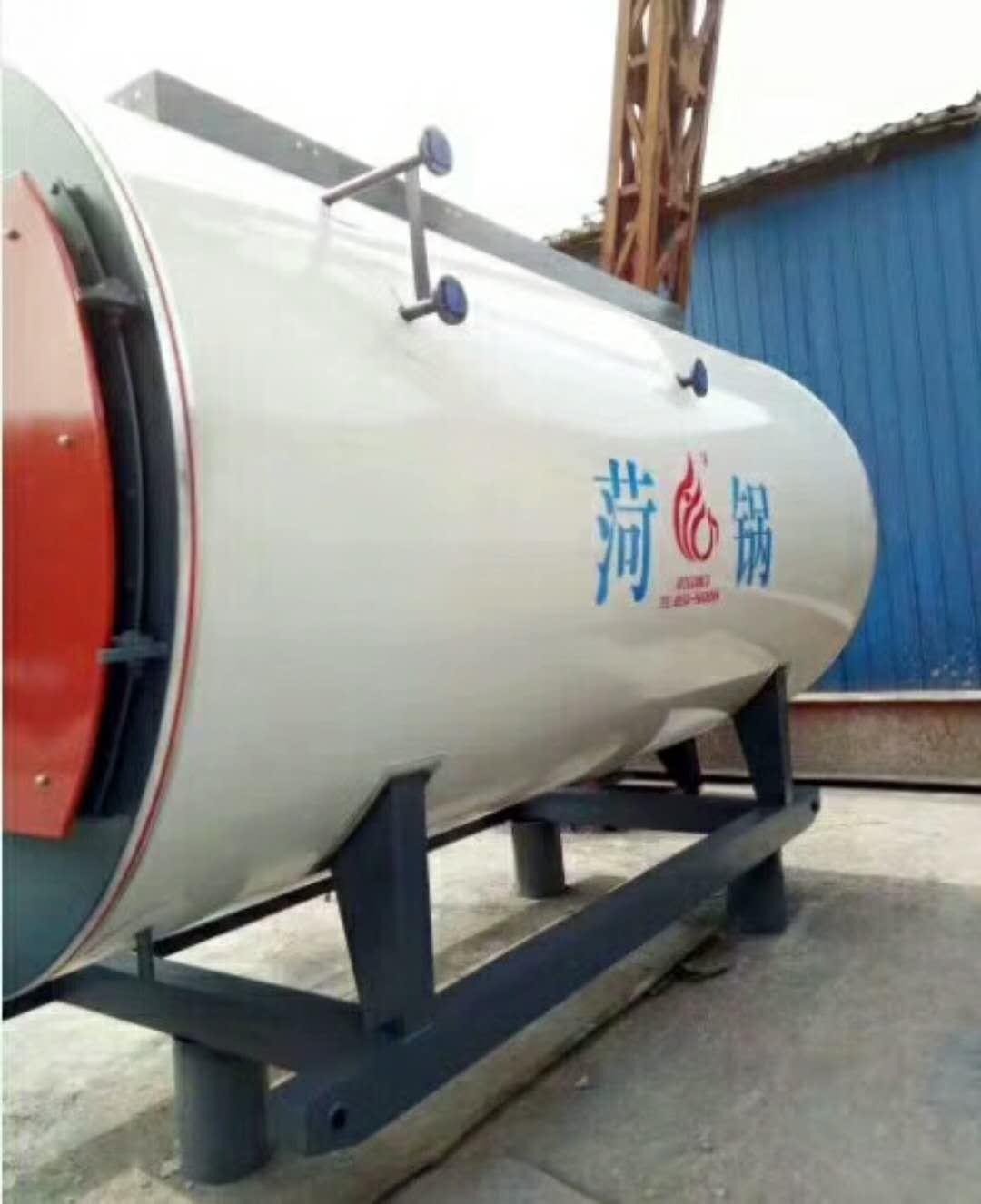



















Shandong Zhongjie Special Equipment (formerly Heze Boiler Factory Co., Ltd.) holds an A-grade boiler manufacturing license, an A2-grade pressure vessel manufacturing license, an A2-grade pressure vessel design license, a B-grade boiler installation license, and GB2/Class and GC2/Class pressure pipeline installation licenses, as well as a mechanical and electrical equipment installation contracting qualification. It is a member of the China Boiler and Water Treatment Association, the China Chemical Equipment Association, and the council member of the Shandong Equipment Manufacturing Association. The company has also passed certifications for the ISO9001 Quality Management System, ISO14001 Environmental Management System, OHSAS18001 Occupational Health and Safety Management System, and the American ASME/U2 certification.
Low-temperature CO2 storage tanks are equipment used for storing and transporting liquid CO2 (carbon dioxide) at low temperatures. Here is some knowledge related to low-temperature CO2 storage tanks: Tank Structure: These tanks typically feature a double-walled design, with the inner wall for liquid CO2 storage and the outer wall for insulation. The interior is usually made of stainless steel or aluminum alloy, offering excellent corrosion resistance. Storage Temperature: The storage temperature for low-temperature CO2 storage tanks usually ranges from -40°C to -196°C, depending on specific application requirements. Temperature control is crucial to ensure the stability and safety of the liquid CO2. Storage Capacity: The capacity of low-temperature CO2 storage tanks can be selected based on actual needs, usually ranging from a few thousand to tens of thousands of liters. The capacity choice should consider storage requirements, supply frequency, and space limitations. Safety Protection: These tanks require safety protection devices such as pressure relief valves, pressure sensors, and temperature sensors to ensure internal pressure and temperature remain within safe limits. Transportation: Low-temperature CO2 storage tanks can be transported by road, rail, or ship. Proper insulation measures must be taken during transportation to maintain the low-temperature state of the liquid CO2 inside. Safe Operation: Operation of low-temperature CO2 storage tanks requires training and adherence to safety operation procedures. Operators should understand the tank's characteristics and safety precautions to ensure safe and effective operation. Regular Inspection and Maintenance: Regular inspections and maintenance are necessary for low-temperature CO2 storage tanks, including visual inspections, valve and pipeline checks, and pressure relief device checks. Regular maintenance ensures the tank's normal operation and safety. The above is some knowledge related to low-temperature CO2 storage tanks. When using and operating these tanks, it is essential to follow relevant safety regulations and standards, and consult with experts to ensure safety and effectiveness.
Carbon dioxide storage tanks are categorized into various types and structures based on their design and application:
- Vertical Tanks: Commonly used carbon dioxide storage tanks, these are cylindrical in shape and placed vertically. They typically have larger capacities and are used for large-scale storage and supply.
- Horizontal Tanks: Another common type, these tanks are rectangular or cylindrical in shape and placed horizontally. They are usually used for smaller-scale storage and supply, suitable for limited spaces.
- Spherical Tanks: A specialized type of carbon dioxide storage tank with a spherical shape. They offer high strength and pressure containment, suitable for high-pressure storage and transportation.
- Vertical Tanks: Smaller capacity carbon dioxide storage tanks with a cylindrical shape and vertical placement. They are typically used for small-scale storage and supply, such as commercial and residential use.
- Underground Tanks: A unique structure where the carbon dioxide storage tank is buried underground. These tanks save space, reduce visual impact, and offer enhanced safety and environmental protection.
These tanks are usually constructed from pressure-resistant materials (like carbon steel or stainless steel) and have certain thermal insulation properties. They are equipped with accessories such as safety valves, pressure gauges, and level indicators. The interior often features baffles or partitions to separate different liquids or gases. Additionally, the tanks are fitted with safety systems, including pressure maintenance systems, leak detection systems, and fire detection systems.
Pressure Vessel Standards: Liquid carbon dioxide storage tanks are generally considered pressure vessels, and their design, manufacturing, and use should comply with the relevant pressure vessel standards. In China, commonly used pressure vessel standards include GB150 "Steel Pressure Vessels" and GB18435 "Storage Tanks." Safety Standards: The use of liquid carbon dioxide storage tanks should adhere to the applicable safety standards and regulations. For instance, in China, the safe operation of liquid carbon dioxide storage tanks should follow standards such as GB50028 "Design Code for Petroleum and Chemical Enterprises" and GB50016 "Building Design Fire Prevention Code." Inspection and Testing Standards: The inspection and testing of liquid carbon dioxide storage tanks should meet the relevant standards and regulations. For example, regular inspections of liquid carbon dioxide storage tanks can refer to GB/T 19638 "Code for Periodic Inspection of Pressure Vessels." Environmental Protection Standards: The use of liquid carbon dioxide storage tanks should comply with relevant environmental protection standards and regulations. For example, in China, the exhaust emissions of liquid carbon dioxide storage tanks should meet standards such as the "Emission Standards of Air Pollutants."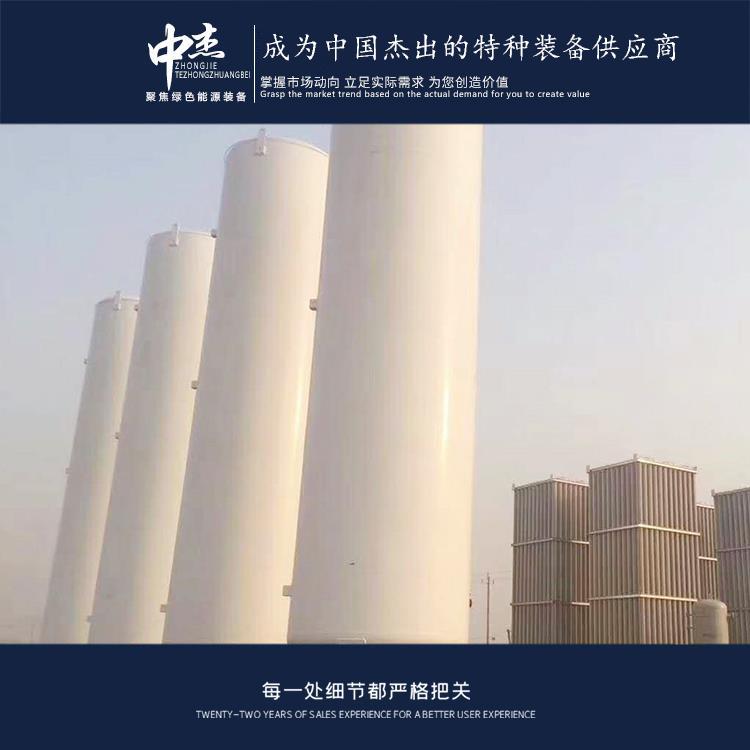
The testing and maintenance of liquid oxygen storage tanks are crucial for ensuring safe operation and extending their lifespan. Below is a general outline of the testing and maintenance procedures for liquid oxygen storage tanks:
- **Visual Inspection**: Conduct regular visual inspections of the liquid oxygen storage tank to check for corrosion, wear, and cracks on the surface. If any anomalies are found, promptly repair or replace them.
- **Internal Cleaning**: Regularly clean the interior of the liquid oxygen storage tank to remove accumulated impurities and dirt. Be cautious to use appropriate cleaning agents and tools to prevent damage to the tank.
- **Level Measurement**: Perform regular level measurements to ensure the liquid level within the storage tank is within the safe range. Use level gauges or other measuring equipment and record the results.
- **Pressure Testing**: Conduct regular pressure tests to verify the tank's pressure-bearing performance. Pay attention to controlling pressure and time during testing to ensure safety and accuracy.
- **Leak Detection**: Regularly check for leaks to ensure the tank's sealing integrity. Use leak detection instruments, such as gas detectors or foam leak detectors.
- **Valve and Pipe Inspection**: Regularly inspect the valves and pipe connections of the liquid oxygen storage tank to ensure proper sealing and no leakage. Address any issues promptly with repairs or replacements.
- **Maintenance Records**: Keep records of the testing and maintenance activities, including inspection dates, contents, and results. These records help track maintenance history and issue resolution.
- **Routine Maintenance**: Develop a routine maintenance plan based on the tank's usage and requirements. Maintenance includes lubrication, bolt tightening, and seal replacement to ensure normal operation.
Our company places great emphasis on technological innovation and R&D design. We possess one municipal-level enterprise technology center in Heze City, and have established testing facilities for non-destructive testing, physical and chemical testing, welding testing, hydrostatic testing, etc. We are equipped with over 600 types of instruments and equipment, including CNC machine tools, X-ray flaw detectors, digital ultrasonic flaw detectors, mechanical property testing machines, chemical analyzers, spectrometers, tensile testing machines, plasma welding machines, and more. The key products and technologies we have developed, such as temperature and pressure vessel welding, biomass boiler emission reduction, and waste heat utilization, have successively been selected for multiple Shandong Provincial Department of Industry and Information Technology Science and Technology Innovation Projects, Shandong Provincial Key Projects, and Heze City Innovation and Excellence Projects, among other provincial and municipal science and technology projects. We have cumulatively obtained 27 authorized utility model patents, 16 authorized invention patents, participated in drafting 2 standards, 2 industry standards, and registered 15 trademarks. Our technical team, in collaboration with Professor Yajiang Li from Shandong University, has developed deep cryogenic container processing technology, utilizing the international plasma arc + filler wire tungsten inert gas arc combination welding (PAW-GTAW) technology. After provincial-level scientific and technological achievement appraisal, the technology level has reached an international standard in the field of deep cryogenic container manufacturing. Choose Zhongjie Special Equipment, and let's create brilliance together!
WeChat Official Account

Scan to follow Official Account




















