



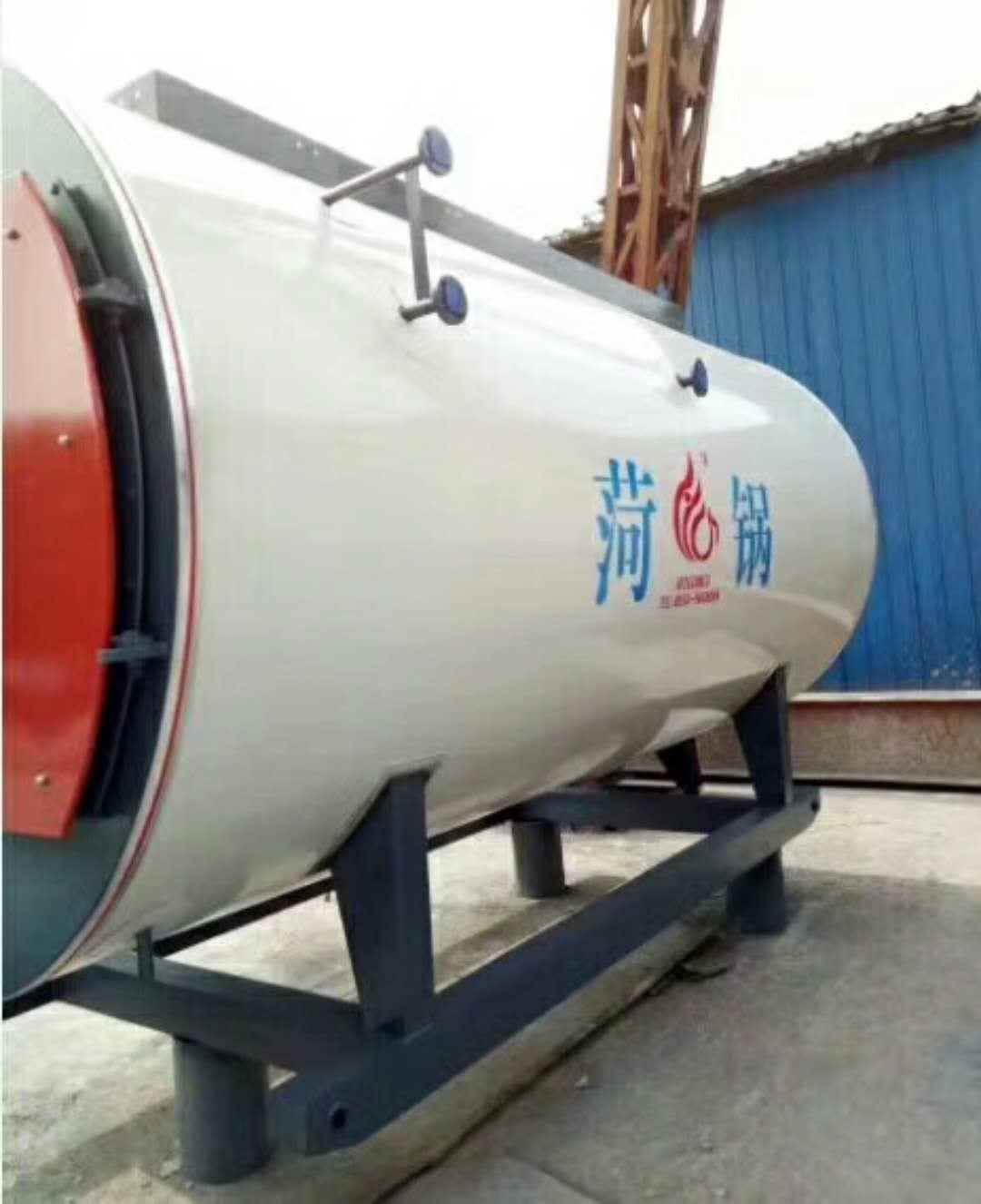
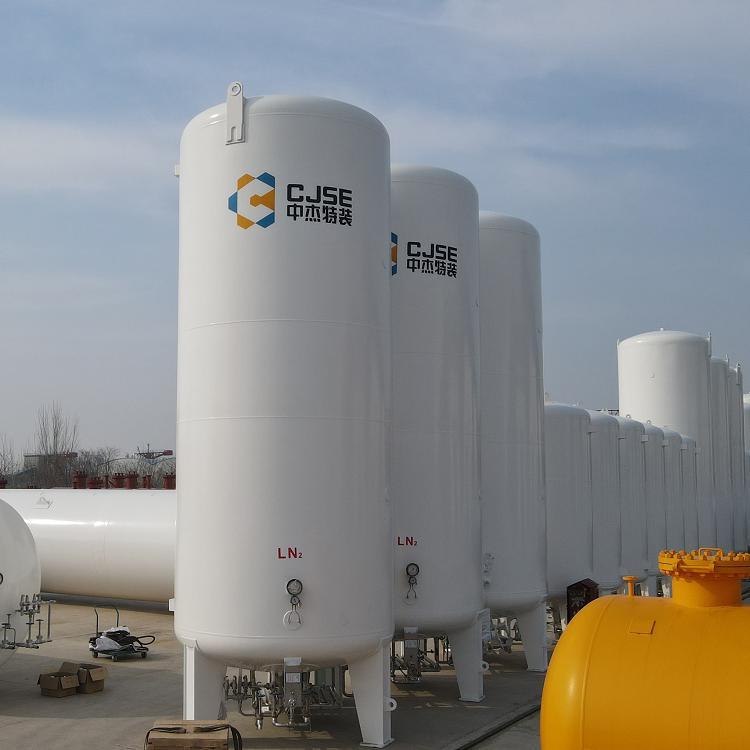



















Shandong Zhongjie Special Equipment (formerly Heze Boiler Factory Co., Ltd.) holds an A-grade boiler manufacturing license, an A2-grade pressure vessel manufacturing license, an A2-grade pressure vessel design license, a B-grade boiler installation license, and GB2/Class, GC2/Class pressure pipeline installation licenses, as well as an equipment and machinery installation contracting qualification. It is a member of the China Boiler and Water Treatment Association, the China Chemical Equipment Association, and the council member of the Shandong Equipment Manufacturing Association. The company has also passed certifications for the ISO9001 Quality Management System, ISO14001 Environmental Management System, OHSAS18001 Occupational Health and Safety Management System, and the American ASME/U2 certification.
The use of liquid oxygen storage tanks requires special attention to the following safety matters:
Training: Operators of liquid oxygen tanks must undergo training to understand the properties of liquid oxygen, safety operating procedures, and emergency response measures. Only trained personnel are authorized to handle liquid oxygen tanks.
Safety Operating Procedures: Establish and adhere to the safety operating procedures for liquid oxygen tanks, including proper operational procedures, protective measures, and emergency response plans. Ensure operators follow the procedures to minimize accident risks.
Protective Measures: When using liquid oxygen tanks, it is mandatory to take necessary protective measures, such as wearing protective gloves and suits. Avoid direct contact with liquid oxygen to prevent frostbite.
Leak Control: Regularly inspect the liquid oxygen storage tank for leaks and equip with leak detectors and alarm systems. In the event of a leak, immediate action should be taken to control and repair the leak.
Fire Prevention Measures: Liquid oxygen contains a high oxygen concentration, which is prone to causing fires. To prevent and contain fires, fireproof walls and fire-resistant coatings are set up around the liquid oxygen storage tanks.
Static Protection: Electrostatic accumulation in liquid oxygen tanks may cause sparks, increasing the risk of fire. Measures such as using static conductive materials and anti-static equipment are taken to reduce the accumulation and release of static electricity.
Ventilation Requirements: Ensure adequate ventilation within the enclosed space of the liquid oxygen storage tank to expel vapors produced by the evaporation of liquid oxygen.
In pressure vessel design, several common "thickness" parameters need to be considered:
Wall Thickness: Refers to the actual thickness of the pressure vessel wall, i.e., the thickness of the container wall. The selection of wall thickness should consider factors such as the design pressure of the container, the strength of the material, and its corrosion resistance, to ensure the strength and safety of the container.
Bend Allowance: The bend allowance refers to the additional thickness added to the wall thickness during the manufacturing process to ensure the strength and shape of the container's bending section. The calculation and selection of the bend allowance should consider factors such as the container's bending radius and the material's bendability.
Corrosion Allowance: The corrosion allowance refers to the additional thickness added to the wall to account for internal or external corrosion effects on the container. The selection of the corrosion allowance must consider the working environment of the container and the corrosive properties of the medium it encounters, to ensure the container can withstand the effects of corrosion throughout its service life.
These "thickness" parameters play a crucial role in pressure vessel design, affecting the vessel's strength, corrosion resistance, and safety. During the design process, it is necessary to select and calculate these thickness parameters rationally, based on relevant standards and specifications, in conjunction with the vessel's usage conditions and requirements, to ensure that the design and manufacturing meet the required standards.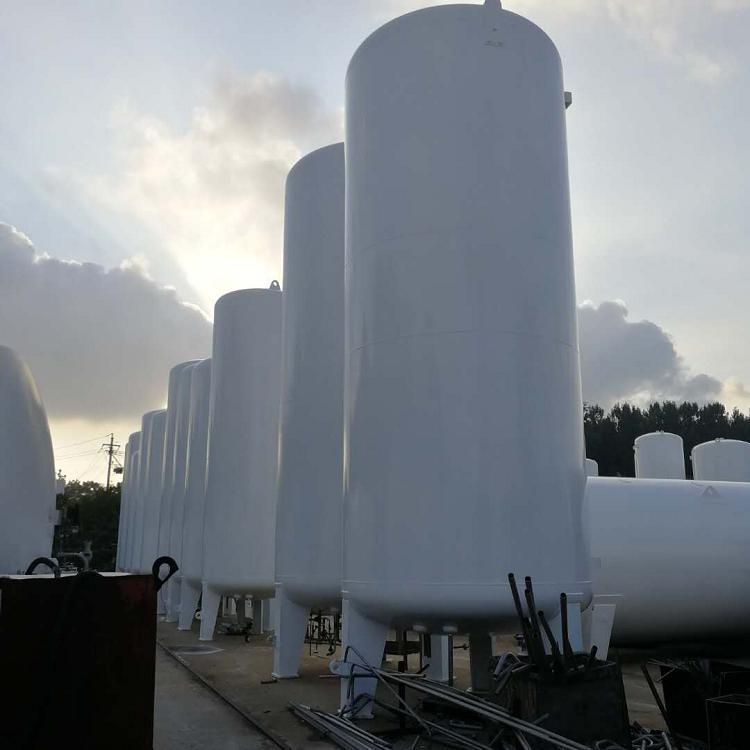
To prevent liquid oxygen tanks from bursting, the following measures can be taken:
Regular Inspections and Maintenance: Conduct regular inspections and maintenance of the liquid oxygen storage tank, including checking the tank's appearance, welds, valves, and connections, to ensure they are intact and damage-free. Regularly clean the tank to remove any dirt and impurities adhering to its surface.
Pressure Control: Storage tanks should be equipped with pressure control devices to ensure internal tank pressure remains within safe limits. Regularly inspect and adjust the pressure control devices to ensure proper operation.
Temperature Control: The liquid oxygen tank should be maintained within an appropriate temperature range to avoid increased pressure due to excessive heat. Ensure the tank's insulation is intact to minimize heat conduction and loss.
Fire Prevention Measures: Liquid oxygen has a high oxygen content and flammability, so strict fire prevention measures must be taken. A fire separation zone should be established around the storage tank, and smoking and open flames are prohibited. Ensure that the storage tank maintains a certain fire separation distance from other facilities.
Pressure relief devices and safety valves: Liquid oxygen storage tanks should be equipped with pressure relief devices and safety valves to prevent overpressure and sudden pressure increases. Regularly inspect and test the operational status of the pressure relief devices and safety valves to ensure their proper functioning.
Tank Operation Guidelines: Adhere strictly to the operational specifications and safety requirements for liquid oxygen tanks. Operators must be trained and familiar with the tank's characteristics and operating techniques. Avoid operational errors and violations.
Emergency Preparedness: Establish emergency response plans and conduct drills to address potential accidents. Train operators in emergency response capabilities to ensure timely and effective handling.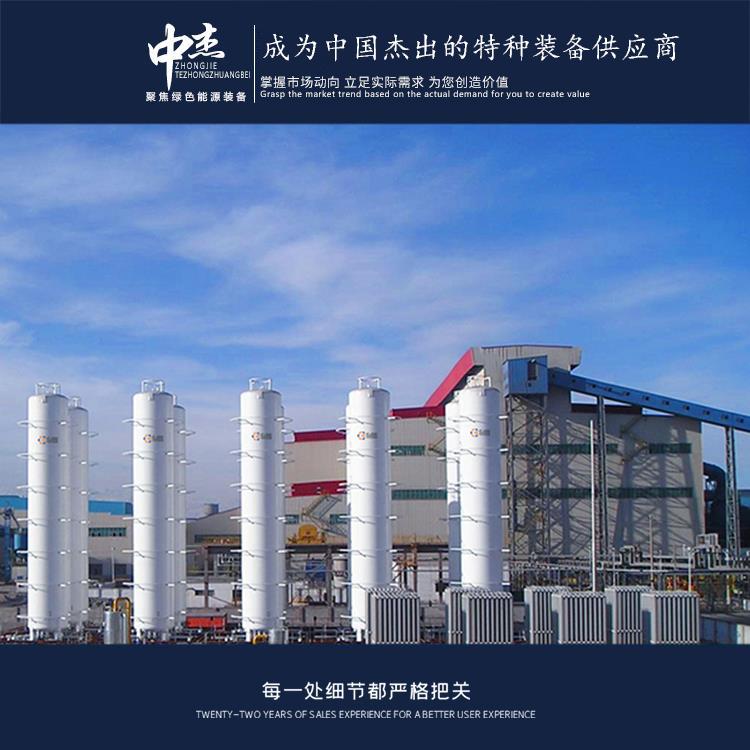
The normal pressure range for liquid oxygen tanks typically falls between 2-5 bar. This range refers to the oxygen pressure inside the tank, which is necessary to maintain the liquid oxygen in its liquid state. The design and manufacturing of liquid oxygen tanks should comply with relevant standards and specifications to ensure the tank can safely withstand this pressure range under normal operating conditions. It should be noted that the pressure in liquid oxygen tanks can be affected by various factors, such as the temperature of the liquid oxygen, tank design, and materials. In actual use, the normal pressure range of the tank should be determined based on specific tank design and operational requirements, and operations and maintenance should be conducted in accordance with relevant regulations and standards. Additionally, liquid oxygen tanks should be equipped with pressure control devices, such as pressure valves or relief devices, to ensure that the internal pressure of the tank remains within a safe range. These devices can automatically release gas when pressure exceeds the set value, ensuring the safety of the tank. Regular inspection and maintenance of these pressure control devices should be conducted when using liquid oxygen tanks to ensure they are functioning properly.
Zhong Jie Special Equipment upholds the great vision of "realizing employees' dreams, creating value for customers, and striving for the prosperity and strength of our motherland," focusing solely on the development of green energy equipment industry, and devoting high-value products and services to society!
WeChat Official Account

Scan to follow Official Account




















