


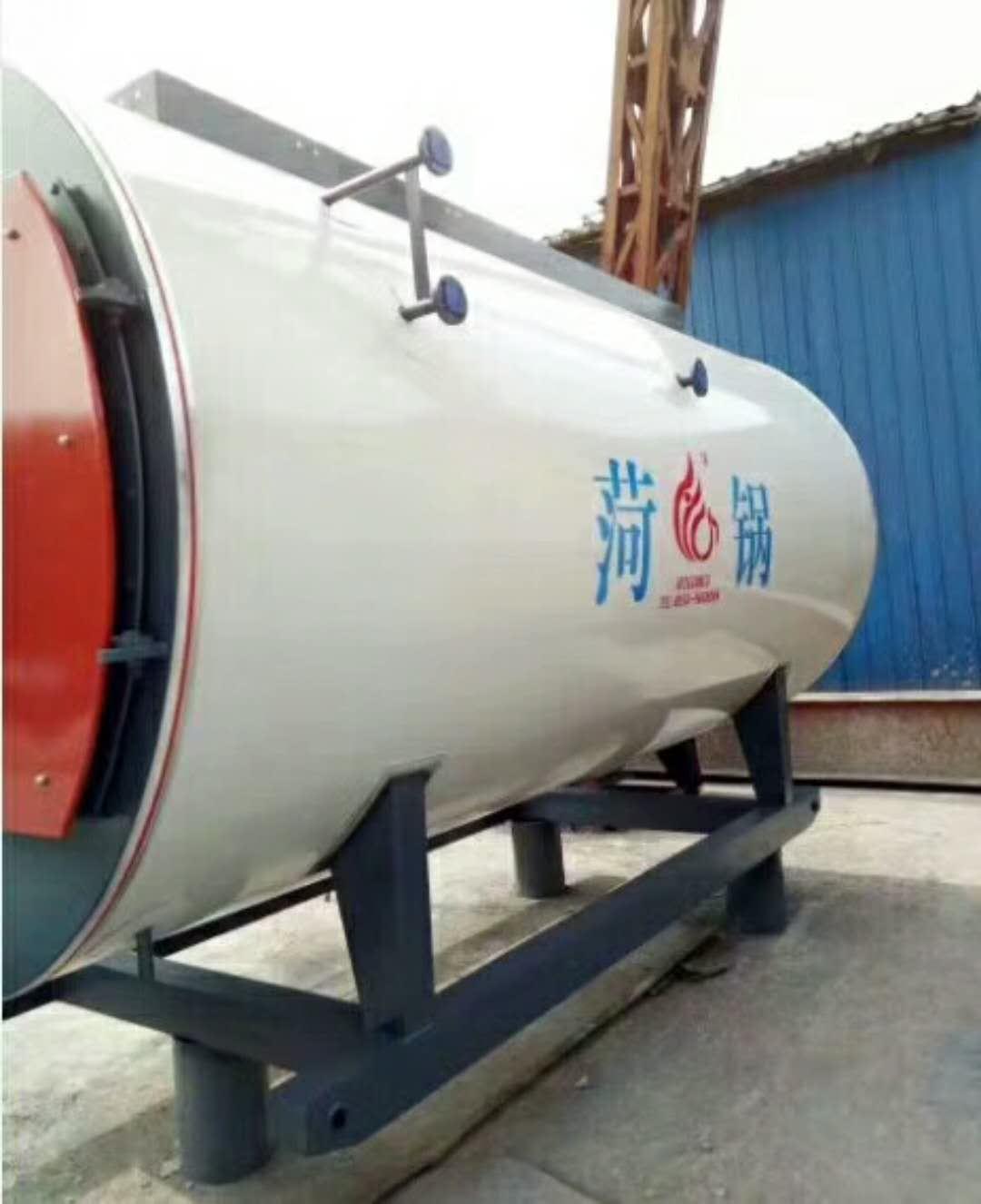


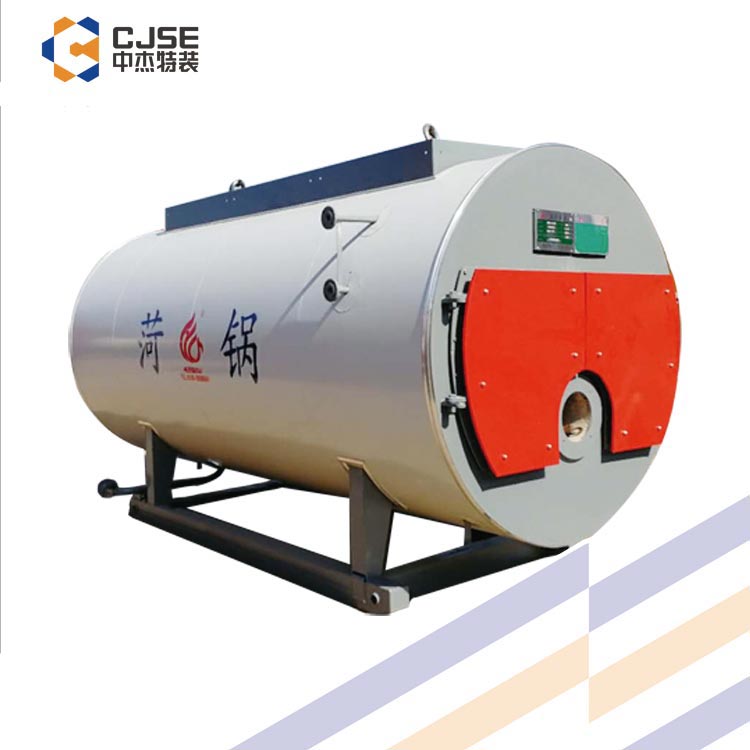



















Shandong Zhongjie Special Equipment specializes in products such as fuel (gas) boilers, organic heat carrier boilers, biomass boilers, waste heat recovery boilers, and other boiler products; vacuum insulation cryogenic pressure vessels like LNG, oxygen-nitrogenargon, and CO2 tanks; pressure vessel products including denitrification engineering equipment, heat storage and energy storage equipment, and complete chemical equipment sets; central air conditioning and HVAC equipment like ground (water) source heat pumps, air source units, water-cooled screw units, and air-cooled modular units. Planned products include large-scale energy centers, LNG transport vehicles, LNG tank containers, and other green energy equipment.
Steam boiler blowdown devices mainly include the following types: Blowdown Valve: A blowdown valve is commonly installed on steam boilers to discharge wastewater and impurities from within the boiler. Typically located at the bottom or side of the boiler, opening the valve allows wastewater to be expelled, maintaining the cleanliness of the boiler interior. Blowdown Pump: For large steam boilers or situations requiring long-distance wastewater discharge, a blowdown pump may be used. The pump can extract wastewater from the boiler and transport it through pipes to designated discharge points. Automatic Blowdown System: Some steam boilers may be equipped with an automatic blowdown system. These systems can automatically discharge wastewater from the boiler based on set time intervals or wastewater concentration, enhancing the efficiency and accuracy of blowdown. Wastewater Treatment Equipment: In certain cases, steam boilers may require wastewater treatment equipment. These devices process the discharged wastewater to remove impurities and pollutants, meeting environmental protection requirements. It is important to note that the selection and use of steam boiler blowdown devices should be determined based on the specific type, scale, and operating environment of the boiler. When using blowdown devices, it is essential to follow relevant operational procedures and safety requirements to ensure a safe and effective blowdown process.
Yes, durable thermal oil boilers typically have a longer lifespan. Here are some reasons:
Material Quality: Thermal oil boilers are made from high-quality materials, such as heat-resistant and corrosion-resistant steel and alloy materials. These materials can withstand high temperatures and pressure, offering good durability and corrosion resistance, thereby extending the boiler's lifespan.
Design and Manufacturing Process: Durable thermal oil boilers usually employ robust design and manufacturing processes. Reasonable structural design and precise manufacturing techniques reduce stress concentration and thermal stress, enhancing the boiler's stability and durability.
Regular Maintenance and Care: Regular maintenance and care of thermal oil boilers are crucial for extending their lifespan. Regularly cleaning and inspecting the internal pipes, flues, and burners, and promptly replacing worn-out parts, can minimize malfunctions and damage, thus extending the boiler's life.
Proper Operation and Management: Correct operation and management are also significant factors in ensuring the lifespan of thermal oil boilers. Operators should follow the operation manual and procedures, avoid overloading and improper operation, and ensure the boiler operates safely and stably.
It is important to note that even durable thermal oil boilers require regular inspections and maintenance to ensure proper operation and extend their lifespan. Moreover, the lifespan of the boiler is also affected by factors such as the operating environment, load conditions, and operational methods. Therefore, reasonable use and maintenance are key to ensuring the longevity of thermal oil boilers.
The decline in the consumption of thermal oil boilers can be attributed to several factors:
1. Combustion Technology: Modern thermal oil boilers employ advanced combustion technologies such as premixed combustion and afterburning, which ensure complete fuel combustion, enhance thermal energy utilization, and thereby reduce energy consumption.
2. Heat Recovery and Utilization: Thermal oil boilers typically generate a significant amount of excess heat during flue gas emissions. By utilizing heat recovery systems like flue gas heat recovery boilers or flue gas heat exchangers, the excess heat in flue gases can be recovered and reused, improving energy efficiency and reducing energy consumption.
3. Intelligent Control Systems: Contemporary thermal oil boilers are equipped with intelligent control systems capable of real-time monitoring and adjustment of operational parameters such as temperature, pressure, and flow rate. Through precise control and regulation, these systems ensure optimal boiler operation, avoiding unnecessary energy waste and loss.
4. Energy-saving Retrofitting and Optimization: For older thermal oil boilers, energy-saving retrofitting and optimization can be performed. This includes installing energy-saving equipment like variable-frequency drives and modified burners to enhance energy efficiency. Additionally, optimizing the boiler system, such as improving pipe insulation and reducing leaks, can further reduce energy loss.
5. Energy Management and Maintenance: Effective energy management and regular equipment maintenance are crucial factors in reducing energy consumption. Through reasonable energy management measures like energy monitoring, metering, and fostering energy-saving awareness, issues of energy waste can be identified and addressed. Regular equipment maintenance ensures smooth operation and prevents unnecessary energy loss.
In summary, the decline in energy consumption of thermal oil boilers can be achieved through combustion technology, heat recovery and utilization, intelligent control systems, energy-saving retrofitting and optimization, and effective energy management and maintenance.
The main benefits of installing expansion tanks in a thermal oil furnace are as follows:
- Alleviate thermal expansion and contraction: During operation, the thermal oil furnace experiences thermal expansion and contraction due to temperature changes. The expansion tank provides space for the thermal oil to expand, mitigating the impact of thermal expansion and contraction on equipment and pipelines, and preventing stress concentration and equipment deformation caused by these phenomena.
- Protect equipment and pipelines: The expansion tank absorbs the expansion and contraction of the thermal oil, reducing impact and vibration on equipment and pipelines. This helps extend the service life of equipment and pipelines, and decrease the frequency of maintenance and replacement.
- Reduce leakage risk: The expansion tank provides a sealed space, minimizing the risk of thermal oil leakage. When the thermal oil expands, excess oil can be accommodated through the expansion tank, preventing leaks and environmental pollution.
- Facilitate maintenance and repairs: The presence of an expansion tank makes it easier to maintain and repair the thermal oil furnace system. When repairs or replacements are needed for equipment or pipelines, the expansion tank can control the flow and stoppage of thermal oil, reducing downtime and the difficulty of maintenance.
- In summary, the expansion tank plays a role in alleviating thermal expansion and contraction, protecting equipment and pipelines, reducing leakage risk, and facilitating maintenance and repairs in the thermal oil furnace system. It is an important design element that contributes to the safety and reliability of the system.
Zhong Jie Special Equipment adheres to the great vision of "realizing employees' dreams, creating value for customers, and striving for the prosperity and strength of our motherland," and is dedicated to the development of the green energy equipment industry. We offer society products and services with high cost-performance!
WeChat Official Account

Scan to follow Official Account




















