


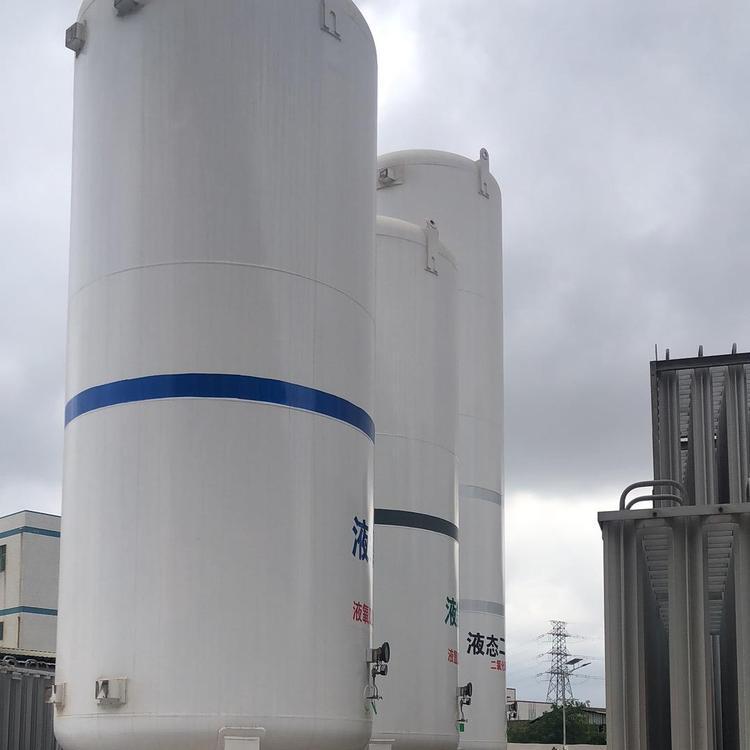

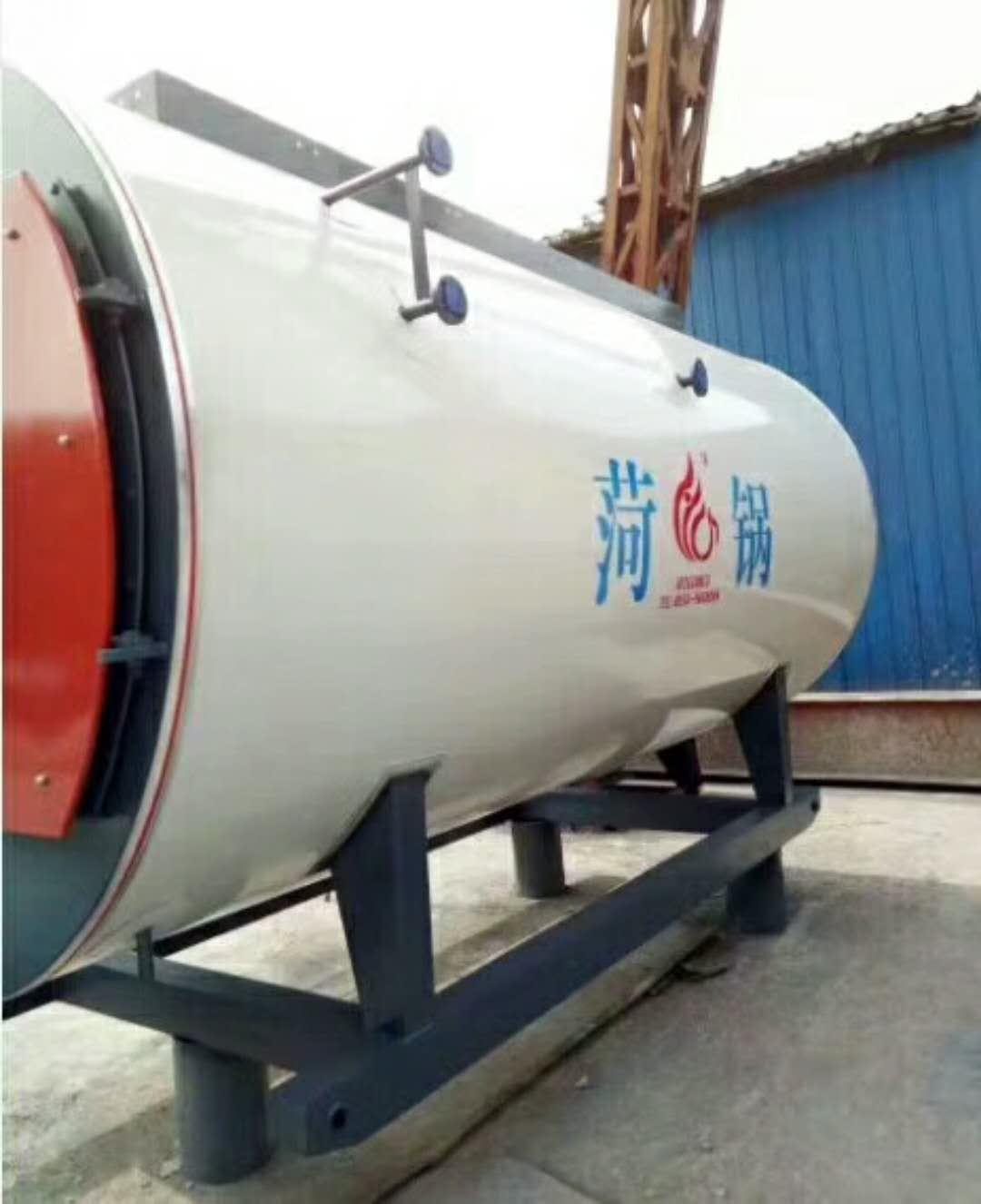



















Shandong Zhongjie Special Equipment (formerly Heze Boiler Factory Co., Ltd.) was established in 2001, located at No. 2218 Jinnan Road, Economic Development Zone, Heze City, with a registered capital of 50 million yuan and total assets of 500 million yuan. The company has seven business centers: boiler, deep-freeze containers, pressure vessels, central air conditioning, engineering installation, international trade, and the Internet of Things. It has three factory areas on Jinnan Road, East Yangtze Road, and Bohai Road, covering a total of 200,000 square meters. The main workshop spans 83,000 square meters. It currently employs 710 people, including 247 engineers and technicians, and 82 middle-level technicians. It was recognized as a "High-tech Enterprise" by the Science and Technology Department in December 2016, named a "Shandong Specialized and New Enterprise" by the Industry and Information Technology Department in June 2021, designated as a "Shandong Gazelle Enterprise" in June 2022, and identified as a "Specialized and New Small Giant Enterprise" by the Ministry of Industry and Information Technology in August 2022.
When cooling carbon dioxide tanks, be mindful of the following points and familiarize yourself with the basic steps of the cooling process:
Cautionary Notes:
- Safety: Pay attention to safety during the cooling process to ensure the safety of operators and the surrounding environment. Adhere to relevant safety operation procedures and standards, and use appropriate personal protective equipment.
Equipment Selection: Choose the appropriate cooling equipment and tools, such as cooling media (e.g., liquid nitrogen), coolers, and cooling systems. Select the appropriate cooling equipment based on the tank's size and requirements.
Temperature Control: Control the temperature during the cooling process to avoid overcooling or insufficient temperature. Determine the appropriate cooling temperature range based on the tank's design requirements and operating conditions.
Cooling Process Analysis:
- Preparations: Ensure there are no residual gases or impurities inside the tank to avoid affecting the cooling effect. Check the tank's sealing and the operation status of the safety valve.
Cooling Media Injection: Inject the cooling media (e.g., liquid nitrogen) into the tank to lower the tank's temperature. Control the injection speed and quantity during the process to avoid over-injection leading to excessive pressure.
Cooling Time: Determine the cooling time based on the tank's size and requirements. The cooling time typically needs to be long enough to ensure the carbon dioxide inside the tank is fully cooled and liquefied.
Temperature Monitoring: Regularly monitor the tank's temperature during the cooling process to ensure it remains within the appropriate range. Use temperature sensors or infrared thermometers for monitoring.
Cooling Completion: The cooling process is complete when the tank reaches the predetermined cooling requirements. At this point, the carbon dioxide inside the tank should be in a liquid state.
Note that the specific cooling process and steps may vary due to different tank designs and usage scenarios. When conducting cooling operations, follow relevant safety operation procedures and standards to ensure safety and effectiveness.
Additionally, the use of liquid carbon dioxide storage tanks must adhere to specific industry standards and regulations depending on the industry and application scenario. For instance, when using liquid carbon dioxide storage tanks in the food and beverage industry, compliance with food safety and hygiene standards is required. It is important to note that different regions may have varying standards and regulations for the use of liquid carbon dioxide storage tanks. Therefore, operations and usage should be conducted in accordance with local laws and standards.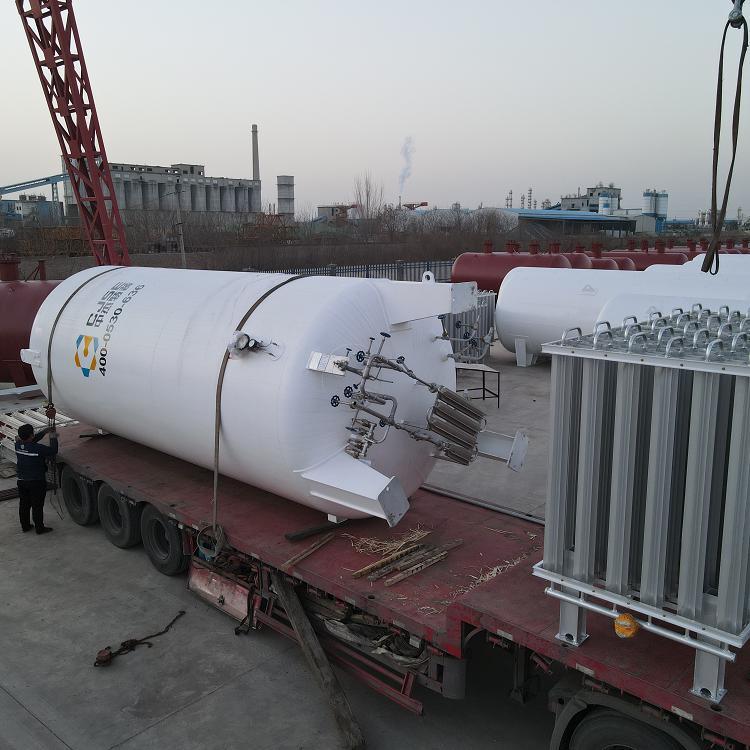
Key measures to ensure the quality of carbon dioxide storage tanks include the following aspects:
1. Selecting qualified suppliers: Choose suppliers with a good reputation and experience, ensuring their tanks meet relevant quality standards and regulations. This can be achieved by evaluating supplier qualifications, referring to customer reviews, and conducting on-site inspections.
2. Strict quality control: Implement strict quality control measures during the manufacturing process. This involves selecting and inspecting raw materials, controlling production processes, monitoring process parameters, and conducting product testing and inspections to ensure the tanks meet quality requirements.
3. Compliance with standards and specifications: The design, manufacturing, and installation of the tanks should adhere to relevant standards and specifications, such as industry standards and regulations. These include the structural design of the tank, material selection, welding processes, corrosion protection measures, and the configuration of safety valves and pressure sensors.
4. Regular inspections and maintenance: Tanks require regular inspections and maintenance during use to ensure safety and reliability. This includes checking the tank's appearance, seal integrity, valves, and pipe connections, conducting regular pressure tests and leak detection, and addressing abnormal situations promptly.
5. Establishing a quality management system: Set up a comprehensive quality management system, including quality control procedures, documentation, quality training, and internal audits. This ensures the continuous improvement and control of tank quality.
6. Third-party testing and certification: Entrust third-party organizations to conduct testing and certification for the tanks to verify their quality and compliance. Third-party testing and certification agencies are typically independent and impartial, providing objective assessment and certification results.
By implementing these measures, the quality of carbon dioxide storage tanks can be effectively ensured, enhancing their safety and reliability.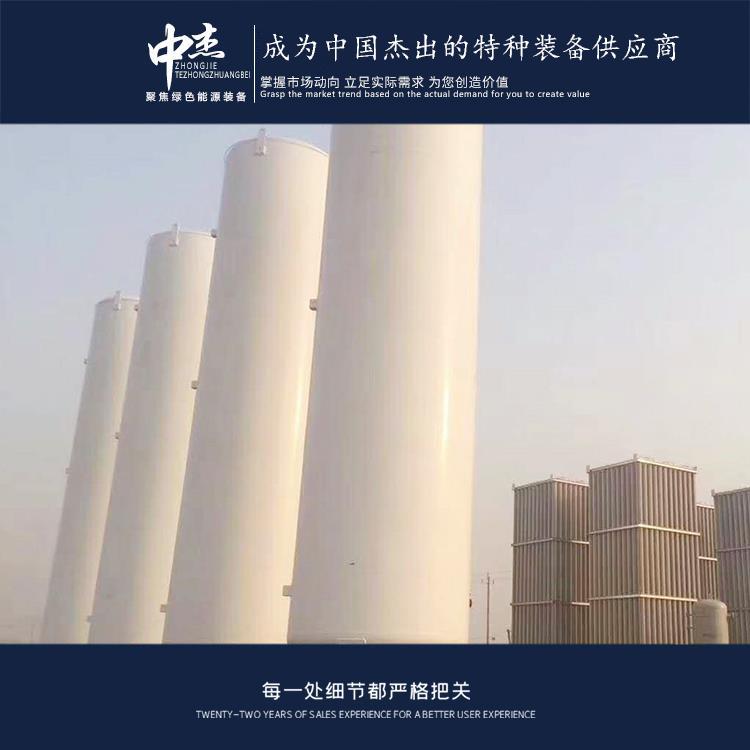
Carbon dioxide has wide applications in the field of food freezing. Below are some common uses of carbon dioxide in food freezing:
1. Frozen Food Processing: Carbon dioxide is often used in the processing of frozen foods. By exposing the food to liquid carbon dioxide, the temperature can be rapidly reduced, achieving quick freezing. This quick freezing effectively preserves the quality, texture, and nutritional value of the food.
2. Frozen Storage: Carbon dioxide is also used for the frozen storage of food. During the storage process, the food is placed in a low-temperature environment, and through the refrigerating effect of carbon dioxide, the temperature of the food is lowered below the freezing point, thereby extending the shelf life of the food.
3. Frozen Transportation: Carbon dioxide plays a crucial role in the frozen transportation of food. By using carbon dioxide refrigeration technology during transportation, the low-temperature state of the food can be maintained, preventing quality loss.
4. Frozen Display: In the retail food industry, carbon dioxide is also used in frozen display cabinets. By injecting carbon dioxide gas into the display cabinet, the low-temperature state of the food can be maintained, showcasing the food while preserving its freshness and quality.
Compared to traditional freezing techniques, carbon dioxide freezing offers advantages such as faster freezing, better freezing effects, and minimal impact on food quality. However, safety operation is crucial when using carbon dioxide freezing technology to avoid leaks and harm to humans. Therefore, when using carbon dioxide for food freezing, it is necessary to follow relevant safety operation procedures and guidelines.
Zhongjie Special Equipment upholds the grand vision of "realizing employees' dreams, creating value for customers, and striving for the prosperity and strength of our motherland," and is dedicated to the development of the green energy equipment industry. We offer society high-value products and services!
WeChat Official Account

Scan to follow Official Account




















