



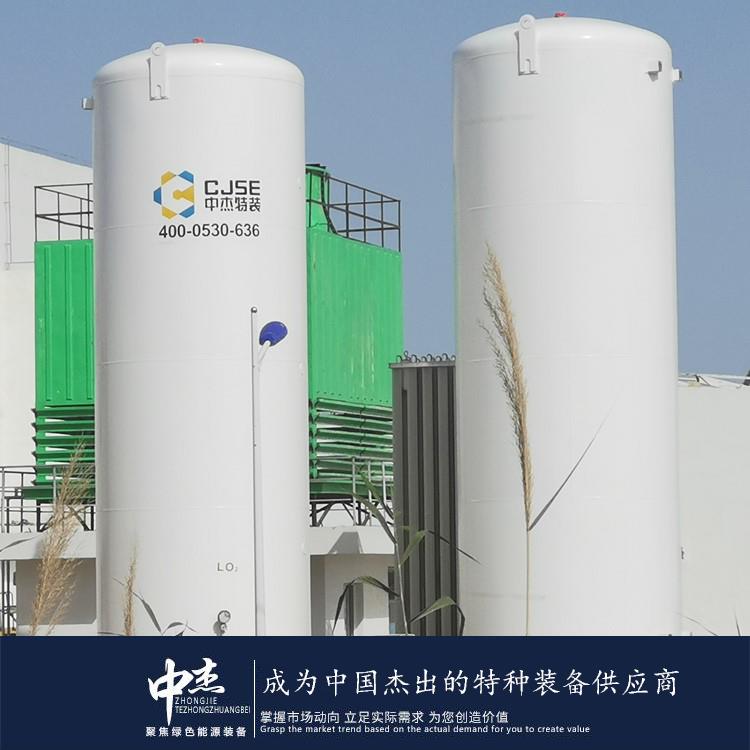



















Shandong Zhongjie Special Equipment (formerly Heze Boiler Factory Co., Ltd.) was established in 2001, located at No. 2218 Jinnan Road, Development Zone, Heze City. With a registered capital of 50 million yuan and total assets of 500 million yuan, the company has 7 business centers: boilers, deep-freezing containers, pressure vessels, central air conditioning, engineering installation, international trade, and Internet of Things. It has three factory sites on Jinnan Road, East Changjiang Road, and Bohai Road, covering a total of 200,000 square meters, with the main workshop spanning 83,000 square meters. It currently employs 710 people, including 247 engineers and technicians and 82 intermediate-level technicians. In December 2016, it was recognized as a "High-tech Enterprise" by the Science and Technology Department. In June 2021, it was identified as a "Specialized and New Enterprise in Shandong Province" by the Ministry of Industry and Information Technology. In June 2022, it was recognized as a "Gazelle Enterprise in Shandong Province" and in August 2022, as a "Specialized and New Small Giant Enterprise" by the Ministry of Industry and Information Technology.
Carbon dioxide has several key applications in the battery industry:
- Solvent in electrolytes: Carbon dioxide can serve as one of the solvents in battery electrolytes. In certain battery types, it can be mixed with organic solvents to enhance the performance and stability of the electrolyte.
- Protective gas in battery manufacturing: During battery production, carbon dioxide can be used as a protective gas. For instance, during assembly and encapsulation, it can replace air to prevent oxidation and corrosion of battery materials by oxygen and moisture within the battery.
- Battery performance improvement: Carbon dioxide can improve battery performance by altering the atmosphere within the battery. For example, by injecting carbon dioxide gas into the battery, pressure and temperature can be regulated, enhancing the battery's cycle life and safety.
- Carbon dioxide capture and storage: The production of batteries generates carbon dioxide emissions. Carbon dioxide capture and storage technologies can be employed to reduce these emissions. By capturing and storing carbon dioxide, atmospheric emissions can be minimized, reducing environmental impact.
- It is important to note that the application of carbon dioxide in the battery industry is continuously evolving and being researched. With technological advancements and innovation, carbon dioxide's applications in the battery field may see further breakthroughs and developments.
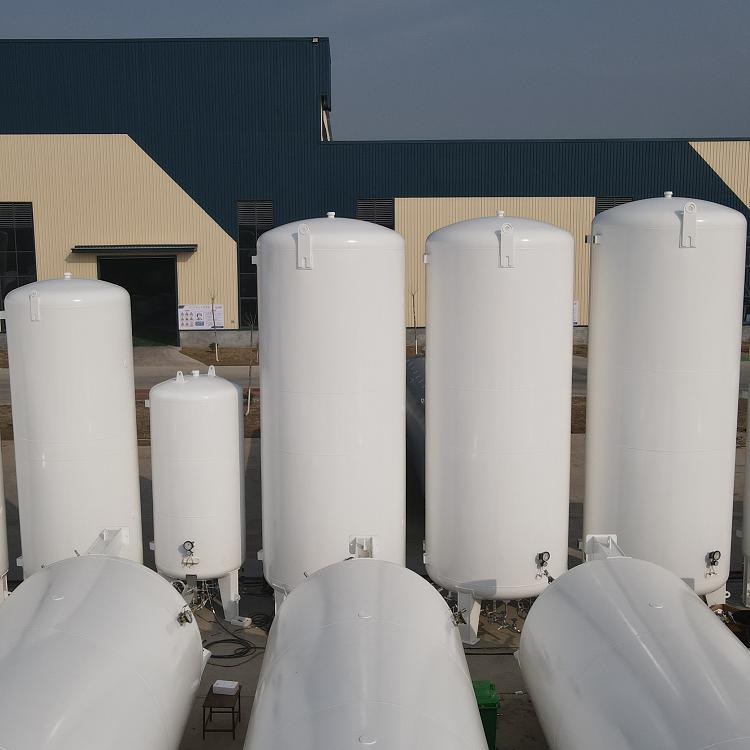
Standard parameters for carbon dioxide storage tanks can vary depending on design and application requirements. Here are some common standard parameters:
- Tank Capacity: The capacity of carbon dioxide storage tanks is typically expressed in kiloliters (L) or cubic meters (m), with common capacity ranges ranging from a few thousand to tens of thousands of liters.
- Working Pressure: The working pressure of carbon dioxide storage tanks is usually around 20 to 25 MPa at normal temperatures, with specific pressures determined by application needs and design standards.
- Design Temperature: The design temperature for carbon dioxide storage tanks is generally in the low-temperature range, typically between -40°C and -60°C, to accommodate the liquefaction and storage requirements of carbon dioxide.
- Material: Carbon dioxide storage tanks are usually made of high-strength steel or alloy materials to withstand the stresses and loads under high-pressure and low-temperature environments.
- Insulation: The interior of the tank is equipped with an insulation layer to reduce heat conduction and liquid evaporation. The insulation is typically a multi-layer structure, including insulating materials and an external protective layer.
- Safety Valve and Pressure Relief Device: Tanks are equipped with safety valves and pressure relief devices to control internal tank pressure, preventing overpressure and explosion.
- Level Monitoring and Control: The tank is fitted with level monitoring equipment to monitor the liquid level inside. Timely monitoring and control of the level ensure that the liquid stored in the tank remains within a safe range.
- Note that specific standard parameters for carbon dioxide storage tanks may vary due to different design standards, application requirements, and manufacturers. When selecting and using carbon dioxide storage tanks, it is important to consider these factors.
Construction features of CO2 storage tanks mainly include the following aspects:
Material Selection: CO2 storage tanks are typically made of carbon steel or stainless steel to ensure their corrosion and pressure resistance.
Welding Process: The welding process is crucial for the quality and safety of the tank. The welding process should comply with relevant standards and specifications to ensure the quality and strength of the welds.
Corrosion Prevention Measures: As CO2 is corrosive, both the internal and external surfaces of the tank should be treated with corrosion prevention. Common measures include applying corrosion-resistant paint, coating with a corrosion-resistant layer, or using corrosion-resistant coatings.
Safety Valves and Pressure Sensors: The tank should be equipped with safety valves and pressure sensors to monitor and control internal pressure for safe operation.
Steps for Proper Installation of CO2 Storage Tanks:
Site Preparation: Choose an appropriate site for installation, ensuring it is level, stable, and meets safety distance requirements. Clear the site of obstructions and fire sources.
Foundation Construction: Construct a foundation according to the tank's dimensions and weight, ensuring it has sufficient strength and stability to support the tank's weight and pressure.
Tank Installation: Place the tank on the foundation, ensuring proper bedding and fastening devices between the tank and foundation. Connect and secure the tank according to design requirements.
Pipe Connection: Connect the tank to the piping system as required, ensuring a good seal at the connection points to prevent leaks.
Safety Equipment Installation: Install necessary safety equipment, such as safety valves, pressure sensors, temperature sensors, etc., ensuring their proper installation and connection.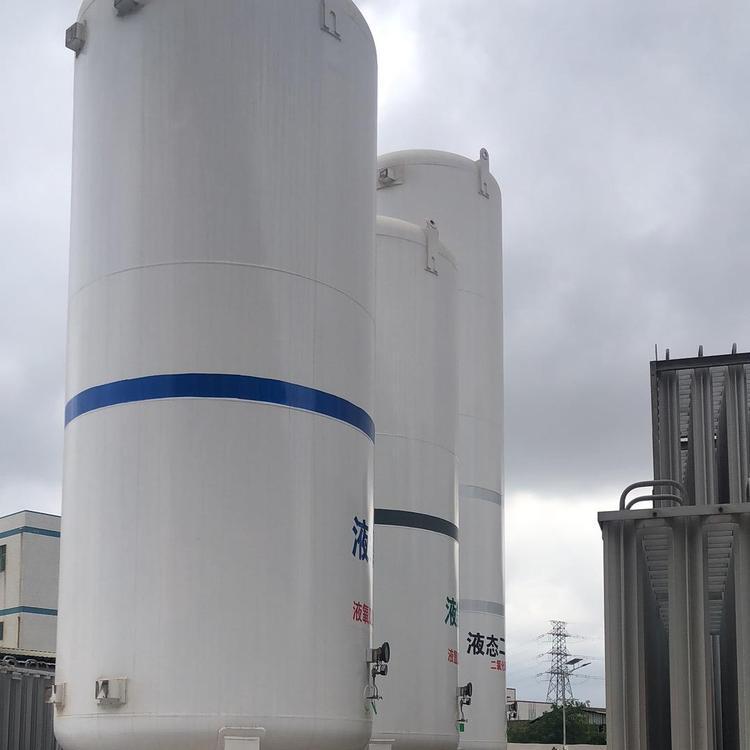
Carbon dioxide has several key applications in carbonated beverages:
1. Giving bubbles and texture: Carbon dioxide is the key ingredient responsible for creating bubbles and effervescence in carbonated drinks. When carbon dioxide dissolves in the beverage, it forms bicarbonate ions, resulting in a fizzy and bubbly texture. This texture and taste give carbonated drinks their distinctive flavor.
2. Adjusting pH levels: Carbon dioxide reacts with water to form carbonic acid, thereby regulating the pH levels of carbonated beverages. By controlling the amount of carbon dioxide dissolved, the acidity of the drink can be adjusted to achieve a desirable taste and texture.
3. Providing a refreshing sensation: The carbon dioxide bubbles in carbonated drinks can give a refreshing feeling. When consumed, the carbon dioxide bubbles stimulate the taste buds on the tongue, creating a cool and tingling sensation, enhancing the drink's taste and mouthfeel.
4. Extending shelf life: Carbon dioxide serves as a preservative in carbonated beverages. Due to its acidity and properties, it inhibits the growth of microorganisms, extending the shelf life of carbonated drinks.
It's important to note that excessive consumption of carbonated beverages may have negative health effects, such as tooth erosion and osteoporosis. Therefore, moderate consumption is recommended.
Shandong Zhongjie Special Equipment, welcome customers to visit our factory for business discussions.
WeChat Official Account

Scan to follow Official Account




















