



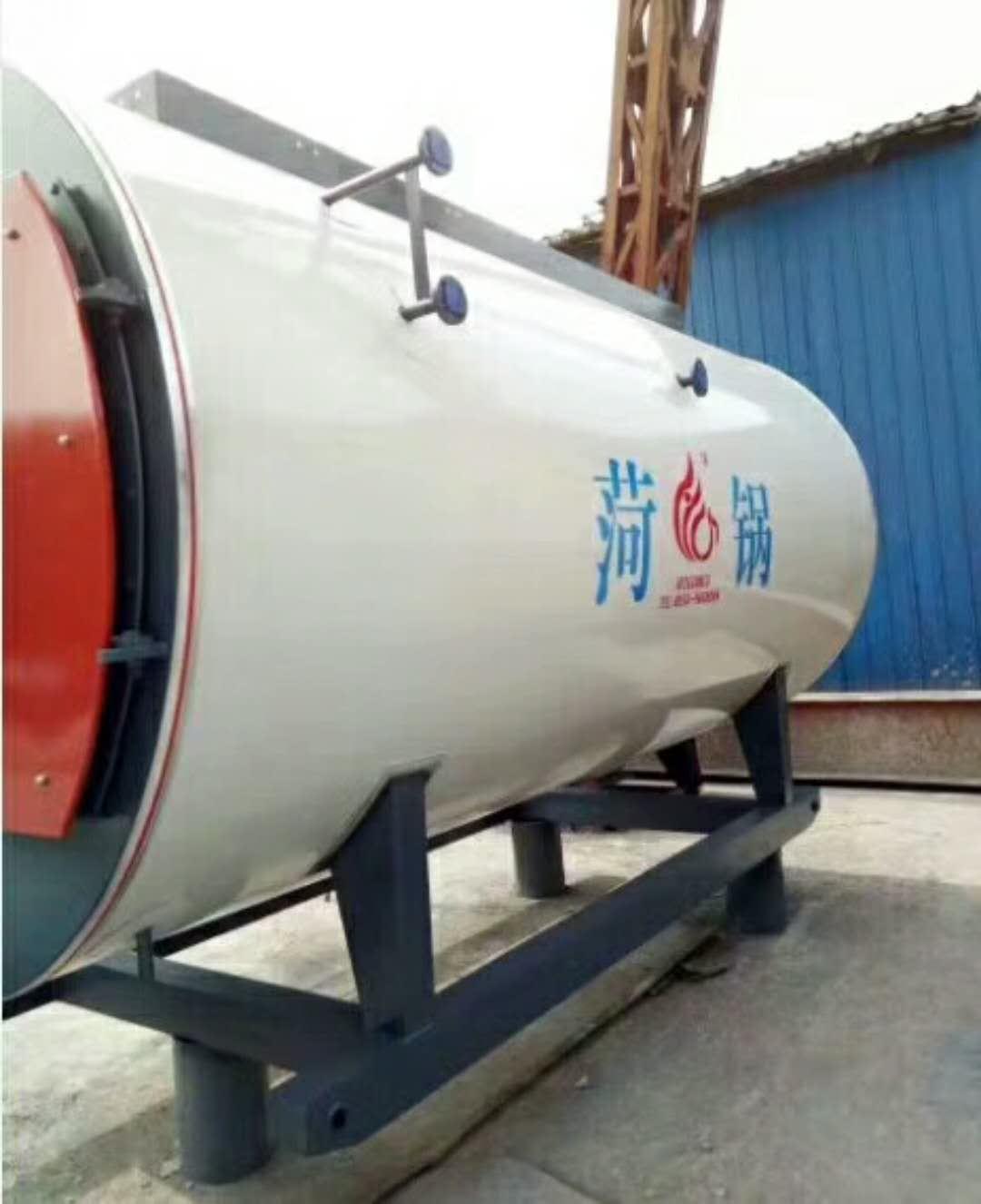
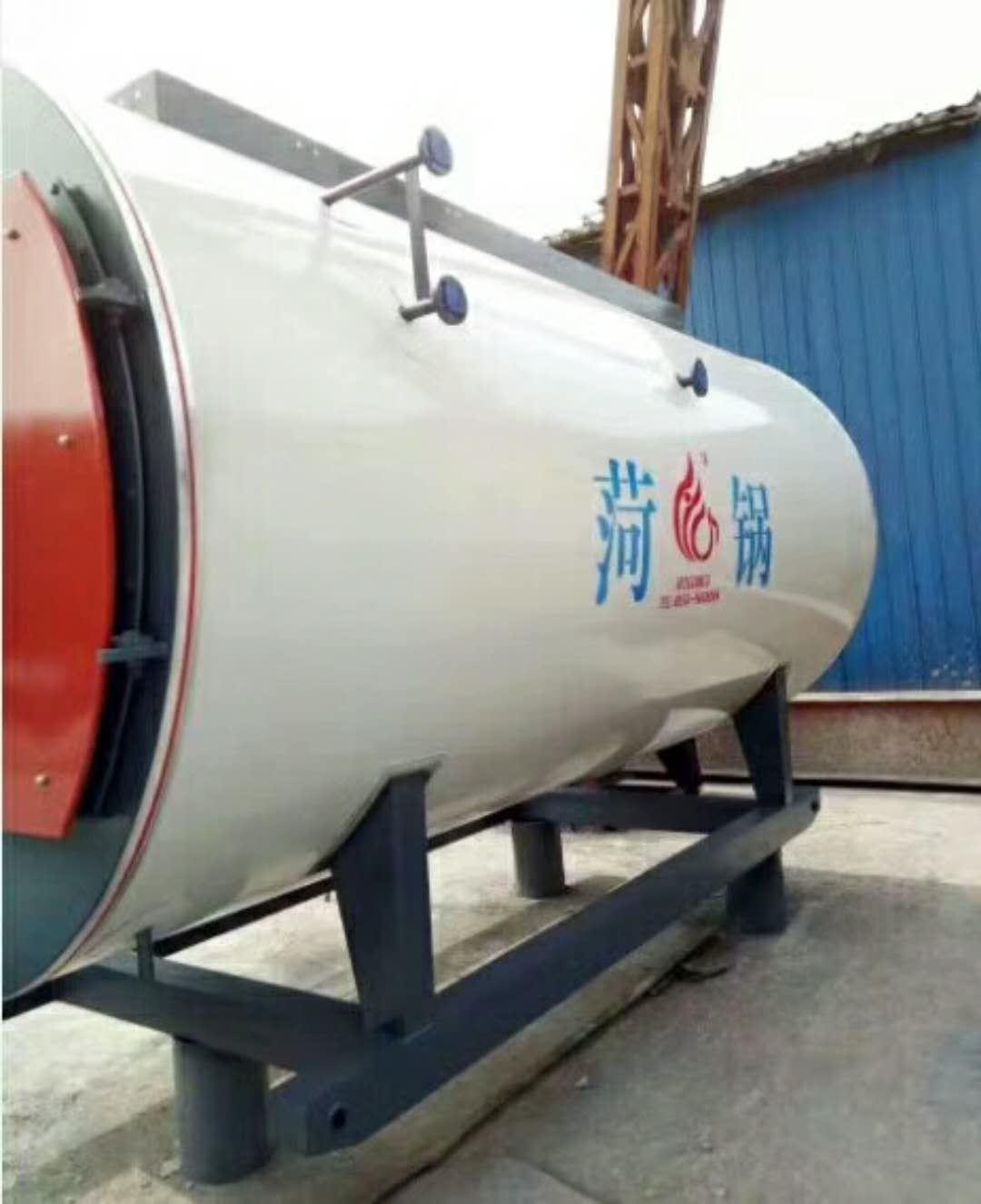



















Shandong Zhongjie Special Equipment (formerly Heze Boiler Factory Co., Ltd.) was established in 2001, located at No. 2218 Jinnan Road, Development Zone, Heze City, with a registered capital of 50 million yuan and total assets of 500 million yuan. The company has 7 business centers: boilers, deep-freeze containers, pressure vessels, central air conditioning, engineering installation, international trade, and Internet of Things. It has three factory areas on Jinnan Road, East Changjiang Road, and Bohai Road, covering a total of 200,000 square meters, with the main workshop spanning 83,000 square meters. It currently employs 710 people, including 247 engineering technicians and 82 intermediate-level technicians. In December 2016, it was recognized as a "High-tech Enterprise" by the Science and Technology Department. In June 2021, it was identified as a "Specialized and New Enterprise in Shandong Province" by the Ministry of Industry and Information Technology. In June 2022, it was recognized as a "Gazelle Enterprise in Shandong Province" and in August 2022, it was identified as a "Specialized and New Small Giant Enterprise" by the Ministry of Industry and Information Technology.
The process of using liquid oxygen storage tanks for pressure-regulated oxygen supply typically includes the following steps:
Liquid Oxygen Storage Tank Oxygen Supply System: Typically, a liquid oxygen storage tank oxygen supply system is installed, which includes a liquid oxygen storage tank, liquid oxygen transmission pipeline, and pressure regulating devices, etc. The liquid oxygen in the storage tank is transported to the pressure regulating device through the transmission pipeline.
Pressure Regulator: The pressure regulator is used to convert high-pressure liquid oxygen into the required low-pressure oxygen. It typically includes a pressure valve, a reducer, and a flow meter. The pressure valve is for controlling the oxygen pressure, the reducer is for reducing the high-pressure liquid oxygen to the desired low pressure, and the flow meter is for measuring the oxygen flow rate.
Oxygen Transmission Pipe: Low-pressure oxygen, released from the pressure-reducing device, is transported through the transmission pipe to areas requiring oxygen supply, such as hospital wards and operating rooms. The transmission pipes are typically made of stainless steel or plastic, offering excellent airtightness and corrosion resistance.
Oxygen Interface: Install oxygen interfaces at locations requiring oxygen supply, such as hospital beds or operating tables. Oxygen interfaces typically include an oxygen flow regulator and oxygen connectors, which are used to adjust the oxygen flow and connect oxygen masks or tubes.
Oxygen Supply and Regulation: Adjust the pressure and flow of oxygen through the pressure regulating valve of the pressure regulating device. Modify the flow rate and concentration of oxygen according to the patient's needs, ensuring an adequate oxygen supply for the patient.
Be mindful that when using liquid oxygen storage tanks for pressure regulation and oxygen supply, it's crucial to adhere to the relevant equipment operation and safety protocols. Operators must possess the necessary training and skills to ensure the smooth and safe operation of the oxygen supply system. Additionally, schedule regular inspections and maintenance of the system's equipment and pipelines to guarantee proper functioning and safety.
Proper placement of liquid oxygen tanks is a crucial measure to ensure they do not pose a hazard to surrounding environments or personnel during use. The following are the safety requirements for the placement of liquid oxygen tanks:
Safety Distance: Liquid oxygen storage tanks should maintain a certain distance from other buildings and equipment. This is to ensure effective control and minimize the impact on the surrounding environment in case of leaks or fires.
Fire and Explosion Prevention Measures: Liquid oxygen tanks should be placed in fire-resistant areas, away from open flames, high-temperature sources, and flammable materials. The surrounding area should be equipped with fire and explosion prevention facilities, such as fire extinguishers and foam sprinkler systems, to address potential fire risks.
Stable Placement: Liquid oxygen tanks should be placed on a sturdy, level foundation to ensure stability. The bottom of the tank should make full contact with the ground to prevent tilting or swaying.
Ventilation Requirements: Liquid oxygen tanks should be placed in a well-ventilated area to ensure the normal circulation of gas emissions and oxygen supply. There should be no obstructions around the tank that hinder gas flow.
Identification and Warning: Liquid oxygen storage tanks should be clearly marked with information such as the stored medium, capacity, and pressure. Warning signs and safety alerts should be placed in the surrounding area to remind personnel of the presence and potential hazards of the liquid oxygen storage tank.
Regular inspections and maintenance: Liquid oxygen tanks should be regularly inspected and maintained, including checking the tank's appearance, sealing, and corrosion prevention measures. Any issues found should be promptly repaired or the tank replaced to ensure proper operation and safety.
It's important to note that the safety requirements for the placement of liquid oxygen tanks may vary by region and industry. When placing liquid oxygen tanks, adhere to relevant regulations, standards, and safety procedures, and establish appropriate safety measures based on the specific situation. If you're unfamiliar with or have questions about the safety placement requirements, it's recommended to consult with experts or relevant institutions.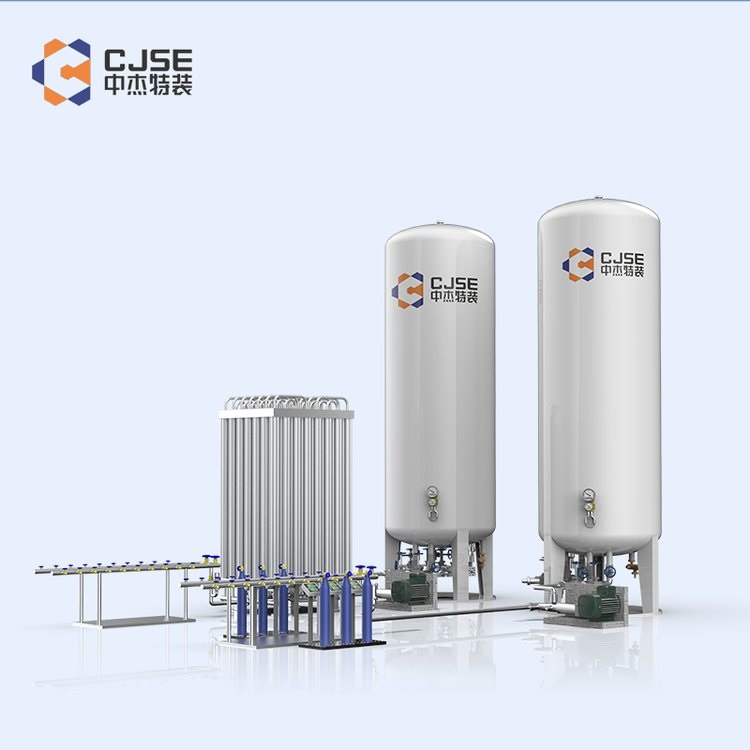
Prior to cooling the liquid oxygen tank, the following prerequisites must be met:
Clean Tanks: Ensure the interior of the tank is clean, free of impurities and contaminants. The tank should be properly cleaned and flushed to maintain its internal cleanliness.
De-gassing and exhaust: Empty the tank of gases and expel them through the exhaust system to reduce the gas content within the tank. This helps minimize interference of the gas on the cooling process.
Safety Protection: Prior to cooling the liquid oxygen tank, it is necessary to implement appropriate safety precautions. Liquid oxygen is highly flammable and exhibits low-temperature characteristics. Operators must wear suitable protective clothing, gloves, and other personal protective equipment to ensure safe operation.
Temperature Control: During the cooling process of the liquid oxygen storage tank, the temperature of the tank must be controlled. Typically, low-temperature mediums such as liquid nitrogen are used to cool the tank, ensuring that the temperature of the tank gradually drops below the boiling point of liquid oxygen.
Insulation and Heat Retention: Liquid oxygen tanks are typically designed with double or multi-layer structures, filled with insulating material in between to minimize heat transfer and evaporation of liquid oxygen. Ensuring the integrity and good insulation of the insulating layer enhances the cooling efficiency of the tank.
Under the above preconditions met, cooling operations for the liquid oxygen tank may be conducted. The cooling process must strictly adhere to relevant safety regulations and operational guidelines to ensure the safe operation and use of the tank.
To maintain the stability of liquid argon tanks, the following details should be noted:
Basic Design: The foundation design of the tank should comply with relevant standards and regulations to ensure stability and load-bearing capacity. The foundation must possess sufficient strength and seismic resistance to withstand external forces and natural disasters such as earthquakes.
Foundation Construction: During the foundation construction process, it is crucial to ensure the foundation is level and even, avoiding any tilting or uneven settlement. Additionally, the concrete pouring for the foundation must comply with construction standards to guarantee the quality and strength of the concrete.
Installation Process: During the storage tank installation, appropriate lifting equipment and safety measures must be employed to ensure the vertical installation and stability of the tank. Avoid severe vibrations and impacts during the installation to prevent damage or deformation to the tank.
Support Structure: The support structure of the tank should be designed reasonably to ensure stability and load-bearing capacity. It should be made of sturdy materials and utilize appropriate connection methods to withstand external forces and the pressure from the liquid inside the tank.
Safety Equipment: Tanks should be equipped with safety devices such as pressure relief valves and level alarms to ensure timely measures can be taken in abnormal situations for the safety of the tank.
Regular Inspections and Maintenance: Conduct regular inspections and maintenance on liquid argon tanks, including visual inspections, pressure tests, leak detection, and as required, non-destructive testing and material analysis. Promptly identify and address any issues with the tanks to ensure their stability and safety.
Note that the installation of liquid argon tanks should be performed by experienced personnel and in accordance with relevant safety operation procedures and standards. During the installation process, operations should be strictly conducted according to the manufacturer's installation guidelines and requirements to ensure the stability and safety of the tank.
Our company places great emphasis on technological innovation and R&D, boasting one city-level technical center in Heze City. We have established testing facilities for non-destructive testing, physical and chemical testing, welding testing, hydrostatic testing, etc. We are equipped with over 600 types of equipment including CNC machine tools, X-ray flaw detectors, digital ultrasonic flaw detectors, mechanical property testing machines, chemical analyzers, spectrometers, tensile testing machines, plasma welding machines, and more. The key products we have developed, such as welding for temperature and pressure vessels, emissions reduction in biomass boilers, and waste heat utilization, have successively been included in multiple Shandong Provincial Department of Industry and Information Technology science and technology projects, Shandong Provincial key projects, and Heze City innovation and excellence projects. We have cumulatively obtained 27 authorized utility model patents, 16 authorized invention patents, participated in drafting 2 standards, 2 industry standards, and registered 15 trademarks. Our technical team, in collaboration with Professor Yajiang Li from Shandong University, has developed deep cryogenic vessel processing technology using the international plasma arc + filler wire tungsten inert gas (PAW-GTAW) welding technology. After being evaluated as a provincial-level scientific and technological achievement, our technology level in deep cryogenic vessel manufacturing has reached international standards. Choose Zhongjie Special Equipment, let's join hands to create brilliance together!
WeChat Official Account

Scan to follow Official Account




















