


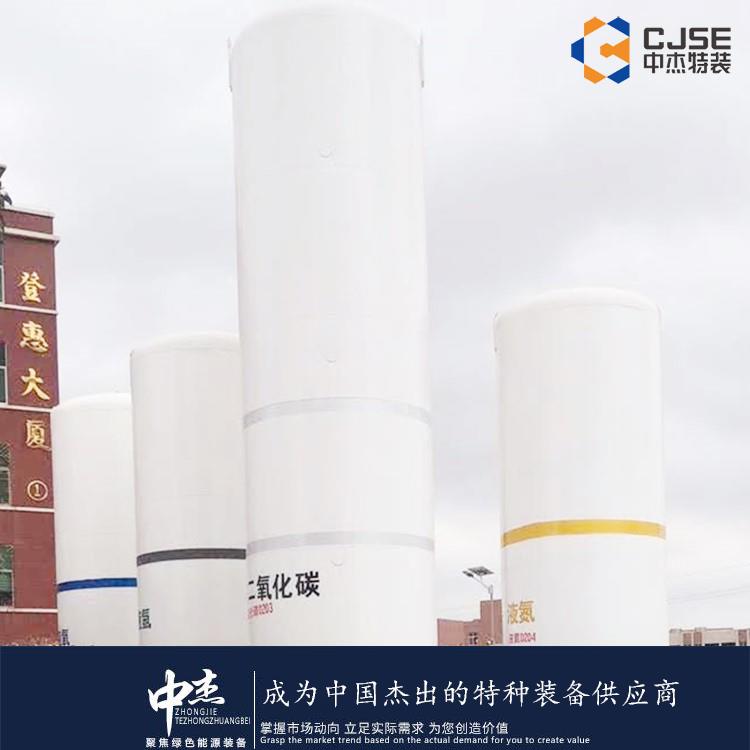

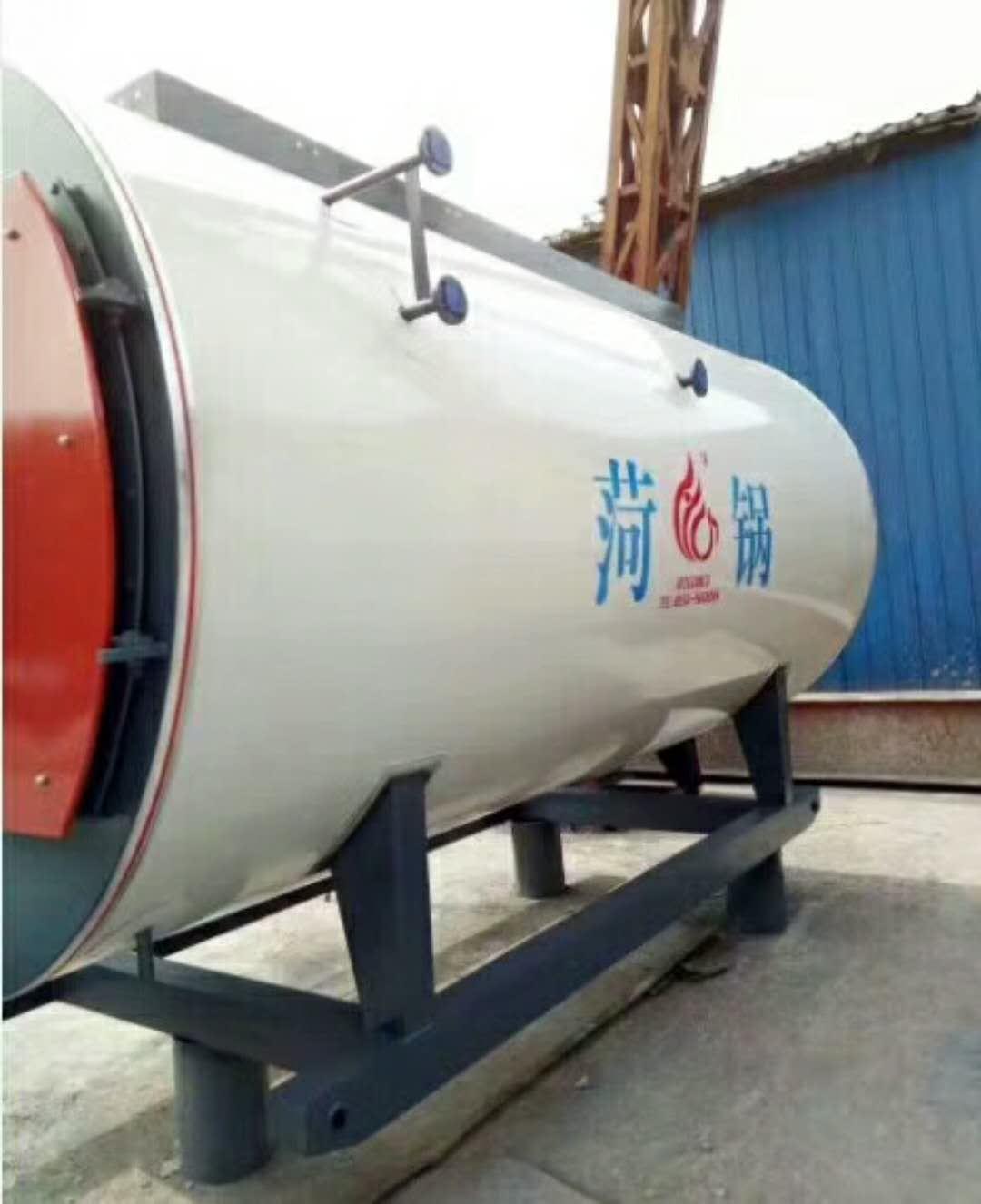



















Shandong Zhongjie Special Equipment specializes in products such as fuel (gas) boilers, organic heat carrier boilers, biomass boilers, waste heat recovery boilers, and other boiler products; vacuum insulated cryogenic pressure vessels like LNG, oxygen/nitrogen/argon tanks, CO2 tanks; pressure vessel products including denitrification engineering equipment, heat storage equipment, and complete chemical equipment sets; central air conditioning and ventilation equipment like ground/water source heat pumps, air source units, water-cooled screw chillers, and air-cooled modular units. Planned products include large-scale energy centers, LNG transport vehicles, LNG tank containers, and other green energy equipment.
When handling CO2 storage tanks, static electricity is a safety issue that needs attention. Here are some methods to avoid static:
Grounding: Ensure that the tank and related equipment are properly grounded. Grounding releases static electricity to the ground, reducing the likelihood of static buildup. Use specialized grounding devices and grounding wires to ensure reliable grounding.
Static-Discharge Equipment: Use static-discharge equipment such as static-resistant clothing, shoes, gloves, etc. These devices help eliminate or reduce static buildup and protect the safety of operators.
Avoid Friction: Prevent friction during operations, especially when contacting solids or flammable gases. Friction can generate static electricity, increasing the risk of fire or explosion.
Control Humidity: Maintain an appropriate humidity level in the operational environment; higher humidity can reduce the generation and accumulation of static electricity. Use humidifiers or other humidity control devices to adjust the environmental humidity.
Avoid Plastic or Rubber Materials: Plastic and rubber materials are prone to generate static electricity; try to avoid using these materials during operations. Choose materials with good antistatic properties for handling.
Static Eliminators: Use static eliminators to eliminate or reduce static buildup. Static eliminators neutralize static electricity by releasing charges, reducing the danger of static.
Tank Cleaning: Regularly clean the interior of the tank to remove accumulated impurities and dirt. Pay attention to preventing the generation and accumulation of static electricity during the cleaning process.
It is important to note that static avoidance methods should be determined based on specific operational environments and tank characteristics. During operations, follow relevant safety regulations and standards, and consult with experts if necessary.
Construction features of carbon dioxide storage tanks mainly include the following aspects: Material selection: Carbon dioxide storage tanks are typically made of carbon steel or stainless steel to ensure their corrosion resistance and pressure-bearing performance. Welding process: The welding process of the tank is crucial for its quality and safety. The welding process should comply with relevant standards and specifications to ensure the quality and strength of the welds. Corrosion prevention measures: Due to the corrosive nature of carbon dioxide, both the internal and external surfaces of the tank should be treated with corrosion prevention. Common corrosion prevention measures include spraying corrosion-resistant paint, applying a corrosion-resistant coating, or using corrosion-resistant coatings. Safety valves and pressure sensors: The tank should be equipped with safety valves and pressure sensors for monitoring and controlling the internal pressure of the tank to ensure safe operation. Steps for correctly installing a carbon dioxide storage tank are as follows: Site preparation: Select an appropriate site for installation, ensuring the site is level, stable, and meets safety distance requirements. Clean the site to ensure there are no obstacles or fire sources. Foundation construction: Construct the foundation according to the size and weight of the tank. The foundation should have sufficient strength and stability to support the weight and pressure of the tank. Tank installation: Place the tank on the foundation, ensuring there is appropriate bedding and fastening devices between the tank and the foundation. Connect and secure the tank according to the tank's design requirements. Pipe connection: Connect the tank to the piping system as needed. Ensure that the connections are sealed well to prevent leaks. Safety equipment installation: Install the required safety equipment for the tank, such as safety valves, pressure sensors, temperature sensors, etc. Ensure that these facilities are properly installed and connected.
Carbon dioxide has several primary applications in the battery industry:
- Solvent in electrolytes: Carbon dioxide can serve as one of the solvents in battery electrolytes. In certain battery types, it can be mixed with organic solvents to enhance the performance and stability of the electrolyte.
- Protective gas in battery manufacturing: During battery production, carbon dioxide can be used as a protective gas. For instance, during assembly and encapsulation, it can replace air to prevent oxidation and corrosion of battery materials due to oxygen and moisture in the battery.
- Battery performance improvement: Carbon dioxide can improve battery performance by altering the atmosphere within the battery. For example, by injecting carbon dioxide gas into the battery, pressure and temperature can be regulated, enhancing the battery's cycle life and safety.
- Carbon dioxide capture and storage: The production process of batteries generates carbon dioxide emissions. Carbon dioxide capture and storage technologies can be employed to reduce these emissions. By capturing and storing carbon dioxide, atmospheric emissions can be decreased, mitigating environmental impact.
- It is important to note that the application of carbon dioxide in the battery industry is continuously evolving and under research. With technological advancements and innovation, there may be more breakthroughs and developments in the application of carbon dioxide in the battery field.
The recent surge in the development of low-temperature liquid storage tanks can be attributed to the following factors:
1. Increasing Energy Demand: With economic growth and population expansion, the demand for energy continues to rise. Low-temperature liquid storage tanks are primarily used for storing liquid gases (LNG), liquid oxygen (LOX), liquid nitrogen (LIN), and other low-temperature liquid energy sources to meet the growing energy needs.
2. Greenhouse Gas Emission Reduction: These tanks can store and transport liquid carbon dioxide (CO2) for carbon capture and storage (CCS) technologies, helping to reduce greenhouse gas emissions. As environmental protection and climate change concerns escalate, the demand for low-temperature liquid storage tanks in the CCS field also increases.
3. Industrial Development Needs: The application of low-temperature liquid storage tanks in the industrial sector is also on the rise. For instance, in chemical, pharmaceutical, food and beverage industries, there is a need for storing and transporting low-temperature liquid raw materials or products, such as liquid nitrogen, liquid oxygen, and liquid ethylene. With the development of these industries, the demand for low-temperature liquid storage tanks also grows.
4. Technological Advancements and Innovation: In recent years, there have been continuous advancements and innovations in the design, manufacturing, and transportation of low-temperature liquid storage tanks. The application of new materials, optimization of tank structures, and improvements in safety control systems have made these tanks safer and more reliable, further propelling their peak development.
In summary, factors such as increasing energy demand, greenhouse gas emission reduction, industrial development needs, and technological advancements and innovation have collectively driven the recent peak in the development of low-temperature liquid storage tanks. As related industries grow and technology progresses, expectations for these tanks will likely continue to rise.
Our company attaches great importance to technological innovation and R&D, boasting 1 city-level enterprise technology center in Heze City. We have established testing facilities for non-destructive testing, physical and chemical testing, welding testing, hydrostatic testing, etc., and are equipped with over 600 various instruments and equipment, including CNC machine tools, X-ray flaw detectors, digital ultrasonic flaw detectors, mechanical property testing machines, chemical analyzers, spectrometers, tensile testing machines, plasma welding machines, and more. The key products and technologies we have developed, such as welding of temperature-pressure vessels, emission reduction of biomass boilers, and waste heat utilization, have successively been selected for multiple Shandong Provincial Department of Industry and Information Technology science and technology projects, key provincial projects, and Heze City innovative and excellent projects. We have accumulated 27 authorized utility models, 16 authorized inventions, participated in drafting 2 standards, 2 industry standards, and registered 15 trademarks. The technical team of our company, in collaboration with Professor Li Yajiang of Shandong University, has developed deep cryogenic container processing technology using the internationally recognized plasma arc + wire filling tungsten inert gas arc welding (PAW-GTAW) technique. The provincial scientific and technological achievement appraisal has confirmed that the technology level in deep cryogenic container manufacturing has reached an international standard. Choose Zhongjie Special Equipment, and let's create brilliance together!
WeChat Official Account

Scan to follow Official Account




















