


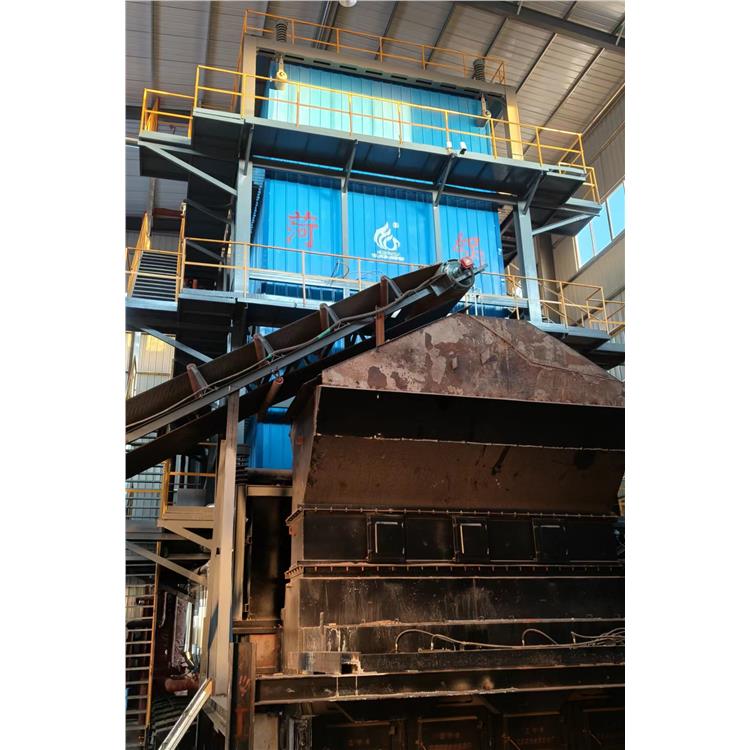

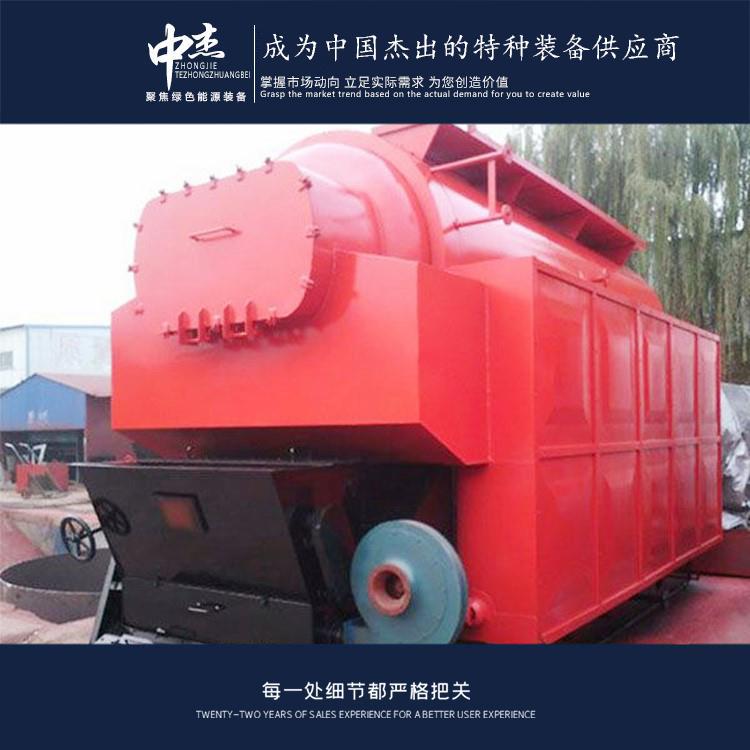
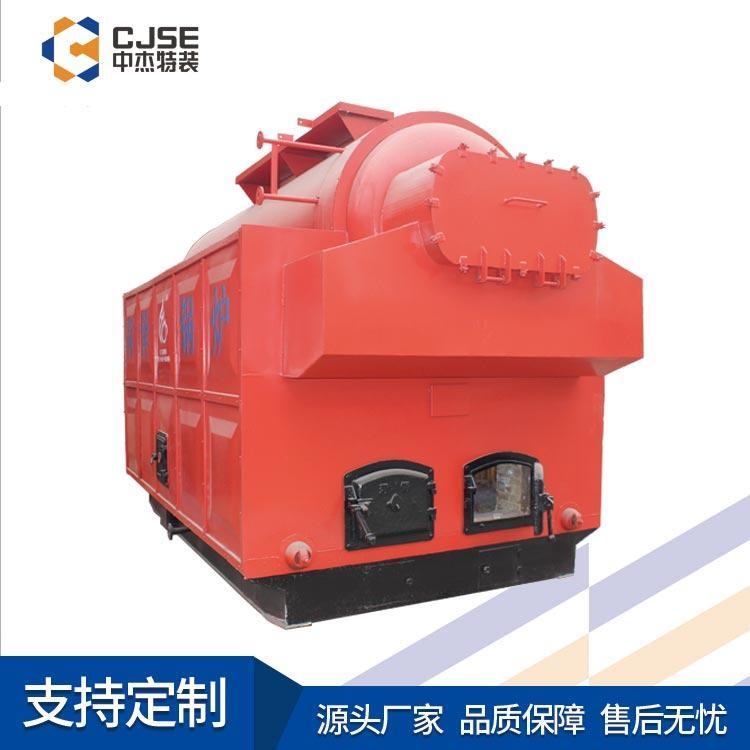



















Shandong Zhongjie Special Equipment (formerly Heze Boiler Factory Co., Ltd.) holds an A-grade boiler manufacturing license, A2-grade pressure vessel manufacturing license, A2-grade pressure vessel design license, B-grade boiler installation license, GB2 and GC2 pressure pipeline installation licenses, and electromechanical equipment installation contracting qualifications. It is a member of the China Boiler and Water Treatment Association, the China Chemical Equipment Association, and a director unit of the Shandong Equipment Manufacturing Association. The company has also passed the ISO9001 Quality Management System certification, ISO14001 Environmental Management System certification, OHSAS18001 Occupational Health and Safety Management System certification, and the American ASME/U2 certification.
The main reasons for the energy-saving needs of biomass steam boilers are as follows:
Energy Costs: Energy-saving measures can reduce the energy consumption of biomass steam boilers, lower energy costs, and enhance economic benefits.
Environmental Protection: Energy conservation can reduce carbon emissions and other pollutants from biomass steam boilers, minimizing environmental impact and protecting the ecological environment.
Sustainable Development: Energy conservation can extend the lifespan of biomass resources, promote sustainable development, and reduce reliance on natural resources.
To achieve energy saving in biomass steam boilers, the following measures can be adopted:
Boiler Design Optimization: Enhance energy utilization efficiency and reduce energy waste through optimized structural design and combustion system of the boiler.
Optimized Combustion Control: Utilizes advanced combustion control technology to manage the combustion process, reducing fuel consumption and emissions.
Heat Recovery Utilization: Utilizes waste heat recovery technology to reclaim heat energy from flue gas in boilers, enhancing energy utilization efficiency.
Water Treatment Optimization: Utilize appropriate water treatment technologies to prevent scale and corrosion issues, enhancing the boiler's thermal conductivity efficiency.
Regular Maintenance: Regular maintenance of biomass steam boilers ensures optimal equipment condition, reducing energy loss and the occurrence of malfunctions.
System Operation Optimization: Through reasonable operation management and control strategies, optimize the operating parameters of biomass steam boilers to enhance system efficiency and stability.
Training and Awareness Enhancement: Strengthen employee training and awareness to enhance energy management and conservation awareness, promote the implementation and continuous improvement of energy-saving measures.
By integrating these measures, energy-saving in biomass steam boilers can be effectively achieved, reducing energy consumption and environmental impact, and enhancing the equipment's economic efficiency and sustainability.
Biomass boilers for centralized heating are those applied in the centralized heating systems of cities or large buildings. Below is an analysis of the technical features of biomass boilers for centralized heating:
Combustion Technology: The biomass boiler used for centralized heating employs combustion technologies such as fluidized bed combustion and chain grate combustion, which can achieve the combustion of biomass fuel and enhance energy utilization efficiency.
Multi-fuel Adaptability: Biomass boilers for centralized heating possess strong fuel adaptability, capable of accommodating various types of biomass fuels such as wood chips, straw, and discarded crops, offering flexible fuel options.
Automated Control System: The automated control system equipped with biomass boilers for centralized heating can achieve automatic adjustment and operation control of the boiler, enhancing operational stability and safety.
Flue Gas Purification Technology: Flue gas purification equipment, such as dust collectors, desulfurization and denitrification devices, installed on biomass boilers for centralized heating, can effectively reduce emissions generated during the combustion process and protect the environment.
Heat Recovery Utilization: Biomass boilers for centralized heating are equipped with a heat recovery system, which can utilize the excess heat generated from combustion for the heating system, improving energy utilization efficiency and reducing energy consumption.
Remote Monitoring and Management: Centralized heating biomass boilers can be monitored and controlled in real-time via a remote monitoring and management system, enhancing operational efficiency and convenience.
Sustainable Development: Central heating biomass boilers utilize renewable biomass fuel, reducing reliance on fossil fuels, with lower carbon emissions and environmental impact, meeting the requirements of sustainable development.
In summary, centralized heating with biological
When using biomass boilers, here are some common operating methods and precautions to consider:
Operation Manual: First, carefully read and understand the biomass boiler's operation manual. The manual will provide detailed instructions and guidance on safe operation, ignition, fuel supply, and combustion adjustment.
Fuel Selection: Choose suitable biomass fuel such as wood chips, straw, wheat straw, fruit shells, etc. Ensure the fuel quality is good, dry, and free of impurities to guarantee optimal combustion and the normal operation of the boiler.
Ignition Procedure: Follow the instructions in the operation manual for ignition. Typically, you need to activate the igniter or ignition device, ensure an adequate fuel supply, and adhere to safety operating procedures.
Combustion Adjustment: Adjust combustion parameters such as fuel supply, oxygen supply, and combustion temperature based on the boiler's operating status and requirements. Adjustments can be made according to the instructions in the operating manual, using the control panel or an automated control system.
Cleaning and Maintenance: Regularly clean and maintain biomass boilers, including the combustion chamber, flue, and heat exchanger components. Ensure the boiler's combustion efficiency and safety.
Safety Precautions: When using biomass boilers, please pay attention to the following safety measures: Ensure good ventilation around the boiler to avoid smoke accumulation from combustion; Regularly inspect and replace critical components such as burners and valves; Adhere to the safety operation procedures in the manual to prevent accidents caused by incorrect operation.
Please note that the above information pertains to general usage methods and precautions only. Specific usage methods and operational details may vary depending on the model and manufacturer of biomass boilers. Therefore, it is recommended to thoroughly read and follow the operation manual and guidelines provided by the manufacturer before using the biomass boiler.
When using biomass boilers, it is essential to adhere to the following safety precautions:
Familiarize with the Operation Manual: Before using the biomass boiler, carefully read and familiarize yourself with the operation manual to understand the boiler's usage, precautions, and safety requirements.
Regular inspections and maintenance: Conduct regular checks on all components and equipment of the biomass boiler to ensure smooth operation. Promptly clean the combustion chamber, flue, and ash to maintain the boiler's cleanliness and unobstructed flow.
Be mindful of fuel quality: select biomass fuel, avoiding damp, contaminated, or harmful fuel. Ensure the fuel quality meets requirements to prevent damage to the boiler and the environment.
Regulate the Combustion Process: Properly control the combustion process of biomass boilers to ensure stable and efficient burning. Adhere to the correct ignition and shutdown procedures to avoid incomplete combustion or overheating issues.
Prevent overheating and overpressure: Monitor and control the temperature and pressure of biomass boilers to avoid overheating and overpressure. Install and maintain safety valves, pressure gauges, and thermometers, etc., to ensure the safe operation of the boiler.
Prevent Gas Leaks: Regularly inspect and maintain the gas pipelines and valves of biomass boilers to ensure good sealing, preventing gas leaks. In case of gas leakage, take immediate action to cease usage and promptly repair.
Prevent fires: Keep biomass boiler areas clean and tidy, and prevent堆积物 and ignition sources from being near the boiler. Install and maintain fire alarms and extinguishing equipment to enhance fire safety.
Training and Awareness Enhancement: Provide necessary training to operators to enhance their operational skills and safety awareness regarding biomass boilers. Ensure operators are aware of and adhere to relevant safety regulations and operational procedures.
Here are some safety tips for biomass boiler operation. Adhering to these tips ensures the safe operation of biomass boilers.
Shandong Zhongjie Special Equipment, welcome customers to our factory for business discussions.
WeChat Official Account

Scan to follow Official Account