


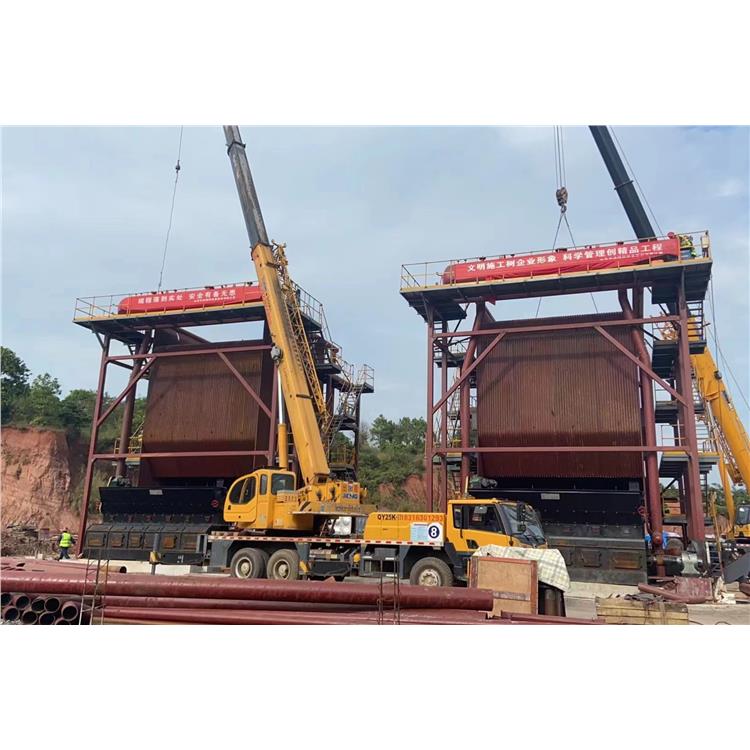

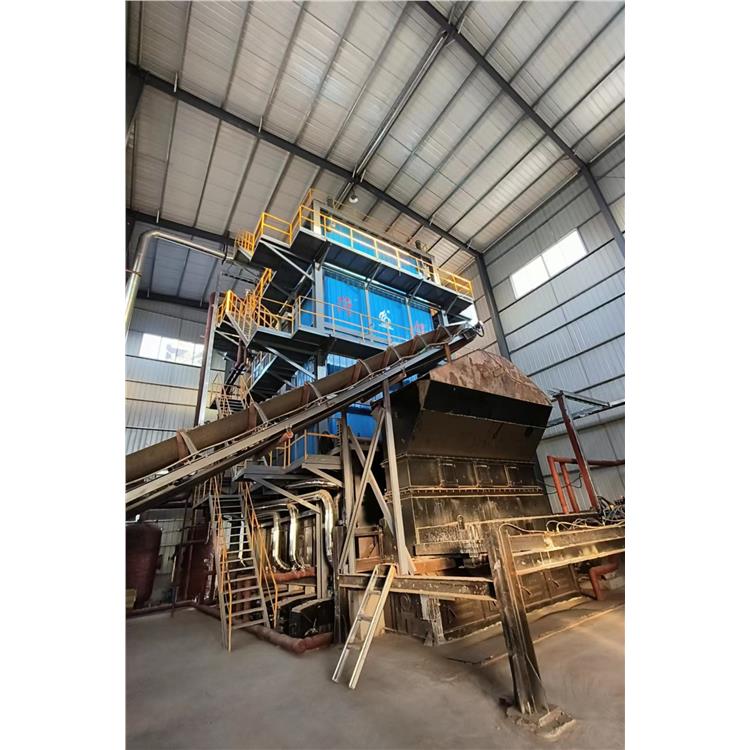



















Shandong Zhongjie Special Equipment (formerly Heze Boiler Factory Co., Ltd.) was established in 2001, located at No. 2218 Jinnan Road, Economic and Technological Development Zone, Heze City, with a registered capital of 50 million yuan and total assets of 500 million yuan. The company has 7 business centers: boiler, deep-freezing vessel, pressure vessel, central air conditioning, engineering installation, international trade, and Internet of Things. It has three factory sites on Jinnan Road, East Changjiang Road, and Bohai Road, covering a total of 200,000 square meters, with the main workshop area being 83,000 square meters. It currently employs 710 people, including 247 engineering and technical personnel and 82 intermediate-level technical personnel. In December 2016, it was recognized as a "High-Tech Enterprise" by the Science and Technology Department. In June 2021, it was identified as a "Specialized and New Enterprise in Shandong Province" by the Ministry of Industry and Information Technology. In June 2022, it was recognized as a "Gazelle Enterprise in Shandong Province" and in August 2022, it was identified as a "Specialized and New Small Giant Enterprise" by the Ministry of Industry and Information Technology.
During the operation of biomass hot water boilers, pay attention to the following aspects:
Fuel Quality: Select biomass fuel in the specified quantity to ensure the moisture content and particle size meet the boiler's requirements. Low-quality fuel may lead to incomplete combustion and blockages.
Combustion Effect: Pay attention to the monitoring and adjustment of the combustion effect to ensure the stability and completeness of the combustion process. Adjust combustion parameters, such as combustion temperature and time, in a timely manner based on the boiler's operating status and fuel characteristics.
Clean Combustion System: Regularly clean the combustion system, including the combustion chamber, burner, and burner nozzle. Remove ash, deposits, and dirt to maintain the system's unobstructed flow and prevent issues such as incomplete combustion and unstable flames.
Water Treatment: Pay attention to the water treatment of the boiler, including water hardness, alkalinity, and impurities in the water. Adopt corresponding water treatment measures based on the water quality to prevent scale and corrosion, and protect the boiler's heat exchangers and pipes.
Regular Maintenance: Perform regular maintenance on biomass hot water boilers, including cleaning, lubricating, and tightening. Inspect all components and connections of the boiler to ensure they are functioning properly and maintain optimal working condition.
Safe Operation: Adhere to the boiler operation procedures and safety guidelines to ensure safe boiler operation. Monitor and control parameters such as pressure and temperature, and promptly address any abnormal situations.
In summary, pay attention to fuel quality, combustion efficiency, combustion system cleanliness, water treatment, regular maintenance, and safety.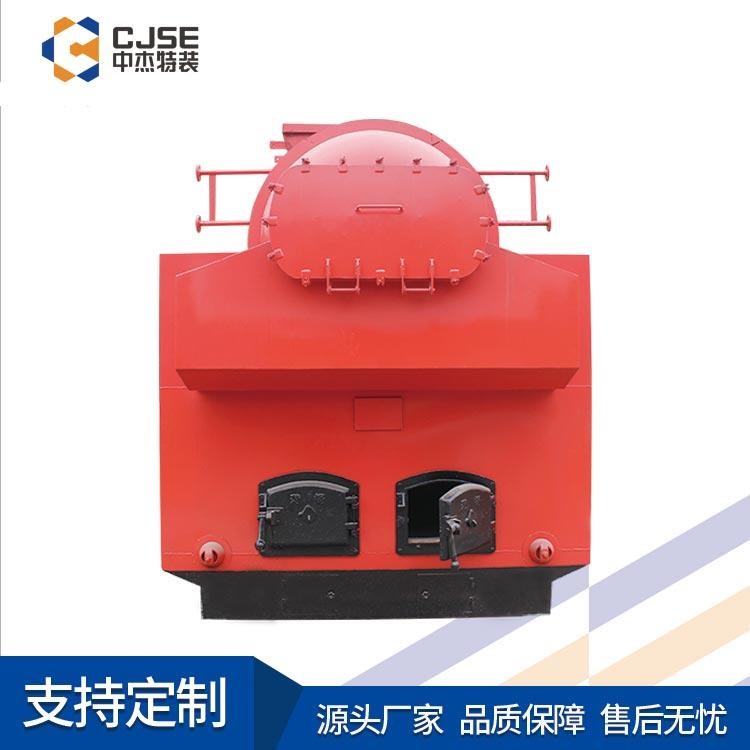
During the operation of biomass boilers, attention should be paid to the following aspects:
Fuel Selection: Choose biomass fuel that is suitable, considering factors such as supply stability, quality, and cost. Additionally, be aware of the fuel's characteristics and combustion properties to ensure it meets the boiler's requirements.
Equipment Selection: Choose appropriate biomass boiler equipment based on actual requirements, including boiler type, capacity, and configuration. Consider factors such as fuel characteristics, thermal load demands, and environmental protection requirements to ensure the equipment meets operational needs.
Installation and Commissioning: When installing a biomass boiler, follow the relevant specifications and requirements for installation, and carry out necessary adjustments and tests. Ensure the safe and reliable operation of the equipment.
Operation Management: Establish and improve a comprehensive operation management system, encompassing daily operation, maintenance, and care of equipment. Regularly inspect the equipment's operational status and promptly address any malfunctions or anomalies.
Combustion Control: Reasonably control the combustion process, including fuel supply, combustion air adjustment, and combustion temperature control. Improve combustion efficiency and environmental performance through optimized combustion parameters.
Flue Gas Treatment: Process flue gases produced by biomass boiler combustion, including dust removal of particulates, nitrogen oxide denitration, and other decontamination. Ensure flue gas emissions.
Safety Protection: Enhance the safety measures of equipment, including automated control of combustion systems, monitoring and protection of pressure and temperature, etc. Ensure the safe and reliable operation of the equipment, and prevent accidents.
Knowledge Training: Provide necessary training for operators and managers to enhance their understanding of biomass boilers and operational skills. Ensure personnel can operate the equipment correctly and address operational issues promptly.
Coking in biomass boilers refers to the phenomenon where ash and other impurities in the fuel deposit and form slag inside the furnace during the combustion process. Coking can negatively impact the normal operation and thermal efficiency of biomass boilers. Below are the hazards of coking and corresponding measures:
Reducing thermal efficiency: Coking can lead to carbon accumulation on the inner walls of the furnace and the heat exchange area, increasing thermal resistance and lowering the efficiency of heat conduction, thereby reducing the boiler's thermal efficiency. A decrease in thermal efficiency results in energy waste and increased operational costs.
Measures: Regularly clean the ash and carbon buildup inside the furnace, maintain the cleanliness of the inner furnace wall, and enhance heat exchange efficiency.
Impacts on Combustion Stability: Coking can lead to unevenness during the combustion process, reducing combustion stability and potentially causing incomplete combustion and unstable flames.
Measures: Reasonably adjust combustion parameters, such as combustion temperature and air flow, to maintain stability in the combustion process.
Increased equipment wear and maintenance costs: Carbon buildup can occur inside the furnace walls and flue pipes, leading to increased wear and maintenance costs for the equipment.
Measures: Regularly clean and maintain boiler equipment to prevent the formation of scale and carbon deposits.
Increased Environmental Pollution: Ash deposition leads to a rise in pollutant emissions during the combustion process, impacting the environment.
Measures: Reasonably control the combustion process to ensure complete and thorough combustion, reducing the emission of pollutants.
In summary, measures to prevent biomass boiler slagging include regular cleaning and maintenance of equipment, rational adjustment of combustion parameters, and control
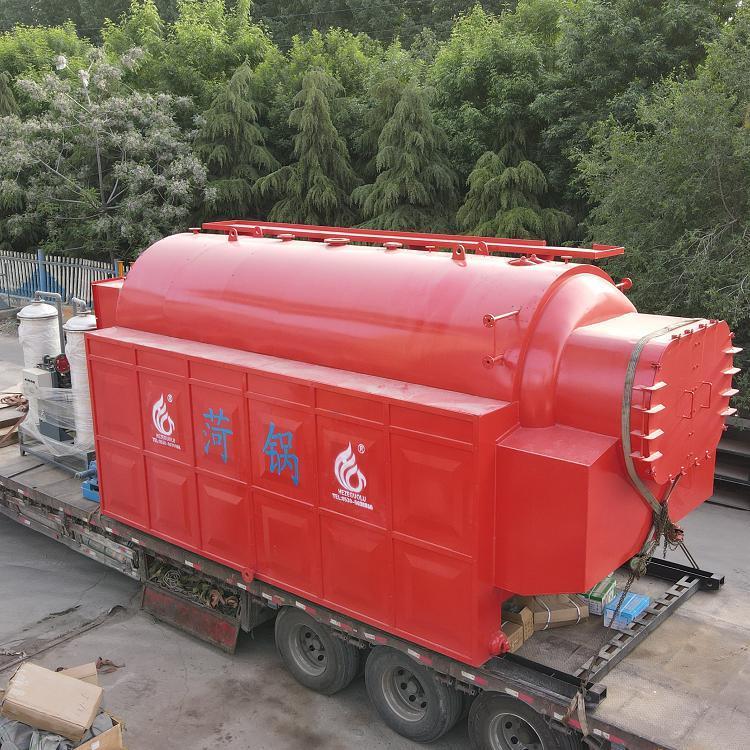
The DZL type quick-assembly biomass boiler is a common biomass boiler model, featuring the following characteristics:
Rapid Installation: The DZL model rapid-install biomass boiler features a modular design, with the boiler body and equipment pre-assembled in the factory. On-site, only simple connections and adjustments are required, significantly reducing installation time and project duration.
High combustion efficiency: Equipped with a special combustion chamber design and combustion system, the biomass fuel is fully combusted within the furnace, resulting in high thermal efficiency. Additionally, features a economizer and flue gas recirculation unit to further enhance thermal efficiency.
Automation Control: The DZL-type quick-install biomass boiler is equipped with an automated control system that allows for the control and monitoring of the combustion process. Through a PLC controller and a touch screen, parameters such as fuel supply, air supply, and combustion temperature can be adjusted to ensure the stable operation of the boiler.
Multiple Fuel Adaptability: The DZL type quick-assembly biomass boiler is suitable for various biomass fuels such as wood chips, straw, etc. Different fuels can be chosen according to actual conditions, enhancing fuel substitutability and flexibility.
Eco-friendly and Energy-saving: The DZL type rapid assembly biomass boiler uses biomass fuel, which produces relatively low levels of exhaust gas and waste during combustion. The emissions of pollutants are minimal. Biomass fuel inherently features low sulfur and low nitrogen, and the waste residue after combustion can be reused as organic fertilizer or biomass fuel, reducing environmental pollution.
Compact Structure: DZL Type Quick Assembly Biomass Boiler
Shandong Zhongjie Special Equipment, welcome customers to our factory for business talks.
WeChat Official Account

Scan to follow Official Account




















