



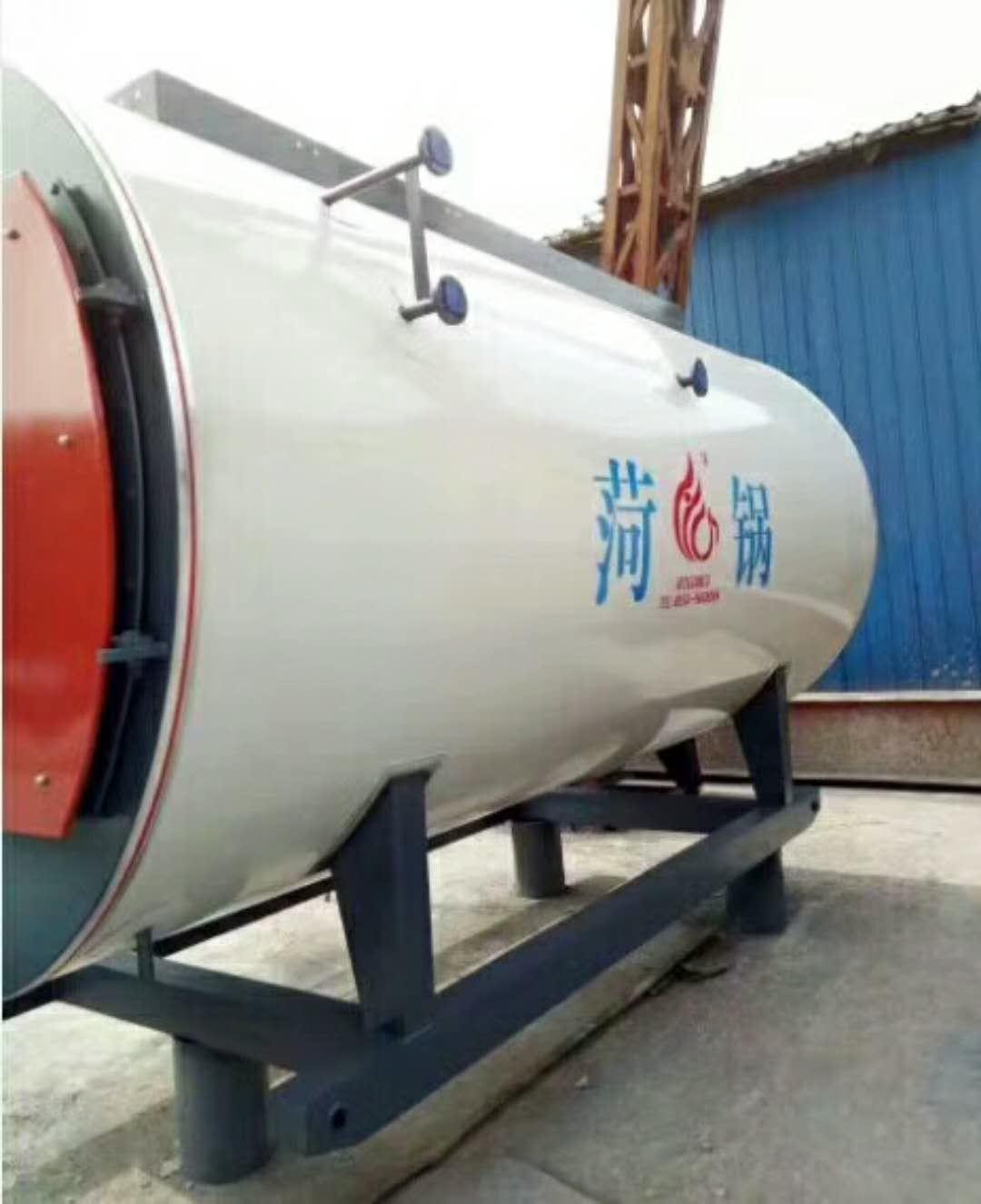



















Shandong Zhongjie Special Equipment's main products include: fuel (gas) boilers, organic heat carrier boilers, biomass boilers, waste heat recovery boilers, and other boiler products; vacuum insulation cryogenic pressure vessels such as LNG tanks, oxygen/nitrogen/argon tanks, CO2 tanks; pressure vessel products like denitrification engineering equipment, heat storage and energy storage equipment, and complete chemical equipment sets; central air conditioning and ventilation equipment such as ground (water) source heat pumps, air source units, water-cooled screw units, and air-cooled modular units. Planned products include large-scale energy centers, LNG transport vehicles, LNG tank containers, and other green energy equipment.
In the burner of a thermal oil furnace, adjusting the air shutter under low flame conditions is crucial. Here are some common sense and precautions:
The function of the air shutter: The air shutter is a key component in the burner that controls the supply of combustion air. By adjusting the opening of the air shutter, the flow of combustion air can be controlled, thereby affecting the oxygen supply and combustion effect during the combustion process.
Adjustment under low flame conditions: Under low flame conditions, the burner needs to maintain stable combustion to ensure combustion efficiency and heat output. In this case, it is necessary to adjust the opening of the air shutter appropriately to maintain a proper supply of combustion air. Typically, the opening of the air shutter is relatively small under low flame conditions to maintain an appropriate oxygen supply, avoiding incomplete combustion or instability.
Ratio of combustion air to fuel: Under low flame conditions, it is necessary to ensure that the ratio of combustion air to fuel is appropriate. Excessive combustion air can lead to incomplete combustion and energy waste, while insufficient combustion air can result in unstable combustion and the production of harmful gases. By adjusting the opening of the air shutter, the ratio of combustion air to fuel can be controlled to achieve a stable combustion effect.
Burner tuning and optimization: During the installation and tuning of the burner of a thermal oil furnace, appropriate tuning and optimization are required. Through actual operation and monitoring, adjust the opening of the air shutter and other parameters to achieve the best combustion effect and energy efficiency performance. This requires...
Before starting the heating gas hot water boiler, the following proper procedures must be followed:
- Check the gas supply system: Ensure the gas supply system is operating normally, inspect gas pipelines, valves, and pressure regulators, etc., to ensure there are no leaks or blockages in the gas supply.
- Check the water system: Inspect the water circulation system of the heating system, including pumps, valves, and pipes, to ensure the waterways are clear, with no leaks or blockages.
- Check the electrical system: Inspect the boiler's electrical system, including power connections, controllers, and sensors, to ensure electrical equipment is functioning properly.
- Check the safety devices: Inspect the boiler's safety devices, including safety valves, pressure switches, and water level controllers, to ensure they are working correctly and guarantee the safe operation of the boiler.
- Prepare for ignition: According to the boiler's operating instructions, prepare the tools and equipment needed for ignition, including an igniter and ignition electrode.
- Open the gas valve: Gradually open the gas valve to ensure a steady gas supply and avoid gas surges.
- Ignition start: Follow the boiler's operating instructions to initiate the ignition. Perform the corresponding operations based on the boiler model and control system to ensure smooth ignition.
- Monitor operating status: After startup, closely monitor the boiler's operating status, including combustion, water level, and pressure, to ensure normal operation without any abnormalities.
- Adjust parameters: Adjust the boiler's parameters, including temperature, pressure, and water level, as needed to meet the requirements of the heating system.
- Regular maintenance: After startup, perform regular maintenance, including cleaning the burner, checking water level and pressure, and replacing worn parts, to ensure the normal operation and safety of the boiler.
- It is recommended to refer to the boiler's operation manual and the manufacturer's guidance before starting the heating gas hot water boiler to ensure correct and safe operation. If necessary, seek assistance from personnel for operation and maintenance.
In textile processing factories, common types of boilers include the following:
- Steam Boilers: Steam boilers are one of the most commonly used types in textile processing. They produce high-pressure, high-temperature steam, used for thermal treatment, dyeing, boiling, and other processes in textile manufacturing. Steam boilers offer fast heating, stability, and other advantages.
- Hot Water Boilers: Suitable for low-temperature textile processes like washing and drying, hot water boilers provide a stable supply of hot water. They are characterized by high temperature control precision and low energy consumption.
- Hot Air Furnaces: Designed for drying processes in textile manufacturing, hot air furnaces transfer heat energy to textiles through the hot air generated by combustion, achieving rapid drying. They have the advantages of fast heating and high thermal efficiency.
When selecting the appropriate boiler type for a textile processing factory, consider the following factors:
- Process Requirements: Determine the required heat medium (steam, hot water, hot air) and parameters such as working temperature and pressure based on the specific process needs of the factory.
- Energy Costs and Efficiency: Consider the energy consumption and efficiency of different boiler types to choose one that meets processing demands and has high energy utilization efficiency.
- Environmental Requirements: Pay attention to the emission standards and environmental performance of the boilers to select the appropriate type.
Choose a trusted gas boiler supplier, it's crucial. Here are some considerations:
- Reputation: Understand the reputation and market reputation of the gas boiler supplier. Obtain relevant information by reviewing customer reviews, industry reports, and certifications from institutions.
- Quality and Performance: The quality and performance of the gas boiler directly affect its reliability and efficiency. Learn about the supplier's quality control system, product certifications, and technical support capabilities to ensure their products meet standards and fulfill factory needs.
- Technical Support and After-Sales Service: Selecting a supplier that offers comprehensive technical support and after-sales service is vital. Ensure the supplier can provide training, installation guidance, maintenance, and troubleshooting support to ensure the normal operation of the gas boiler.
- Cost-Effectiveness: In addition to product quality and performance, consider the cost-effectiveness of the gas boiler. Consider the purchase cost, operating cost, and maintenance cost to choose a supplier that offers reasonable pricing and value for money.
Ultimately, choosing a trusted gas boiler supplier requires considering these factors and making a decision based on the specific needs and conditions of the factory. It is recommended to communicate and compare with multiple suppliers to gather more information and advice for an informed choice.
Our company highly values technological innovation and R&D, boasting one municipal-level enterprise technology center in Heze City. We have established testing facilities for non-destructive testing, physical and chemical testing, welding testing, hydrostatic testing, etc. We are equipped with over 600 pieces of various equipment, including CNC machine tools, X-ray flaw detectors, digital ultrasonic flaw detectors, mechanical property testing machines, chemical analyzers, spectrometers, tensile testing machines, plasma welding machines, and more. The key products and technologies we have developed, such as welding for temperature-pressure vessels, biomass boiler emissions reduction, and waste heat utilization, have successively been included in multiple Shandong Provincial Department of Industry and Information Technology innovation projects, Shandong key projects, and Heze City innovation and excellence projects. We have accumulated a total of 27 authorized utility models, 16 authorized inventions, participated in drafting 2 standards, 2 industry standards, and registered 15 trademarks. The technical team of our company, in collaboration with Professor Yajiang Li from Shandong University, has developed deep cryogenic container processing technology using the international plasma arc + filler wire tungsten inert gas arc welding (PAW-GTAW) technology. The provincial-level scientific and technological achievement appraisal has determined that the technology level in deep cryogenic container manufacturing has reached an international standard.
Choose ZJETT Customization, let's create brilliance together!
WeChat Official Account

Scan to follow Official Account




















