



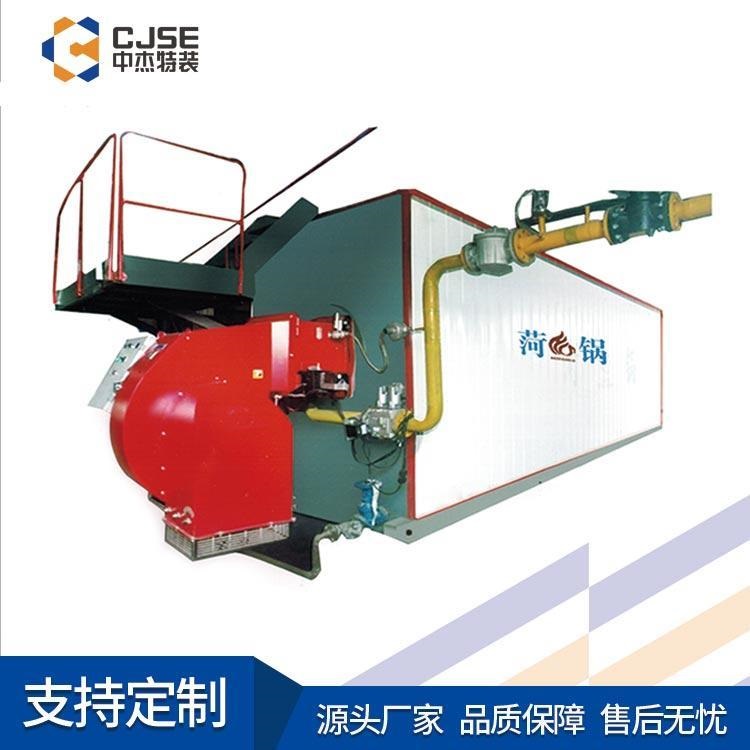
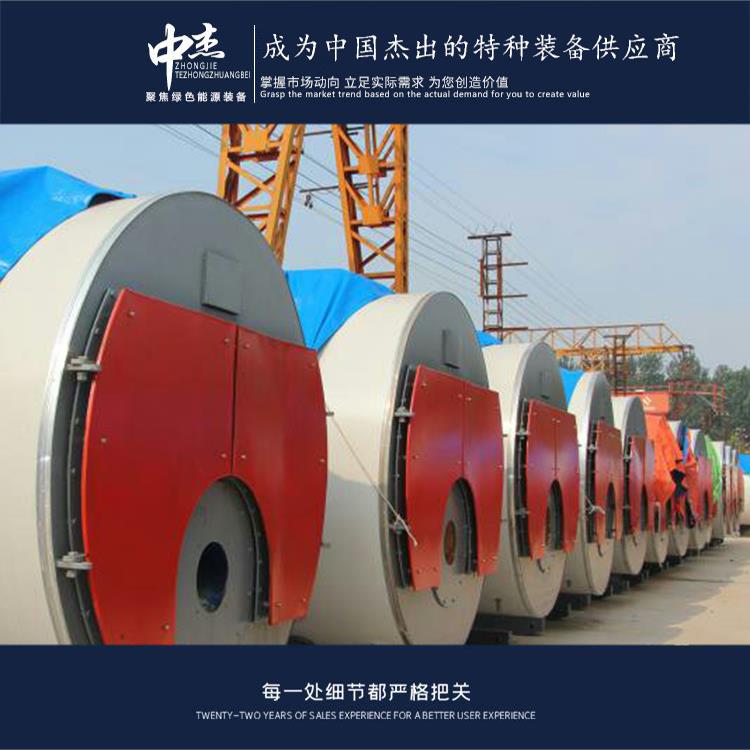



















Shandong Zhongjie Special Equipment (formerly Heze Boiler Factory Co., Ltd.) holds an A-grade boiler manufacturing license, an A2-grade pressure vessel manufacturing license, an A2-grade pressure vessel design license, a B-grade boiler installation license, and GB2/Class, GC2/Class pressure pipeline installation licenses, as well as a mechanical and electrical equipment installation contracting qualification. It is a member of the China Boiler and Water Treatment Association, the China Chemical Equipment Association, and a director unit of the Shandong Equipment Manufacturing Association. The company has also passed certifications for the ISO9001 Quality Management System, ISO14001 Environmental Management System, OHSAS18001 Occupational Health and Safety Management System, and the American ASME/U2 certification.
Yes, durable thermal oil boilers typically have a longer lifespan. Here are some reasons:
Material Quality: Thermal oil boilers are made from high-quality materials, such as heat-resistant and corrosion-resistant steel and alloy materials. These materials can withstand high temperatures and pressures, offering good durability and anti-corrosion properties, thereby extending the boiler's lifespan.
Design and Manufacturing Process: Long-lasting thermal oil boilers often employ advanced design and manufacturing techniques. Rational structural design and precise manufacturing processes can reduce stress concentration and thermal stress, enhancing the boiler's stability and durability.
Regular Maintenance and Care: Regular maintenance and care are crucial for extending the lifespan of thermal oil boilers. Regularly cleaning and inspecting the internal pipes, flues, and burners, and promptly replacing worn-out parts, can minimize malfunctions and damage, thus extending the boiler's life.
Proper Operation and Management: Correct operation and management are also key factors in ensuring the longevity of thermal oil boilers. Operators should follow the operation manual and procedures, avoid overloading and improper operation, ensuring the boiler operates safely and stably.
It's important to note that even durable thermal oil boilers require regular inspections and maintenance to ensure proper operation and extend their lifespan. Additionally, the boiler's lifespan is also influenced by factors such as the operating environment, load conditions, and operating methods. Therefore, reasonable use and maintenance are essential for ensuring the longevity of thermal oil boilers.
When selecting a thermal oil furnace for the rubber industry, pay attention to the following aspects:
- Temperature Requirements: Determine the required operating temperature range based on the rubber industry's process needs. Ensure the selected thermal oil furnace can stably provide the necessary operating temperature.
- Heat Load: Calculate the required heat load based on the production scale and process requirements of the rubber industry. Ensure the thermal oil furnace's heat load meets the industry's needs.
- Thermal Efficiency: The thermal efficiency of the thermal oil furnace directly impacts energy consumption and operating costs. Choose a furnace that is energy-efficient.
- Safety: The safety of the thermal oil furnace is crucial. Select a furnace with comprehensive safety protection devices and an automatic control system to ensure safe and reliable operation.
- Maintenance: Proper maintenance is essential for extending the furnace's lifespan and ensuring smooth operation. Consider the ease and cost of maintenance when choosing a thermal oil furnace.
- Manufacturer Reputation: Choose a thermal oil furnace manufacturer with a good reputation and extensive experience to ensure reliable product quality and after-sales service.
- Cost-Effectiveness: Consider the price, energy consumption, and maintenance costs of the thermal oil furnace when selecting a cost-effective product.
- When purchasing a thermal oil furnace, it is recommended to consult with a heating equipment supplier or engineer, choose based on specific needs, and adhere to relevant industry standards and regulations.
Chemical cleaning of industrial boilers is a common method that effectively removes dirt and sediments inside the boiler, enhancing heat exchange efficiency and extending the boiler's lifespan. Below are the general steps and methods for industrial boiler chemical cleaning:
Preparation: Turn off the boiler's power and gas supply, drain the water and steam inside the boiler, and ensure the boiler is in a safe condition. Prepare the required chemical cleaning agents and equipment.
Cleaning Agent Selection: Choose a suitable chemical cleaning agent based on the boiler's material and the nature of the dirt. Common cleaning agents include acidic, alkaline, and chelating agents.
Cleaning Agent Circulation: Dissolve the cleaning agent in an appropriate amount of water and circulate it into the boiler through a pump. Determine the circulation time and temperature based on the boiler's size and the extent of dirt.
Cleaning Agent Action: During circulation, the cleaning agent reacts chemically with the dirt inside the boiler, dissolving and decomposing it. Acidic cleaning agents can remove rust and scale, while alkaline cleaning agents can remove grease and organic matter.
Rinsing and Neutralizing: After the cleaning agent circulation, rinse the boiler with clean water to flush out the cleaning agent and dissolved dirt. Simultaneously, use a neutralizer to neutralize any remaining acidic or alkaline substances, ensuring the boiler's neutrality.
Inspection and Maintenance: After cleaning, inspect the boiler to ensure the cleaning effect and normal operation. Perform necessary maintenance and upkeep as required.
Points to note when conducting industrial boiler chemical cleaning:
- Adhere strictly to the usage instructions and safety operation procedures for chemical cleaning agents to ensure the safety of operators.
- Choose the appropriate cleaning agent and method based on the boiler's material and the cleaning agent's properties.
- Control the concentration, temperature, and circulation time of the cleaning agent to avoid unnecessary damage to the boiler.
- Monitor the concentration and pH of the cleaning agent in real-time during the cleaning process and adjust the cleaning conditions as needed.
- Flush the boiler after cleaning to ensure the complete removal of cleaning agents and dirt.
- Perform boiler maintenance and upkeep promptly after cleaning to ensure normal operation and long-term use.
The purpose of deoxygenation in industrial boiler feed water is to reduce oxygen corrosion and bubble formation inside the boiler, ensuring the safety and normal operation of the boiler and pipeline system. The main methods of deoxygenation include:
1. Mechanical Deoxygenation: Removing oxygen from water through physical methods. Common mechanical deoxygenation equipment includes deaerators and degassers. Deaerators eliminate oxygen by atomizing water into a thin film, taking advantage of the difference in gas solubility. Degassers, on the other hand, remove oxygen by atomizing water into tiny droplets, also utilizing the difference in gas solubility.
2. Thermal Deoxygenation: Removing oxygen from water by heating the water body, taking advantage of the property that oxygen solubility decreases with increasing temperature. Common thermal deoxygenation equipment includes deaerators and deaeration pots. Deaeration pots release oxygen from water by heating it to saturation temperature. Deaerators heat the water to reduce oxygen solubility, thereby removing oxygen.
3. Chemical Deoxygenation: Removing oxygen from water by adding chemicals that react with the oxygen, eliminating it from the water. Common chemical deoxygenating agents include salts and reductants. Chemical deoxygenation is often used in high-pressure boiler systems and can effectively remove oxygen from water.
The choice of deoxygenation method depends on the specific boiler system and water quality. In practical applications, a combination of deoxygenation methods is often used to achieve the desired deoxygenation effect. The selection and operation of deoxygenation equipment should be assessed and adjusted based on actual conditions to ensure the safety and normal operation of the boiler system.
Shandong Zhongjie Special Equipment, welcome customers to our factory for business discussions.
WeChat Official Account

Scan to follow Official Account




















