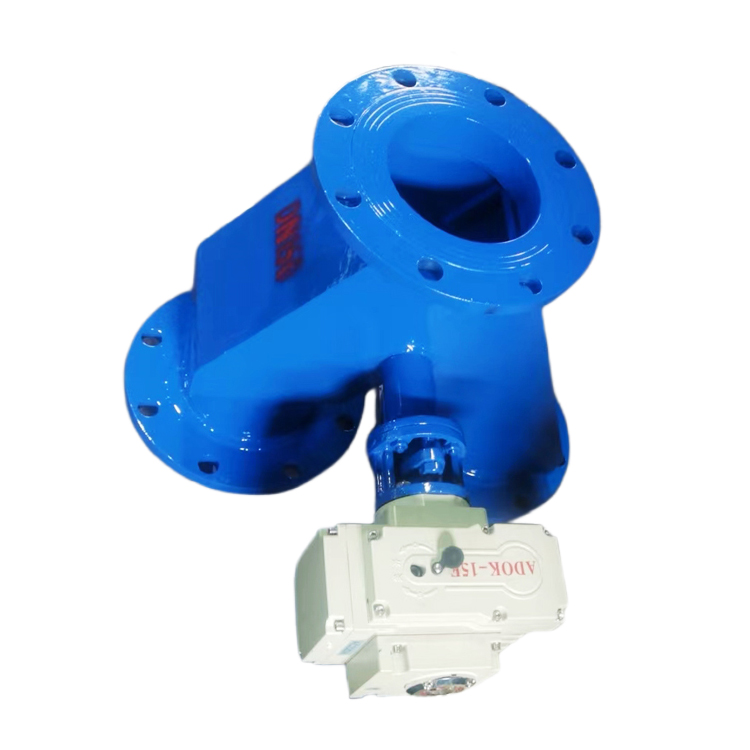














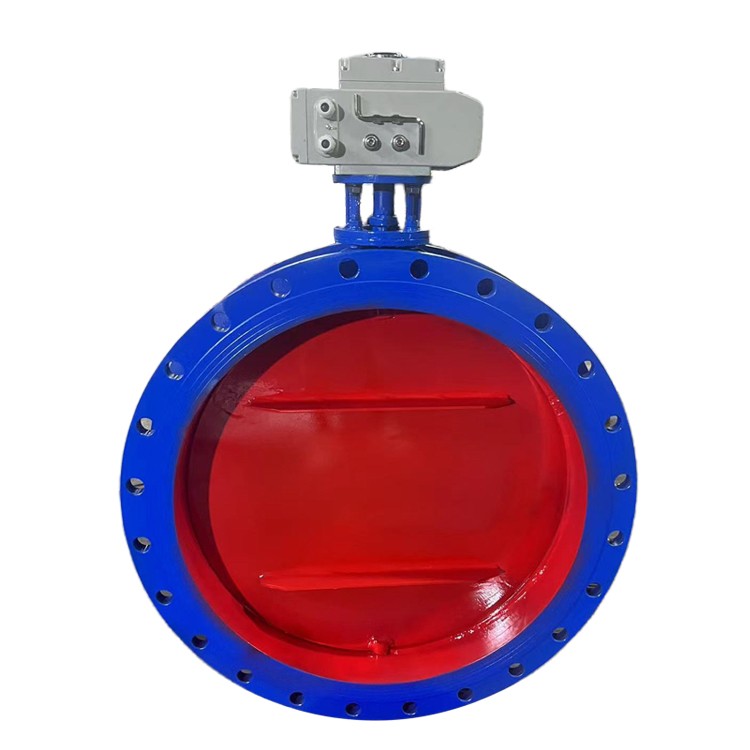
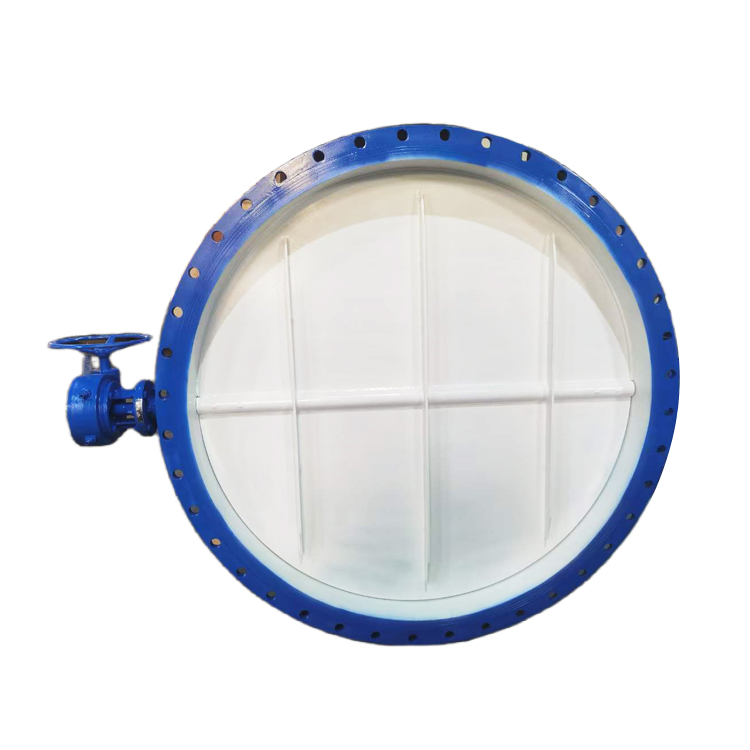

Electrical three-way diverting valves are equipment used to control the rapid direction change of materials in material conveying systems, widely applied in industries such as building materials, metallurgy, mining, light industry, and grain. Their core components include the valve body, valve shaft, valve plate, crank mechanism, and electric actuator. The electric actuator generates a reciprocating linear motion, driving the valve shaft and valve plate to swing, thereby achieving a quick switch in the material flow direction.
Operating Principle
The working principle of the electric three-way diverting valve involves the electric actuator receiving signals from the control system, which drives the valve plate to swing and switch material channels. This process is quick, flexible, has low resistance, and features overload protection, ensuring stable operation of the equipment in high-pressure, high-temperature, or corrosive media.
Structural Features
The electric three-way diverting valve features a compact structure, light weight, and excellent wear resistance, suitable for conveying solid particles and powdered materials. Its design is rational, easy for selection and maintenance, and applicable to various industrial scenarios.
Application Scenarios
Electric three-way diverting valves are suitable for applications requiring control of material flow, such as in material transport systems in industries like construction materials, metallurgy, and mining. Their flexible operation and stable performance play a crucial role in these fields.