
















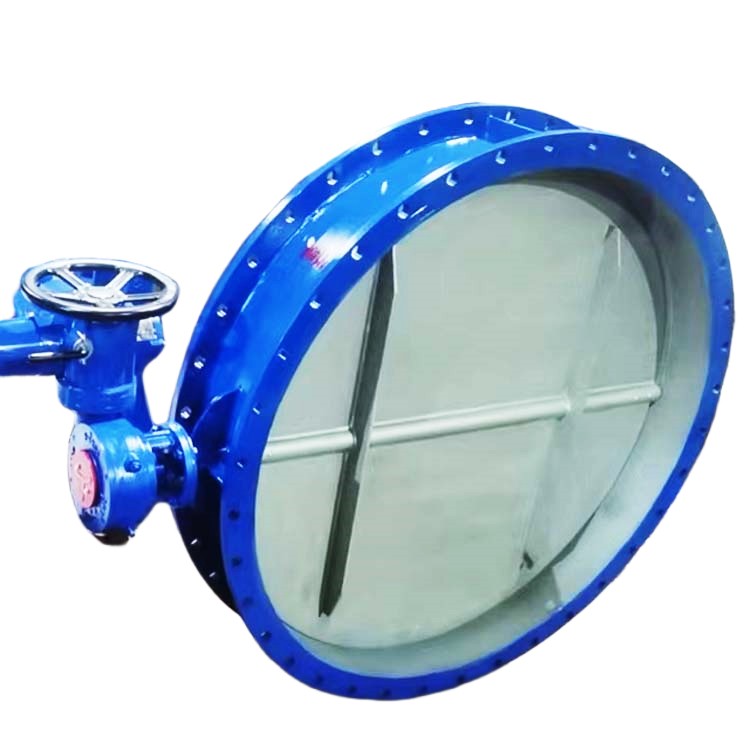
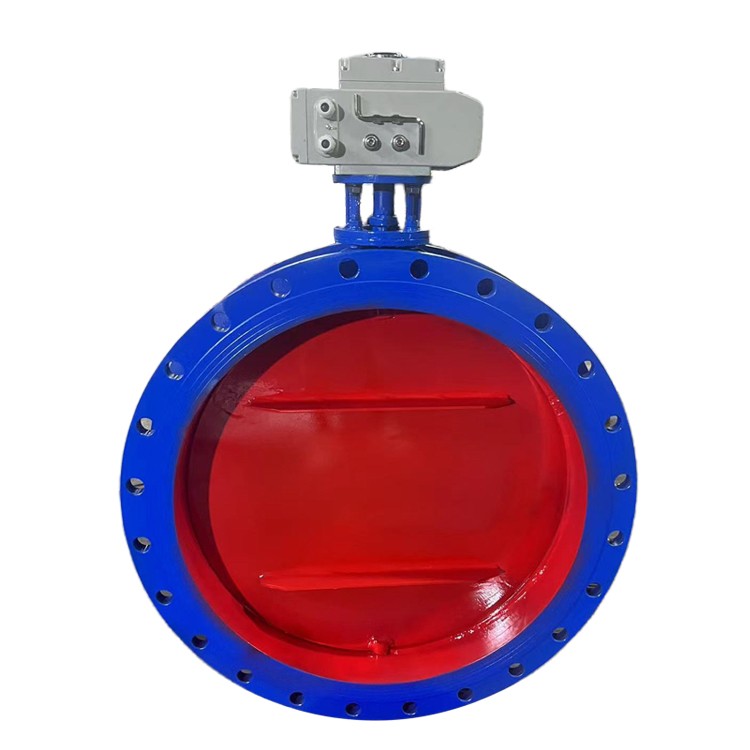
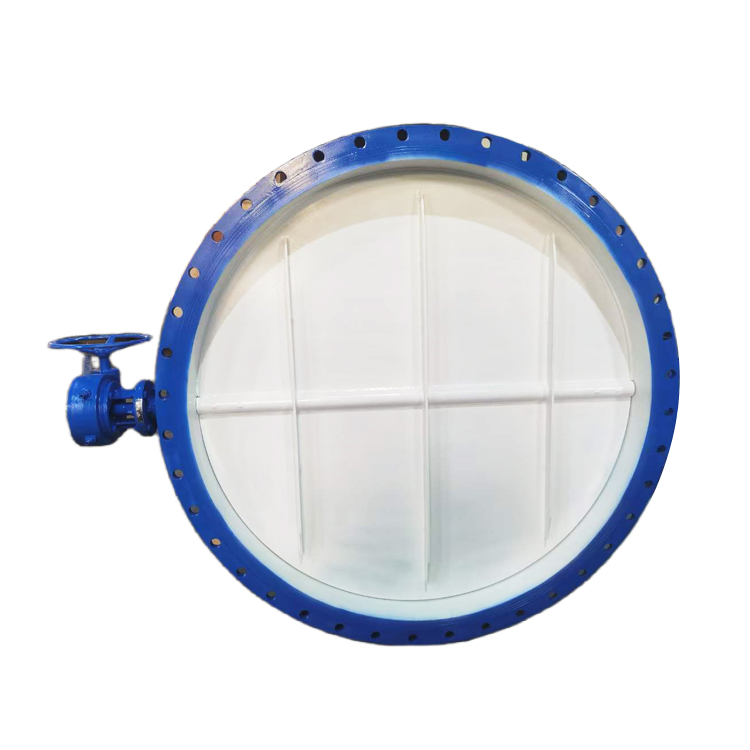

Electrical side tee valve is a device used for controlling the rapid directional change of materials in material conveying systems, widely applied in industries such as construction materials, metallurgy, mining, light industry, and grain. Its main function is to distribute materials from one inlet to two outlets in a certain proportion, to achieve material allocation and management.
Operating Principle
The electric side tee valve diverts material flow by actuating the valve plate with an electric rod (or actuator), causing it to swing. The valve plate is connected to the crank mechanism via a valve shaft, and the electric rod provides a linear reciprocating motion, driving the crank mechanism to swing the valve shaft and plate. This design ensures a continuous and stable outflow of material at a set ratio.
Structure Composition
The electric side tee valve is mainly composed of the valve body, valve shaft, valve plate, crank mechanism, and electric push rod. The valve body is typically made of wear and corrosion-resistant materials to accommodate the processing needs of different materials. The valve shaft and valve plate are critical components for controlling the flow of materials. Driven by the electric push rod, the valve plate swings within the valve body, achieving the分流 or merging of materials.
Application Scenario
Electric side tee valve for material distribution is suitable for various industrial scenarios requiring material distribution and management, such as chemicals, food, and other industries. It features a simple structure, easy operation, accurate分流, and boasts high flexibility, easy maintenance, and space-saving advantages.


















