
















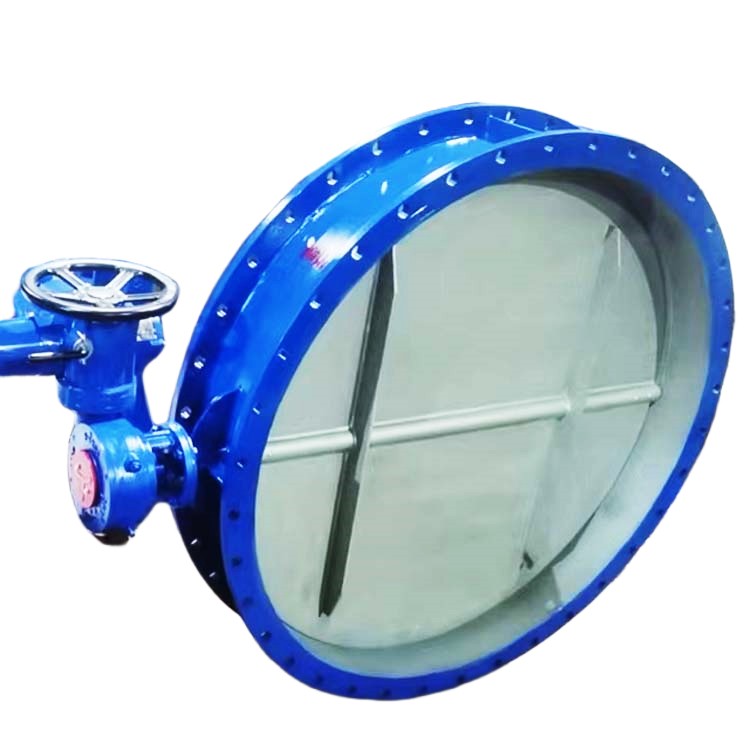
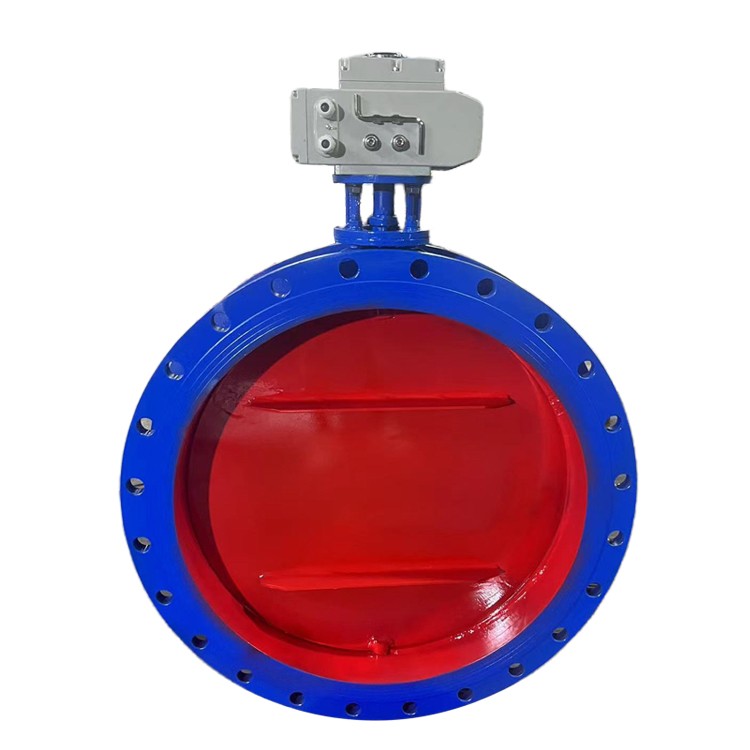
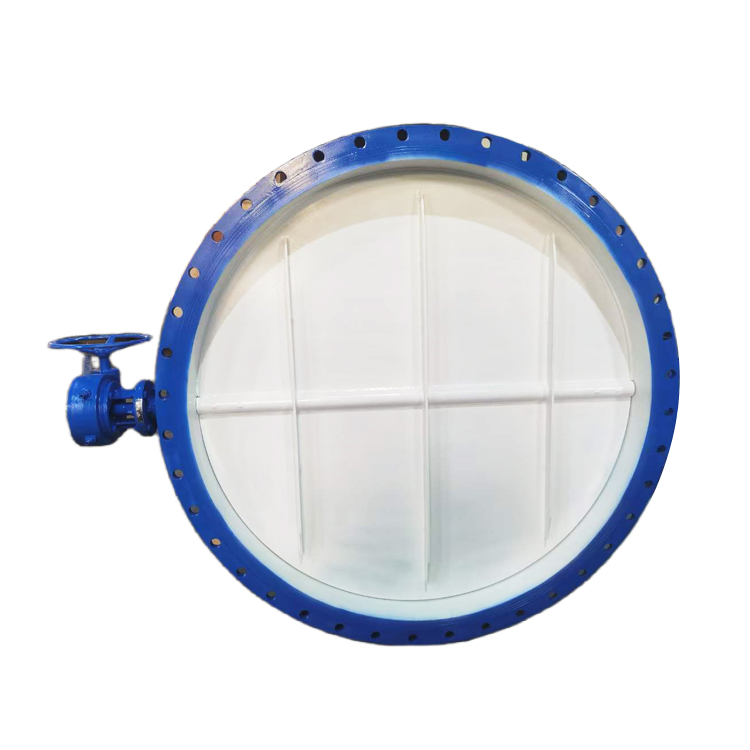

A three-way diverter valve is a device used in material conveying systems to control the rapid redirection of materials, widely used in industries such as construction materials, metallurgy, mining, light industry, and grain. It is mainly composed of the valve body, valve shaft, valve plate, crank mechanism, and drive unit (such as pneumatic push rods, electric actuators, etc.). The drive unit moves the valve plate to switch the material flow direction quickly.
Operating Principle
The working principle of the three-way分流 valve is through a drive unit (such as a pneumatic push rod or electric actuator) that generates a straight reciprocating motion, which in turn moves the valve shaft and valve plate to switch the material channels. This process is quick and flexible, with low resistance, and features overload protection, ensuring stable operation of the equipment under high pressure, high temperature, or corrosive media.
Application Fields
The three-way分流 valve finds extensive application in various fields:
Industrial Production: Used in industries such as chemicals and petroleum to control the flow of fluids in pipelines, achieving automation and continuity in the production process.
Food Processing: Used in the production of beverages, dairy products, juices, etc., to control the mixing degree of various raw materials, ensuring the taste and quality of the product.
Environmental Engineering: Used in wastewater and exhaust gas treatment to control the flow of waste water and gas, achieving effective treatment of pollutants.
Building and Municipal Engineering: Used in heating systems and urban drainage systems to regulate the flow of hot water and the discharge of rainwater, ensuring the normal operation of the system.
Agricultural Irrigation: Controls the flow and distribution of irrigation water to meet the irrigation needs of different regions and crops.
Energy Sector: Used in oil and gas pipelines to control fluid flow and distribution, ensuring stable energy supply.
Research & Experimentation: Used to control fluid flow and distribution in experiments, enhancing the accuracy and reliability of results.


















