
















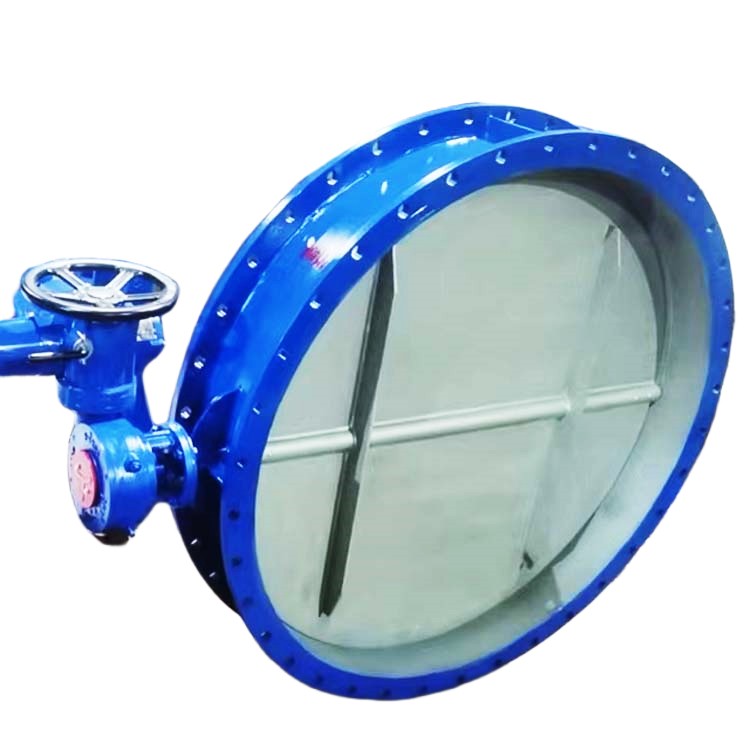
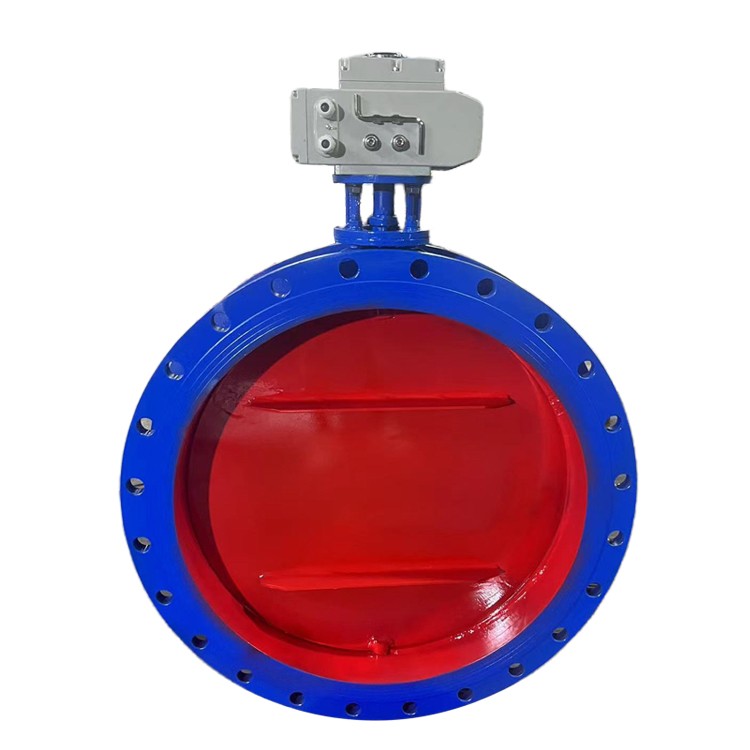
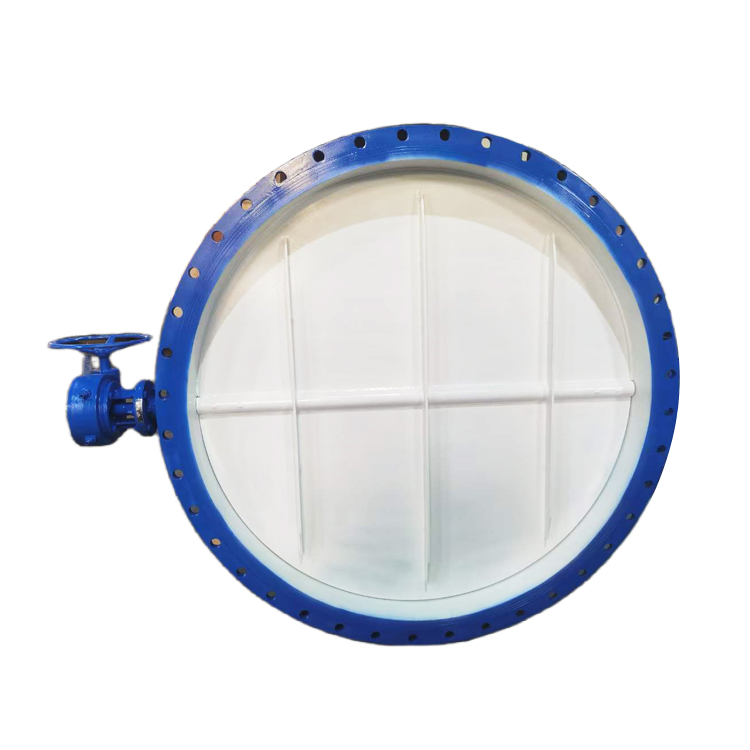

Manual plug valve, also known as manual knife gate valve or manual slide valve, is a type of valve that can be manually operated to open or close. Its core structure includes the valve body, valve plate, screw thread, and driving mechanism. The valve body is typically made of metal, offering excellent strength and corrosion resistance; the valve plate is tightly sealed with the valve body when closed, cutting off the flow of fluid; the screw thread rotates to drive the valve plate, enabling the valve to open or close.
Working Principle
The working principle of the manual plug valve is by manually operating the drive unit, which rotates the screw, thereby moving the valve plate up and down within the valve body. When the valve plate is in the open position, fluid flows smoothly through the valve; when the valve plate moves to the closed position, it is tightly sealed against the valve body, completely preventing fluid flow.
Application Scenario
Manually operated plug valves are widely used in industries such as metallurgy, mining, building materials, and grain. They are commonly paired with unloaders to control the flow or conveyance of powders, granular materials, particle materials, and small pieces. They feature a simple structure, easy operation, and low maintenance costs, making them particularly suitable for controlling media with low viscosity and flow rates.
Structural Features
The manual plug valve structure includes components such as the frame, gate, screw, nut, and handwheel. It features a compact design, small size, easy installation and removal, and is suitable for limited space environments. Moreover, the manual plug valve boasts reliable sealing, easy and flexible operation, smooth flow, and low resistance, effectively reducing fluid friction and lowering energy consumption.


















