
















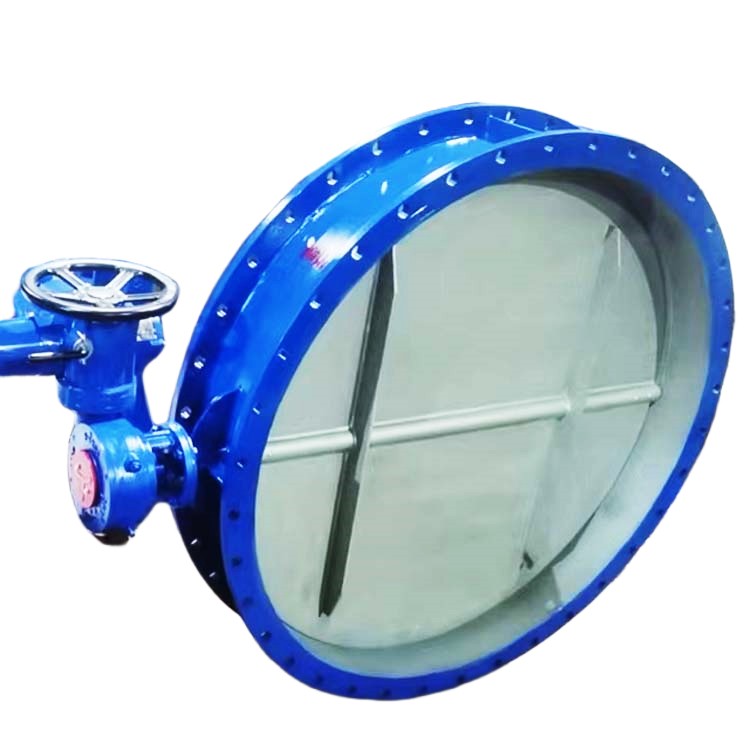
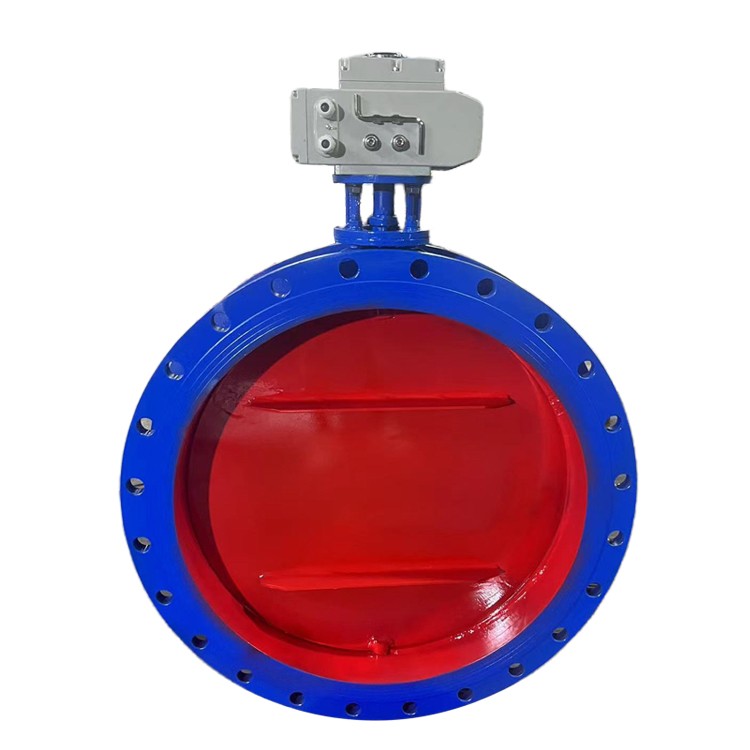
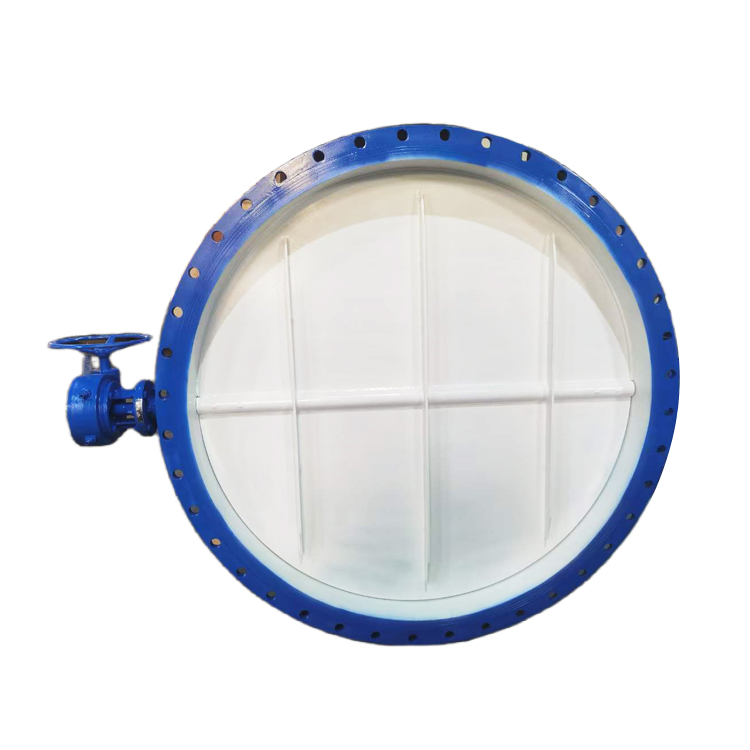

An air-pneumatic plug valve is a valve that controls fluids or materials by rotating a plug through a cylinder-driven mechanism. It is widely used in industries such as metallurgy, mining, building materials, grain, and chemicals, mainly for controlling flow changes or quickly cutting off materials.
Operating Principle
Pneumatic plug valves are driven by cylinders to rotate the plug, enabling the opening and closing of the valve. As compressed air enters the cylinder, the piston rod pushes the plug to rotate, controlling the flow of materials. When the valve is closed, it relies on the pressure power, and after opening, it automatically resets, ensuring reliable operation.
Structural Features
Pneumatic plug valves are typically composed of the valve body, sealing cover, valve core, and piping. The valve body is a rectangular plate with the valve core sliding into place. The sealing cover is set in a "V" shape and connected to the exterior of the valve body. The piping is connected to the mounting holes on the sealing cover. The valve body also features a blowing component for cleaning materials out of the slots. Additionally, pneumatic plug valves are characterized by their simple structure, easy maintenance, compact size, and light weight.
Application Scenario
Pneumatic plug valves are widely used in industries such as metallurgy, mining, building materials, grain, and chemicals, particularly in situations where flow control or rapid material cutoff is required. Their lightweight design and control performance play a crucial role in these fields.


















