



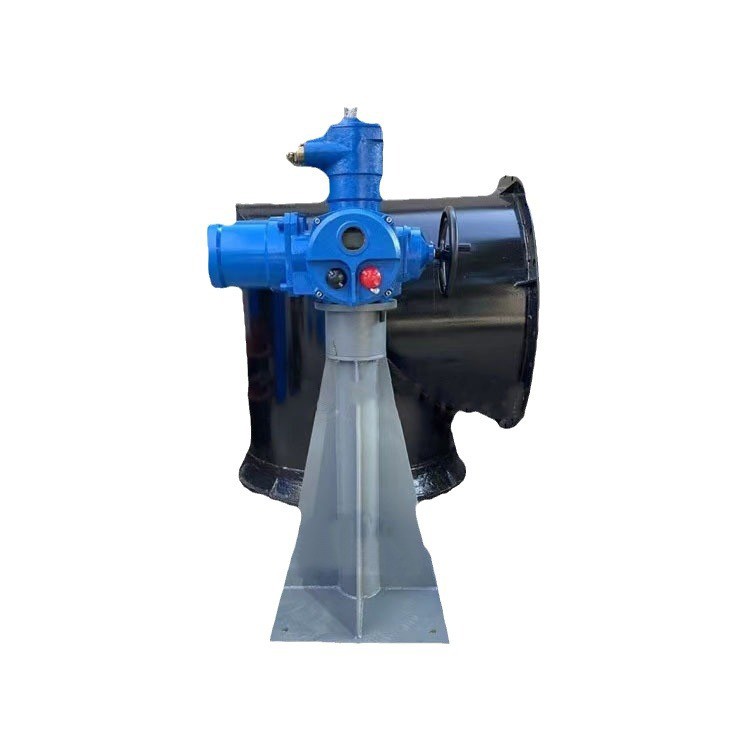















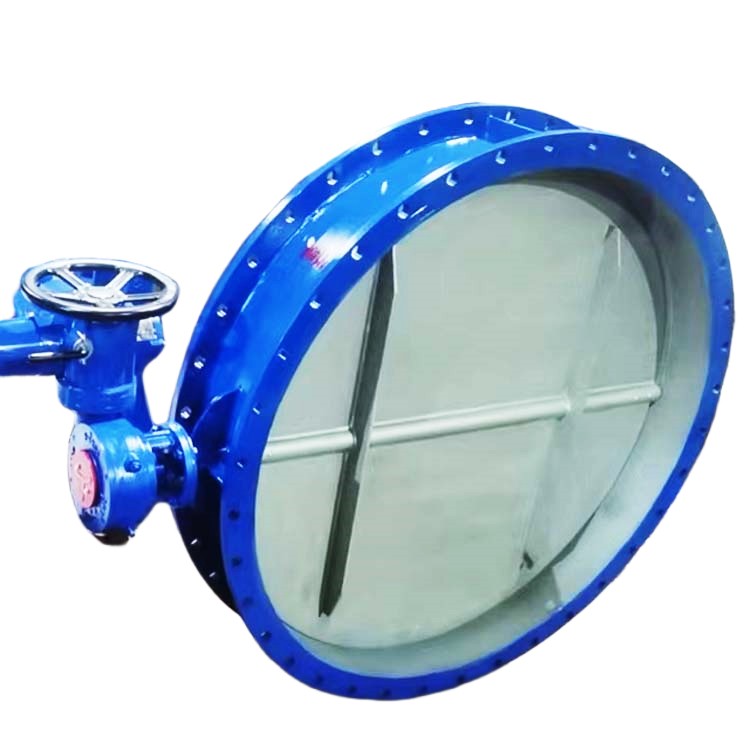
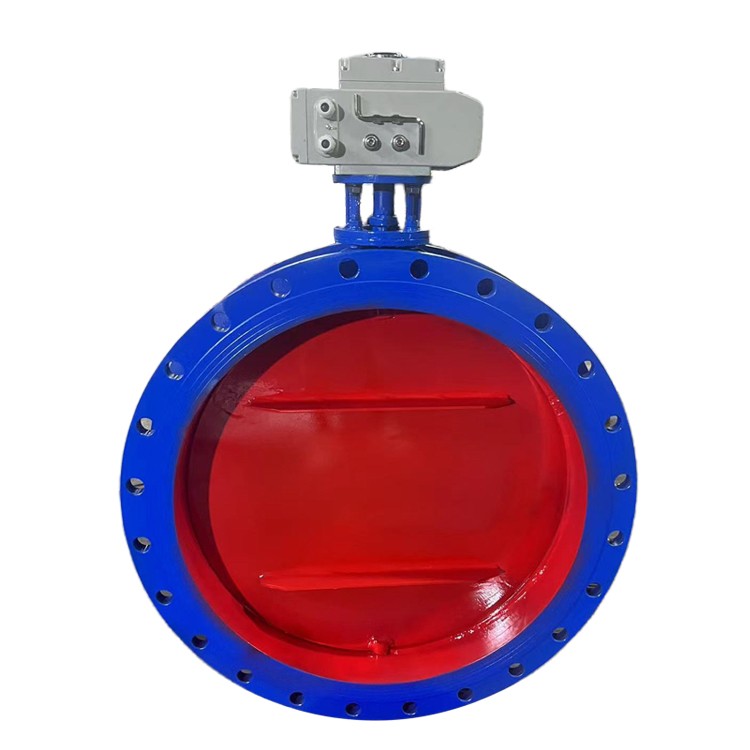
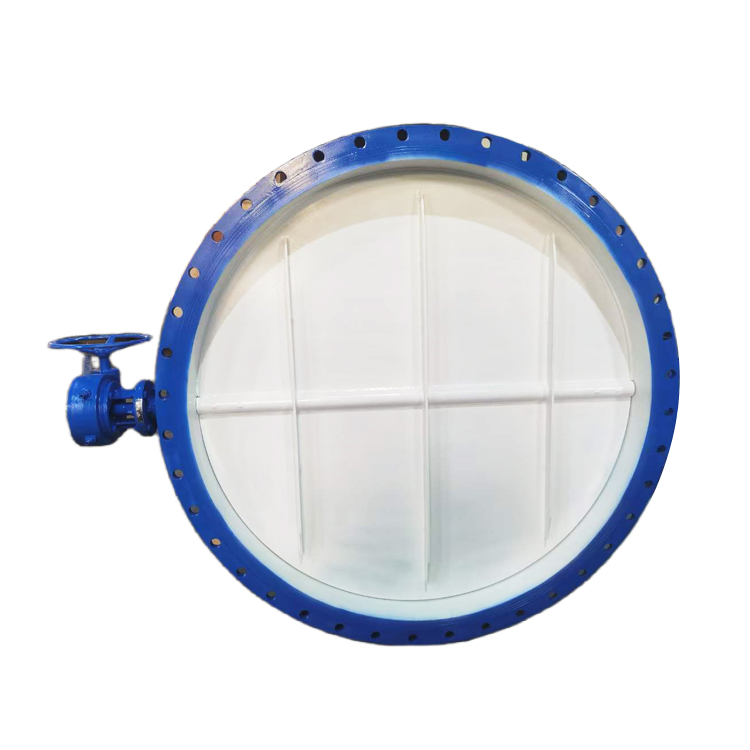

Mine drainage gate valves are specially designed equipment for distributing water in various sump wells of mine pump houses, featuring lightweight, simple structure, easy operation, and good sealing performance. Below is a detailed introduction to the mine drainage gate valves:
Types and Features
Mining water control gates mainly consist of two types:
PZ1 Type Water Distribution Valve: This is the basic model, suitable for manual operation, with a simple structure and easy operation.
PZ2 Explosion-Proof Water Distribution Gate Valve: An improved design based on the PZ1 model, featuring an electric device for automation requirements, offering greater convenience in operation.
Structure and Working Principle
Mine drainage gate operates by lifting or lowering the gate plate vertically through a valve rod to open or close. When the valve rod rotates clockwise, the gate plate is pressed down and tightly seals with the valve seat, cutting off the water flow; when rotated counterclockwise, the gate plate rises, the passage opens, and the water flow resumes. This structure effectively reduces water hammer effect, ensuring smooth system operation.
Application Scenario
Mine drainage gate is mainly used for water distribution in various suction wells of mine well pump rooms, and can also be used for water discharge in ore selection and water treatment ponds. It is suitable for water without corrosive medium, with water temperature not exceeding 80℃.
Technical specifications and installation precautions
Nominal Diameter: Ranges from 400mm to 1200mm.
Medium Temperature: Not exceeding 80°C.
Nominal Pressure: 0.1 MPa (Test Pressure: 0.25 MPa).
Operation Stroke: The stroke varies between 220mm and 350mm, depending on the model._
Please note the following points during installation:
The valve body arrow must align with the flow direction of the medium to prevent reverse installation, which could lead to seal failure.
Large-bore valves require additional reinforced supports to prevent pipeline vibration from affecting sealing properties.
Ensure even tightening of bolts diagonally during flange connection to ensure uniform load distribution.
Provide sufficient valve rod operating space for easy manual adjustment or replacement of packing in the future.


















