
















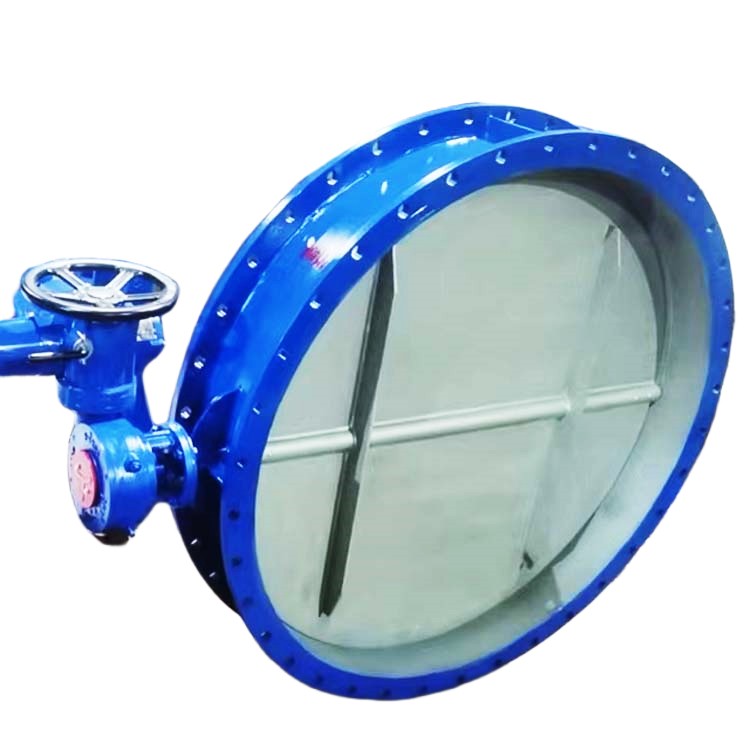
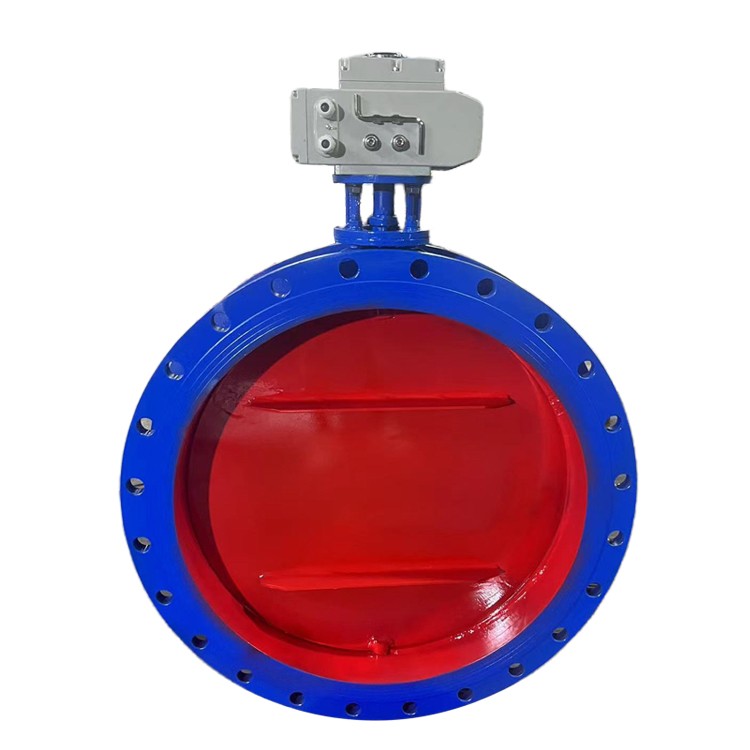
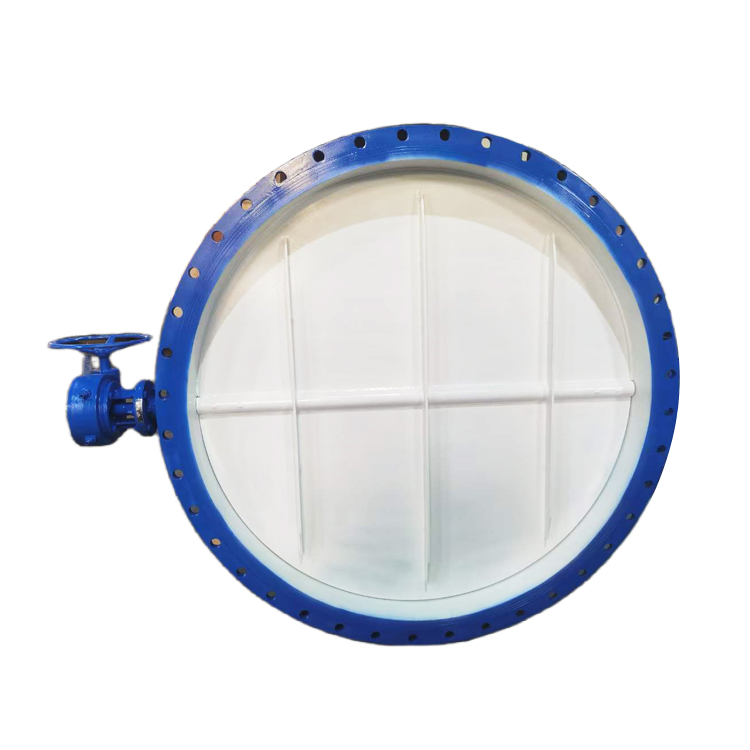

Electro-hydraulic channel gates are valves driven by electro-hydraulic actuators, primarily used for controlling fluid flow rate and direction. Their basic components include the valve body, gate plate, electro-hydraulic actuator, sealing ring, and valve seat. The actuator drives the gate plate for horizontal reciprocating movement, achieving the opening and closing function, and the gate plate compresses the sealing ring to form a seal.
Working Principle
Electro-hydraulic channel gates are driven by electro-hydraulic rods to move the gate plate horizontally back and forth, achieving the opening and closing function. The gate and seal are compressed to form a seal, and the gate is pressed against the valve seat by the medium pressure to achieve sealing. Some models use forced sealing.
Structural Features
The electro-hydraulic channel gate features a compact structure, with a square straight-through channel design that minimizes flow resistance, occupies less floor space, and is easy to install. It boasts stable sealing performance, a long service life, and is suitable for high-frequency opening and closing operations.
Application Scenarios
Electro-hydraulic channel gates are widely used in various industrial fields, including:
Mine: Coal bin unloading, material flow control.
Power/Metallurgy: conveying pipeline adjustment in high-temperature dust environment.
Hydroengineering: Canal water storage, agricultural irrigation sluices.
Special Conditions: Explosion-proof electric hydraulic actuators are required for explosion-proof areas, and low-temperature hydraulic oil and sealing components need to be customized for extremely cold regions.


















