
















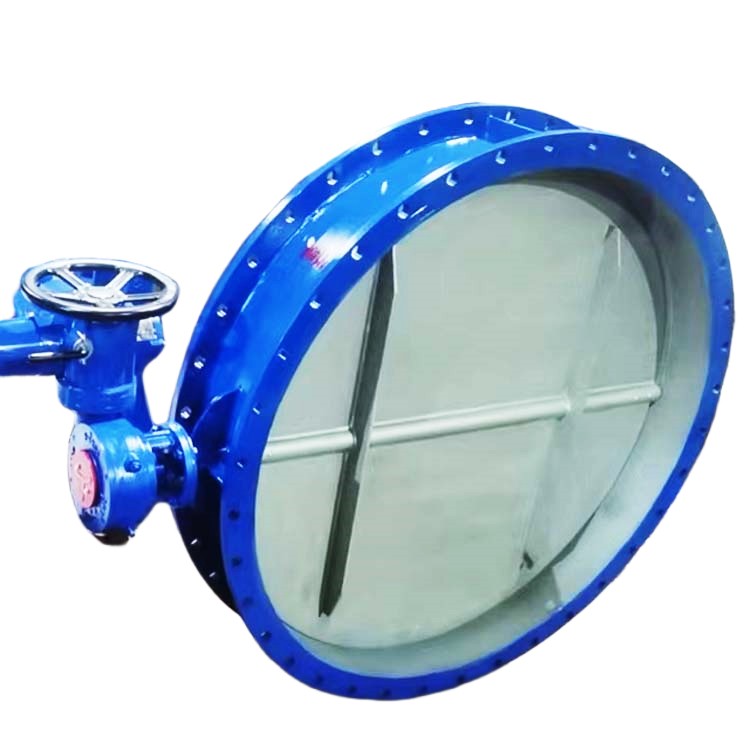
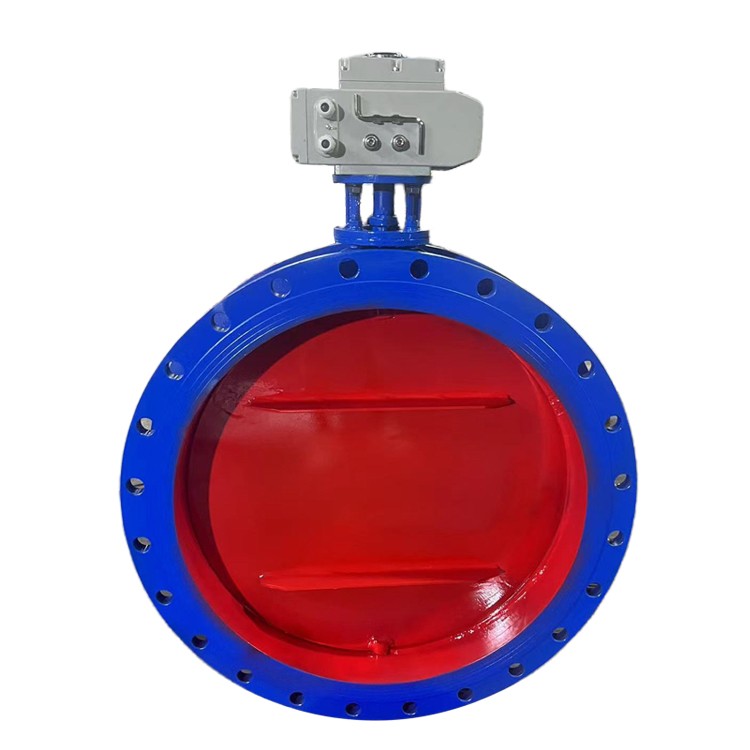
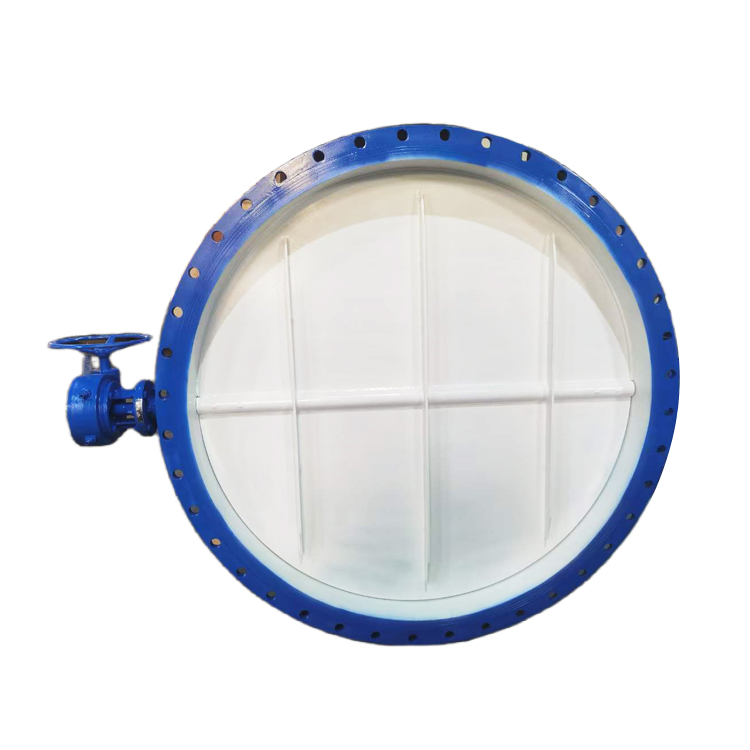

Cast iron sluice gates are gates primarily made of cast iron, commonly used for controlling the opening and closing of water flow, often found in hydraulic projects such as reservoirs, rivers, and hydroelectric power stations. They feature high strength, wear and corrosion resistance, capable of withstanding significant water pressure, with low maintenance costs and a long service life.
Structure and Working Principle
The cast iron gate is primarily composed of gate frame, gate plate, hanging bracket, and tight closure angle iron, among other components. The gate plate is the structure that directly withstands water pressure, while the gate frame serves as the support for the gate plate and the running guide rail. The gate frame is typically installed and secured with anchor bolts in the secondary concrete of the weir pier and weir bottom plate, evenly transferring the water pressure exerted on the gate plate to the bottom of the chamber.
Categories and Uses
Cast iron gates are categorized into two main types based on the shape of the gate leaf: PZ flat gates and PGZ arched gates. They are further divided into two types of construction: integral and assembled. Small-sized gates are typically made in an integral design, while gates of medium size and above can generally be assembled for easier transportation and installation. Cast iron gates are widely used for regulating flow, controlling water levels, or acting as water barriers for maintenance gates, suitable for various hydraulic engineering and industrial applications.


















