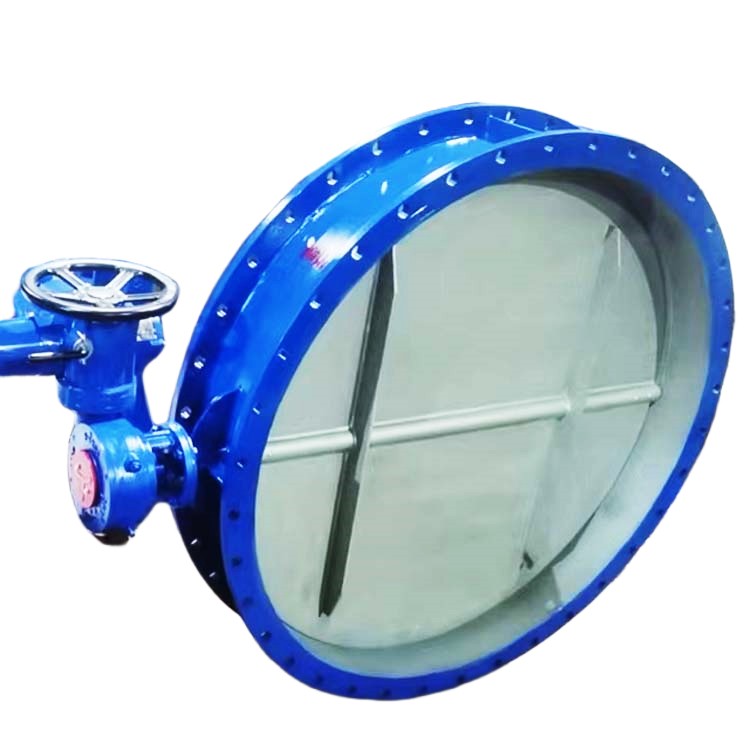
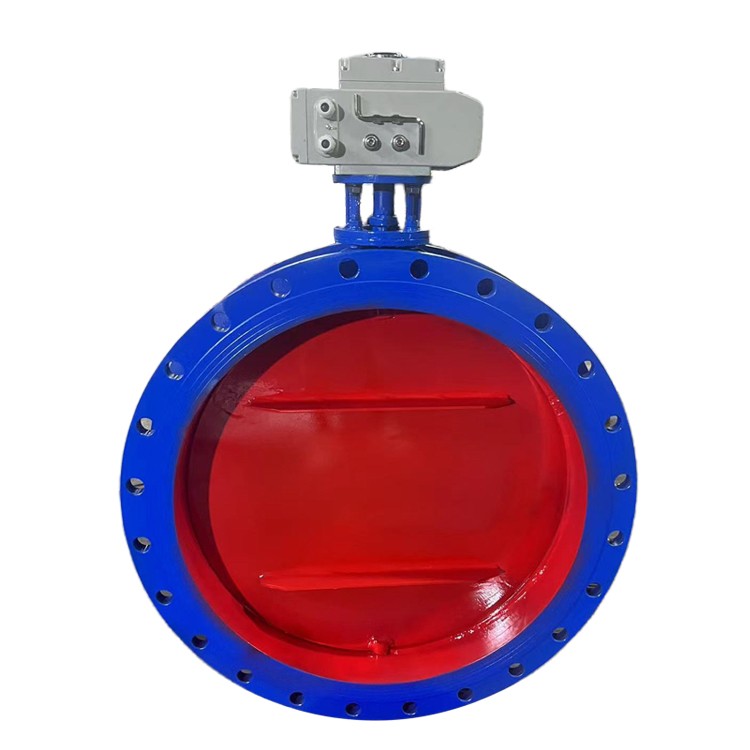
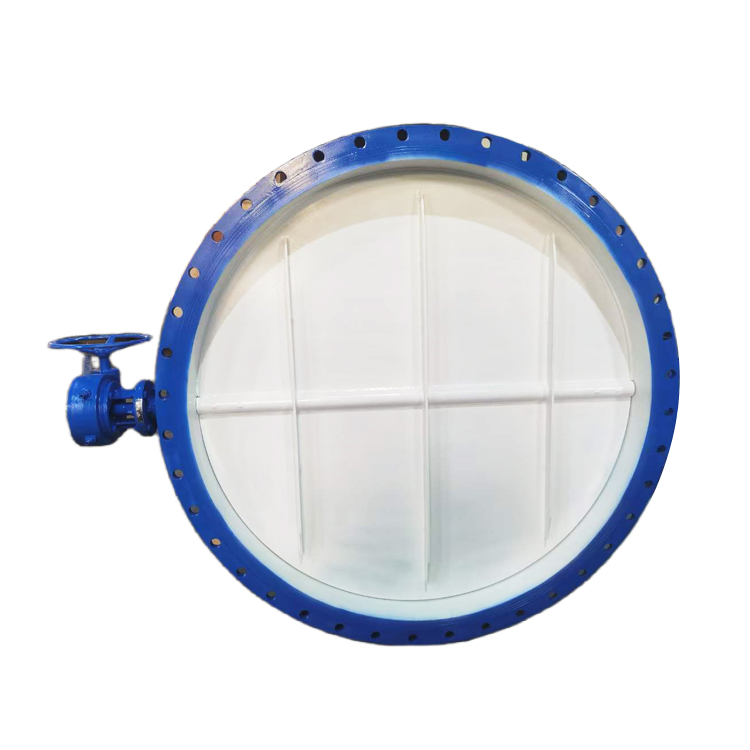

Chainwheel gate valve, also known as a knife gate valve, is an industrial product with specific structure and functions. Its structure is relatively simple and compact, mainly composed of the valve body, gate plate (knife plate), valve stem, transmission device, and sealing parts. The bottom of the gate plate features a knife-shaped oblique cut, which is its distinctive structural characteristic. The valve body is typically designed with reinforcing ribs to enhance strength, enabling it to withstand higher pressure and more severe working conditions.
Working Principle
The working principle of the gate valve is based on the vertical movement of the gate plate to control the flow and cutoff of the medium. When the valve needs to be closed, the drive mechanism moves the valve rod downward, causing the gate plate to slide down along the guide rail of the valve body until the sealing surface of the gate plate is tightly sealed against the valve seat, thereby cutting off the flow of the medium. Conversely, when the valve needs to be opened, the drive mechanism moves the valve rod upward, lifting the gate plate away from the valve seat, allowing the medium to pass through the valve.
Application Fields
Chainwheel gate valves are widely used in various fields:
Pulp and Paper Industry: Processes large quantities of pulp, fibers, and other materials.
Mining Industry: Used for coal selection and slag removal in mines.
Power Industry: Control the discharge of ash-water mixture in the desulphurization system of power stations.
Wastewater Treatment: Widely used in urban sewage treatment plants and industrial wastewater treatment systems.
Food Industry: Fluid material conveying control for food processing.
Maintain and service
To ensure the long-term stable operation of the sprocket-type gate valve, regular maintenance and care are required. Specific measures include:
Regularly inspect the appearance of the valve body and valve to ensure no damage or leakage. In case of any damage or leakage, replace or repair promptly.
Clean the valve and sealing surfaces of the clean gate valve using a cleaner and a soft brush.