










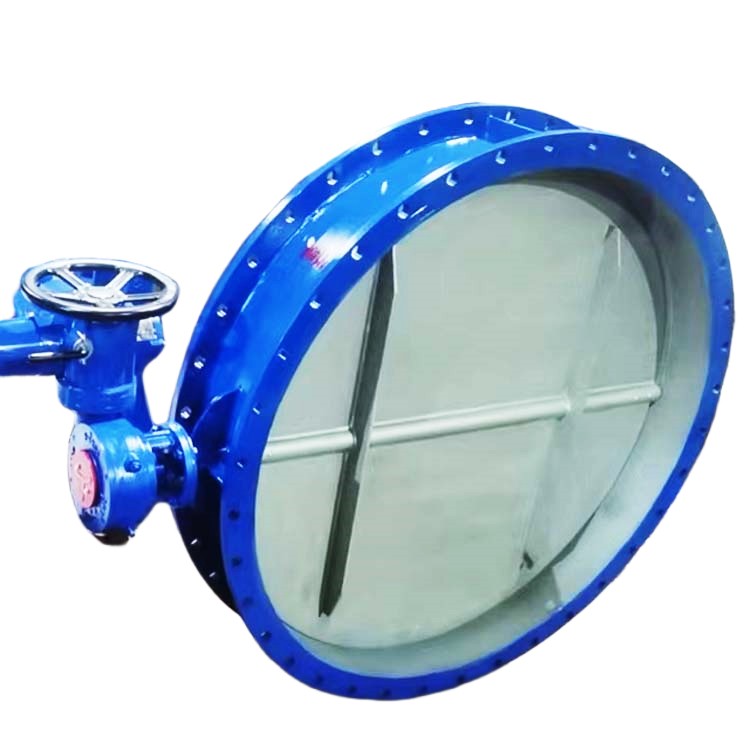
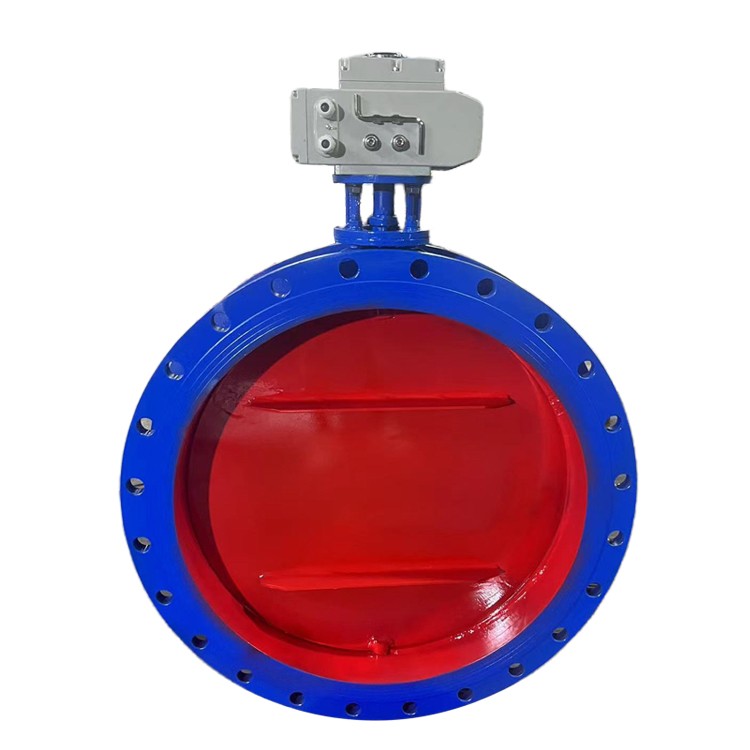
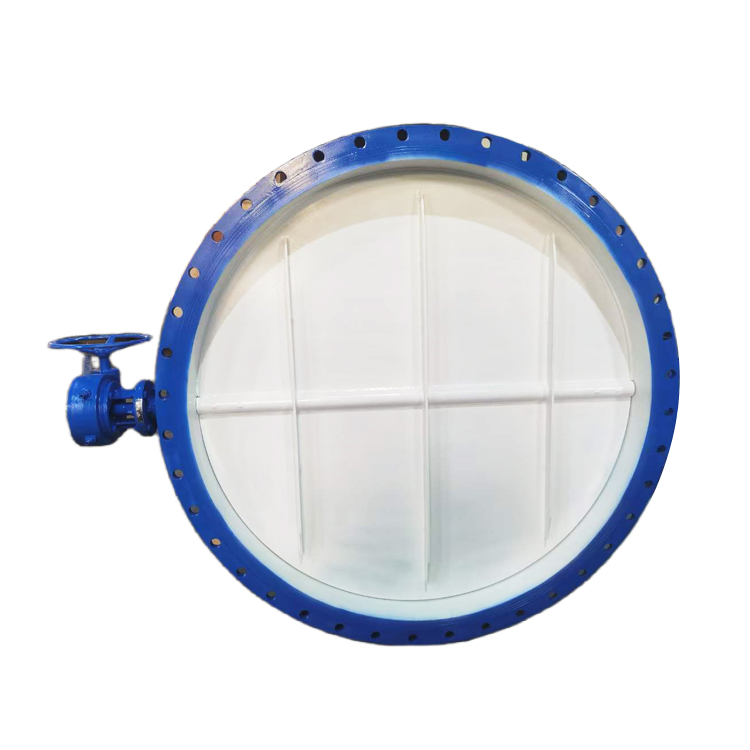

A manual gate valve is a crucial fluid control device, primarily used for regulating and cutting off the flow of media. Its operation principle is based on the vertical movement of the gate plate, which is driven by manual operation of the actuating mechanism (such as a handwheel) to move the valve rod up and down, thereby opening and closing the valve. When the valve needs to be closed, the manual actuating mechanism drives the valve rod downward, causing the gate plate to slide down the valve body's guide rail until the sealing surface of the gate plate is tightly sealed against the valve seat, thereby cutting off the flow of the media; conversely, when opening the valve is required, the manual actuating mechanism drives the valve rod upward, lifting the gate plate away from the valve seat, allowing the media to pass through the valve.
Structural Features
The manual knife gate valve has a relatively simple and compact structure, primarily consisting of the valve body, gate plate, valve rod, and seals. The gate plate typically features a blade-like design with shearing capabilities, enabling it to cut through debris like fibers and pulp in the medium, thus preventing valve clogging and ensuring pipeline smoothness. The gate plate has two sealing surfaces, commonly arranged in a wedge shape, with the wedge angle varying according to the valve specifications, usually around 50°. Depending on the type of sealing surface, the manual knife gate valve's gate plate can be categorized into rigid and elastic types.
Performance Advantages
Sealed Reliability: The manual knife gate valve boasts excellent sealing performance, primarily relying on the medium pressure to force the sealing surface of the gate plate against the valve seat on the opposite side to ensure the sealing integrity. In the closed position, external force can also be used to forcibly push the gate plate against the valve seat, further enhancing the sealing effect.
Operation Simplified: Manual operation makes the valve's on/off process more convenient and quick, without the need for additional power sources._
Abrasion and corrosion-resistant: The materials for gate and valve seats are typically selected as abrasion and corrosion-resistant alloys, stainless steel, or special coated materials to accommodate various harsh working environments._
Low maintenance cost: The manual knife gate valve has a simple structure, which is easy to manufacture, install, and maintain, thus reducing operational costs.
Application Scenarios
Manual knife gate valves are widely used in various fields:
Pulp and Fiber Processing Industry: Designed to handle mediums such as pulp and fibers, it can cut through debris within the medium, ensuring the unobstructed flow of pipes.
Wastewater Treatment: Designed for urban wastewater treatment plants and industrial effluent treatment systems, it effectively removes suspended solids, fibers, and other impurities from wastewater.
Mining Industry: Used for coal selection and slag removal in mines, capable of processing media containing impurities such as coal gangue and ore particles.
Food Industry: Control the conveyance of fluid materials in food processing, such as in the production of milk, juice, beer, etc., where cutoff and passage of these materials can be achieved on the pipeline.