



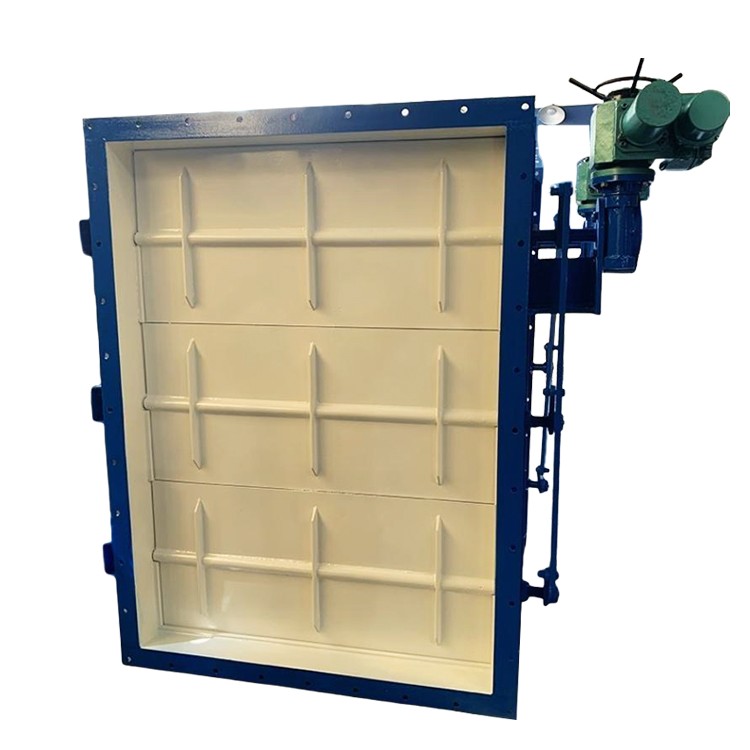















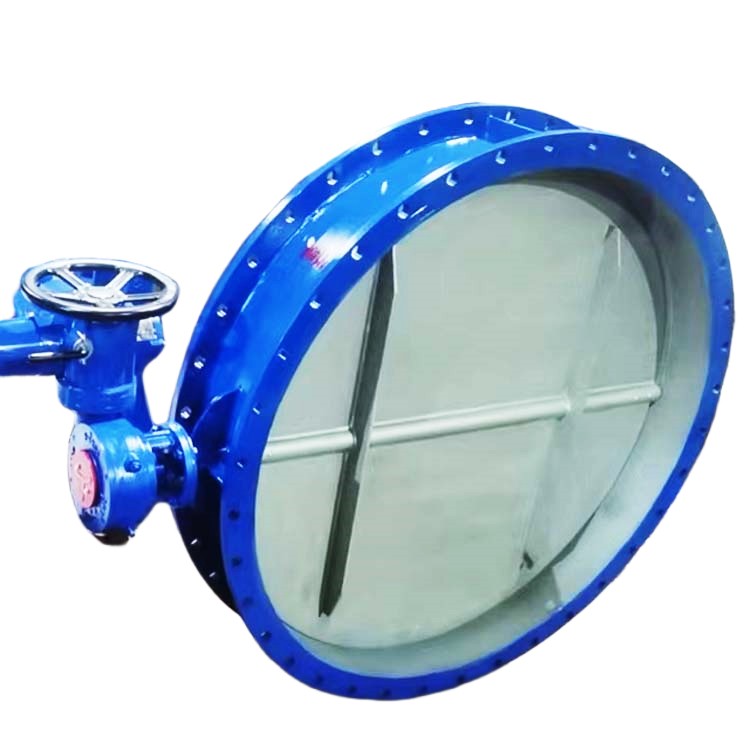
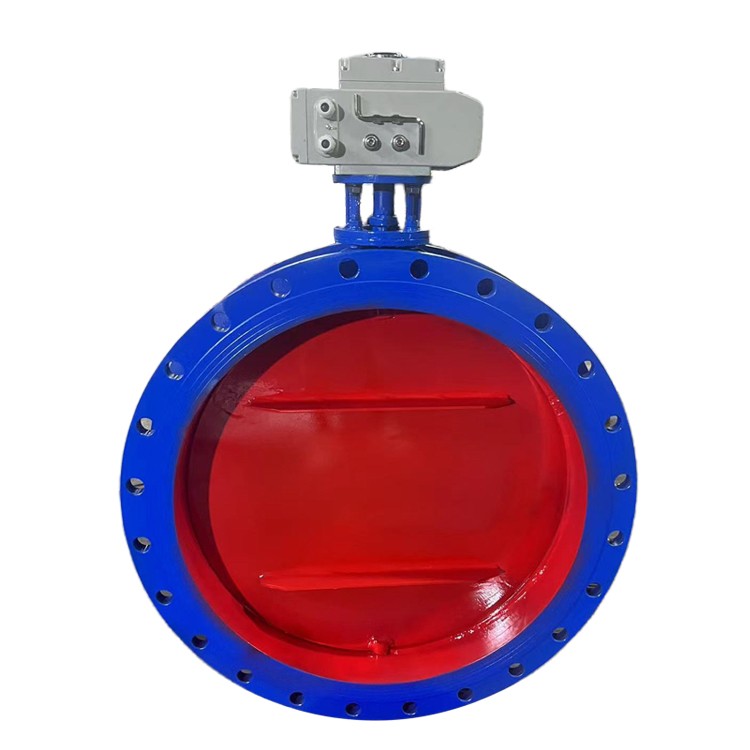
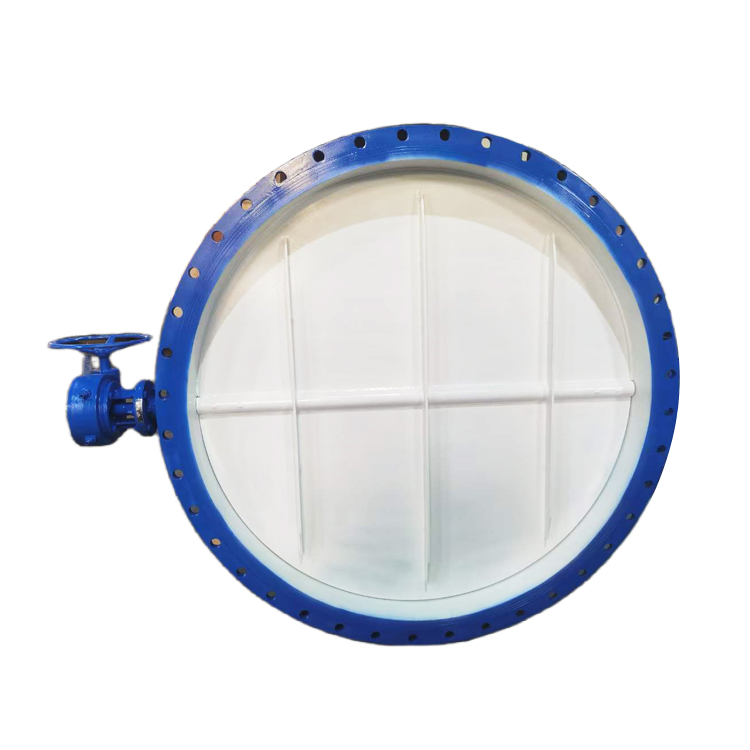

Electrical rectangular louvre valve is a regulating valve featuring adjustable characteristics, mainly used for adjusting medium flow, large-area medium cutoff, or reducing medium pressure.
Basic Structure and Working Principle
The electric rectangular louvre valve is composed of main components such as the valve body, louvre blades, valve shaft, linkage mechanism, and electric unit. Its working principle involves the output torque from the electric unit being transmitted to the valve shaft through a primary worm gear drive, which then drives the linkage mechanism, causing multiple louvre blades to rotate synchronously. This alters the cross-sectional area of the pipeline, achieving the effect of regulating medium flow, large-area medium cutoff, or reducing medium pressure. The adjustable angle ranges from 0 to 90°.
Application Scenario
Electric rectangular louver valves are widely used in fans, air conditioners, electrostatic precipitators, and large-scale pipelines in industries such as metallurgy, construction materials, electricity, petrochemicals, and light industry. They are capable of electric or manual adjustment and cutting off dust and gases, particularly suitable for cooling air, coal gas, air, and flue gas pipelines in systems like hot blast furnaces, heating furnaces, heat exchangers, and dust collectors in metallurgical systems.
Technical Specifications
Nominal Bore Size: DN120x120~3000x3000mm
Temperature Range: ≤300°C (some models up to ≤500°C)
Work Pressure: ≤0.1 MPa
Applicable Medium: Coal content, flue gas, air, gas, and other gases
Drive Type: Electric, Pneumatic, Hydraulic, Electro-hydraulic
Flange Standard: GB/T9115-98
Connection Size: GB/T2555-81 PN2.5
Testing Method: GB/T13927-92


















