
















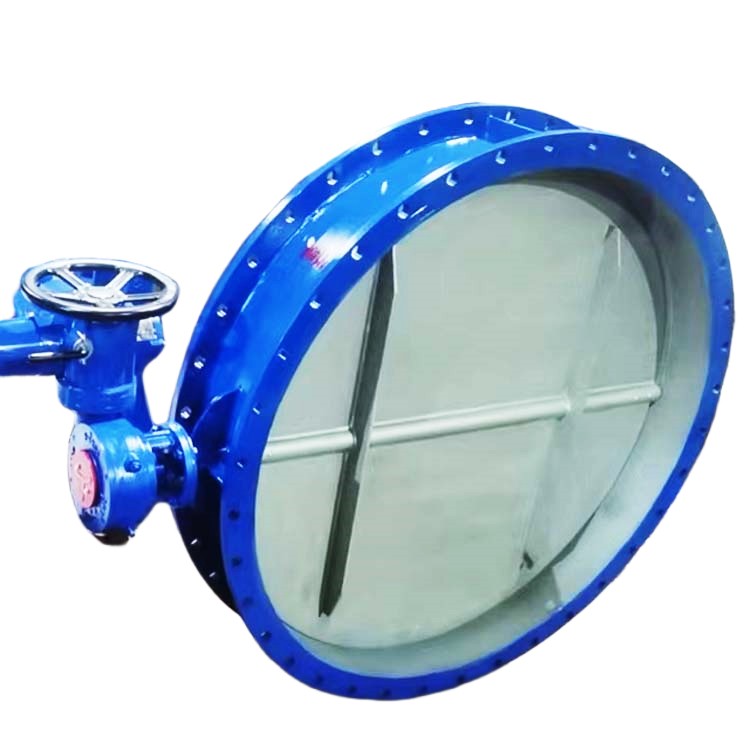
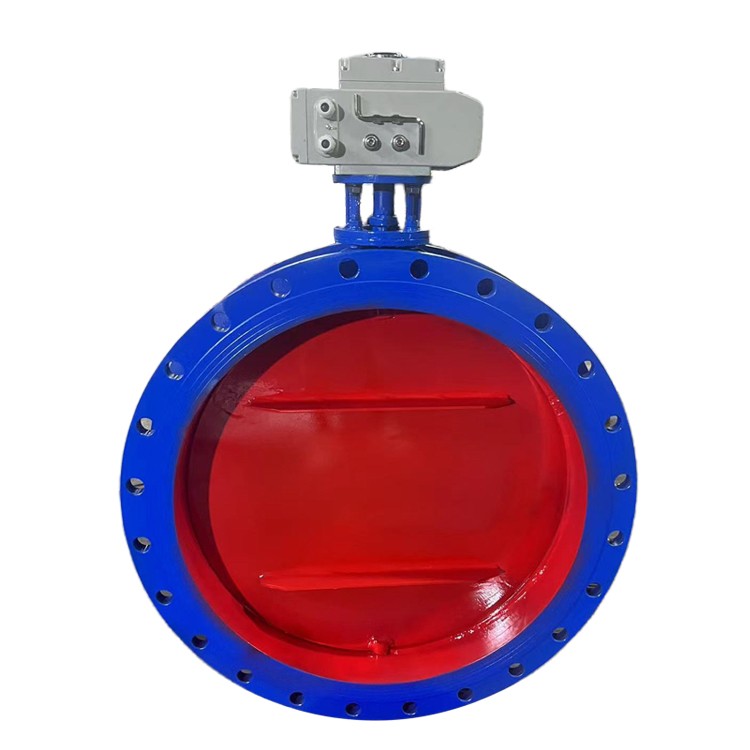
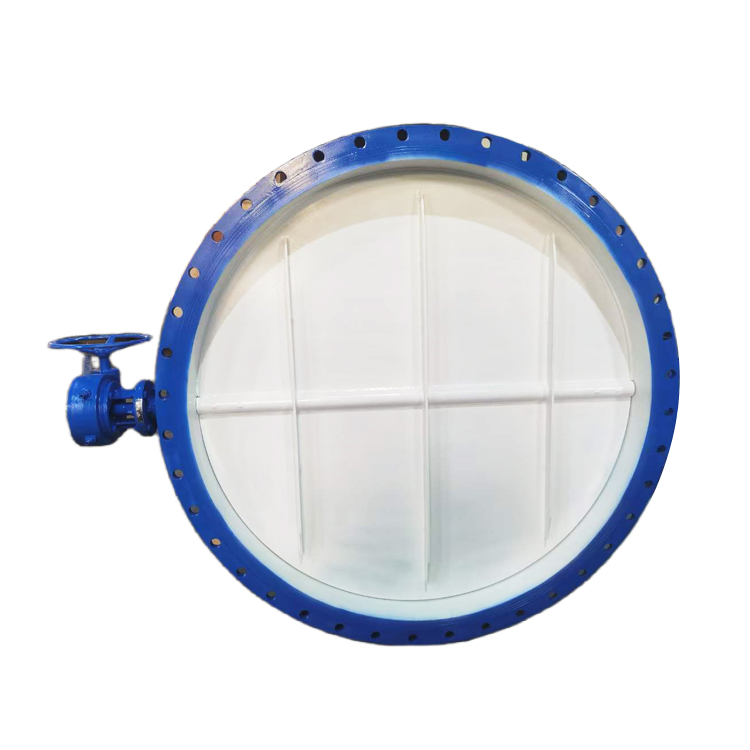

Flap Type Sealed Butterfly Valve, also known as a butterfly valve, is a simple structural regulating valve primarily used for switching control of medium in low-pressure pipelines. Its core component is the closure piece (usually a valve disc or butterfly plate), which is round and opens or closes by rotating around the valve shaft.
Structure and Working Principle
The butterfly valve is composed of four main parts: the valve body, valve stem, butterfly plate, and sealing ring. The valve body is typically designed in a cylindrical shape with a short axial length and houses the butterfly plate internally. The butterfly plate rotates within the valve body along its own axis, effectively controlling fluid flow. Its operating principle involves the reciprocating rotation of a disk-shaped opening and closing element within the valve body by approximately 90°, thereby achieving the opening, closing, or flow regulation of the medium.
Application Scenario
Butterfly valves are widely used in various fluid control applications, including air, water, steam, corrosive media, sludge, oils, liquid metals, and radioactive materials. In large-diameter regulating fields, butterfly valves are extensively utilized due to their excellent flow control characteristics. Additionally, butterfly valves are also widely applied in various industrial fields for their compact structure, lightweight, and easy operation.
Pros and Cons
Advantages:
Simple Structure: Compact design, small footprint, and lightweight.
Easy Operation: Low driving torque, quick opening and closing.
Flow Control Excellence: Offers low flow resistance when fully open, and enables sensitive flow control when partially open.
Wide Range of Application: Suitable for various media, including corrosive and radioactive media.
Drawbacks:
Significant pressure loss: Pressure loss within the pipe is about three times that of a gate valve, and the impact of pressure loss on the piping system must be considered.


















