
















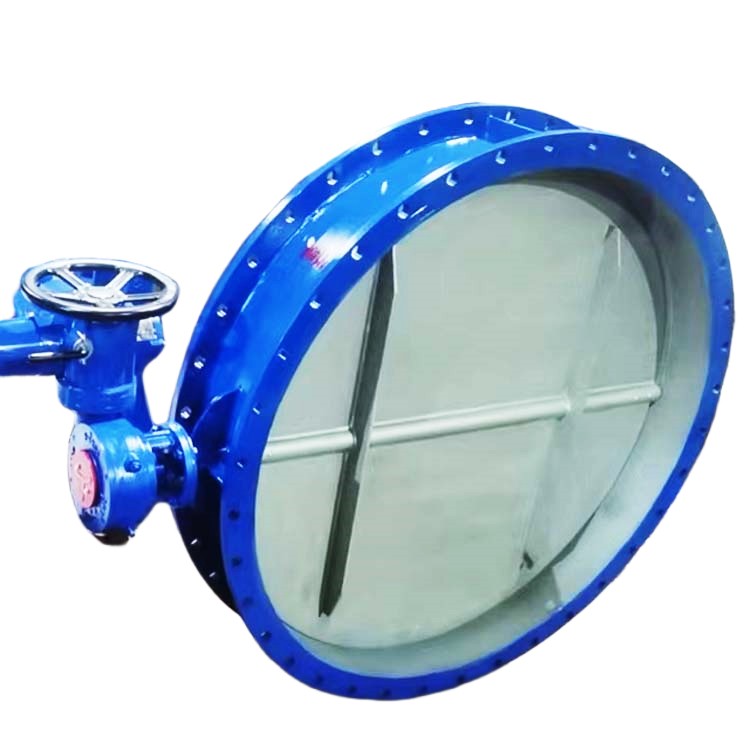
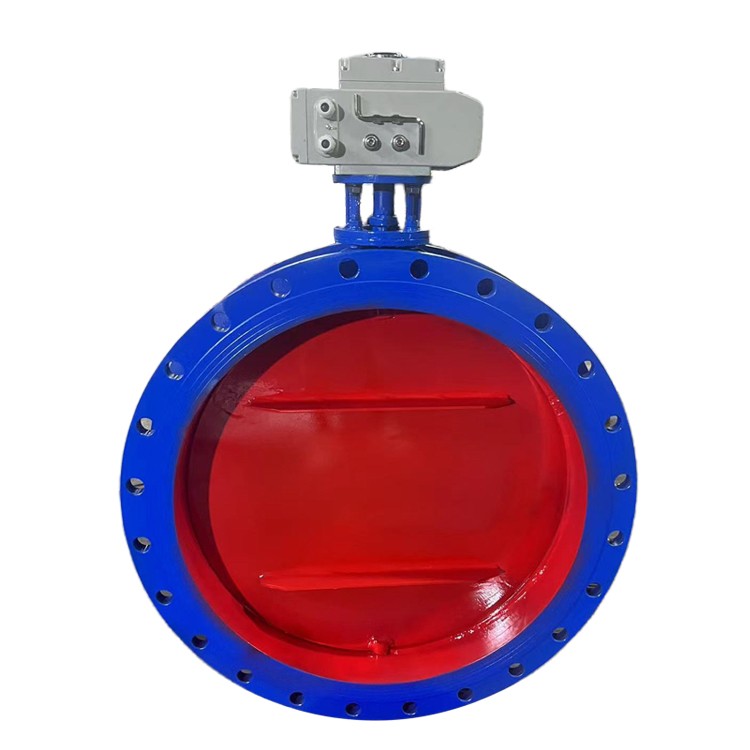
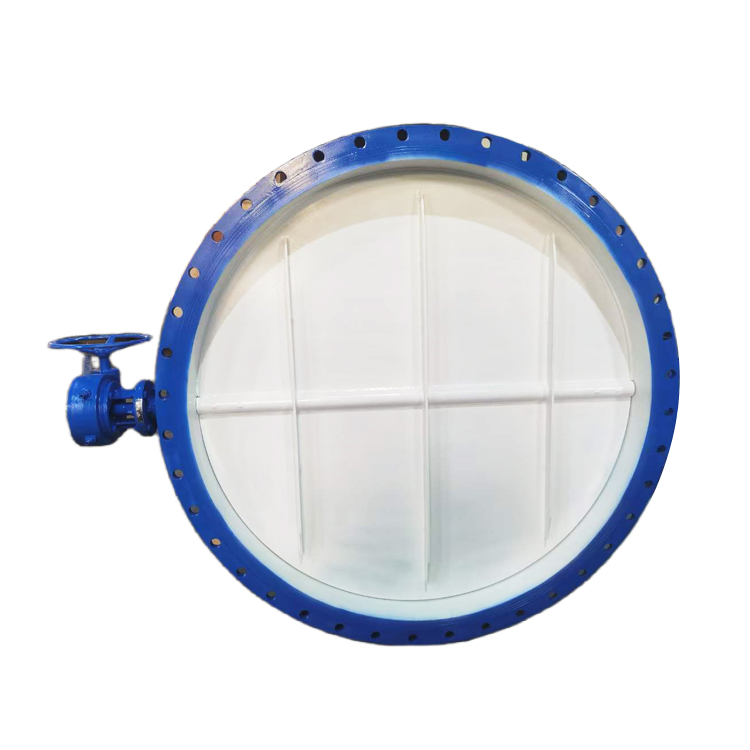

Pneumatic Airflow Butterfly Valve is a widely-used fluid control device in various industrial fields such as ventilation, environmental protection, chemical industry, electricity, and metallurgy. It operates by driving the valve plate to rotate through a pneumatic actuator, thereby controlling the flow rate and pressure of the medium in the pipeline. Compared to manual butterfly valves, the pneumatic airflow butterfly valve boasts high automation, fast response speed, and precise control, making it particularly suitable for industrial applications requiring remote or automated control.
Basic Structure
Pneumatic butterfly valves are mainly composed of the following parts:
Body: Typically made of cast iron, carbon steel, or stainless steel, forming the main structure of the valve.
Valve Plate (Gate Plate): A circular or elliptical metal plate that controls the flow of medium through rotation.
Valve shaft: The transmission component that connects the valve plate with the actuator.
Sealing Components: Ensure sealing performance when the valve is closed.
Pneumatic actuator: A device that converts pneumatic energy into mechanical rotational motion.
Locator and Control Accessories: For valve positioning control.
Working Principle
The pneumatic butterfly valve's on/off action is based on the "rotary" operating principle:
Starting Process: As compressed air enters the cylinder of the pneumatic actuator, it pushes the piston or diaphragm to generate linear motion, which is then converted into rotary motion through a gear rack or linkage mechanism. This rotates the valve shaft by 90°, causing the valve plate to rotate from a perpendicular position to the pipeline to a parallel position, thus fully opening the valve.
Closure Process: When compressed air is exhausted from or supplied in reverse to the actuator, the actuator resets under the force of the spring or reverse pressure, causing the valve shaft to rotate 90° in reverse, bringing the valve plate back to a vertical position, thereby closing the valve.
Categories and Performance Features
Pneumatic ventilation butterfly valves can be categorized in various ways:
By Material Type: Stainless Steel Pneumatic Butterfly Valves, Carbon Steel Pneumatic Butterfly Valves, etc.
By Sealing Type: Hard Seated Pneumatic Butterfly Valves, Soft Seated Pneumatic Butterfly Valves. Hard seated pneumatic butterfly valves use metal or alloy materials for the sealing surface, suitable for high temperature, high pressure, or corrosive media; soft seated pneumatic butterfly valves use soft materials like rubber, polytetrafluoroethylene, etc., for the sealing surface, offering good sealing performance and corrosion resistance.
By structural type: Pneumatic Wafer Butterfly Valves and Pneumatic Flanged Butterfly Valves. Wafer butterfly valves are compact, lightweight, and easy to install; flanged butterfly valves offer strong connections and good sealing performance.


















