








I. Product Introduction:
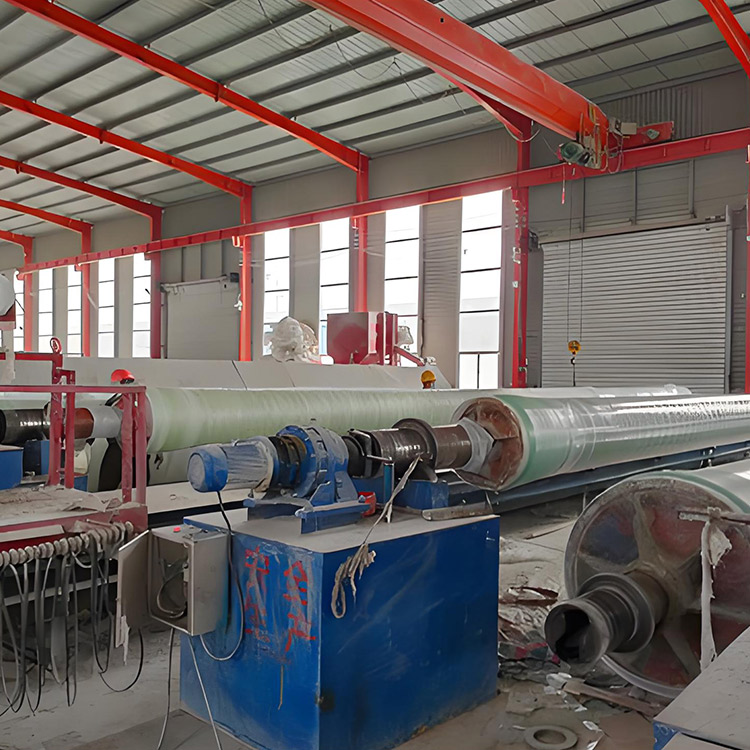
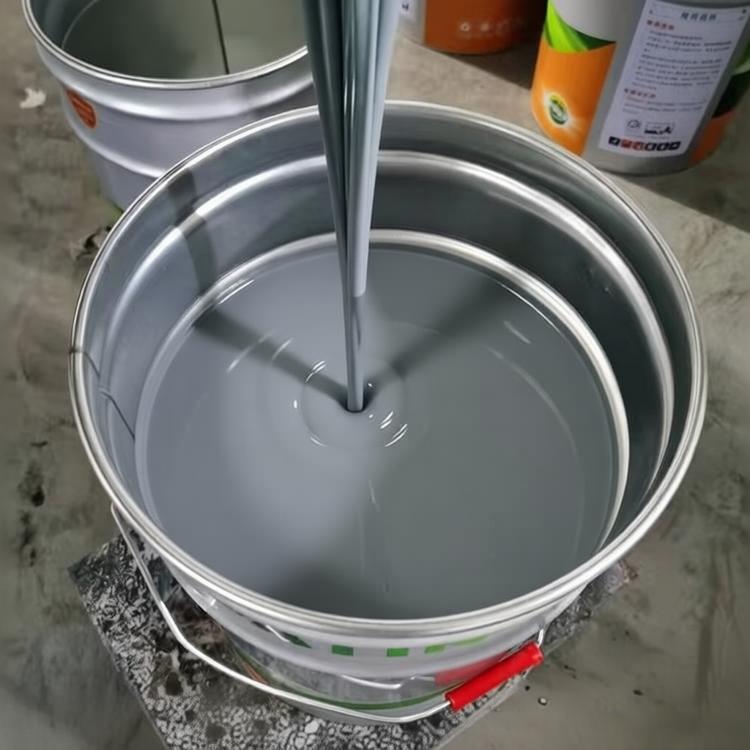
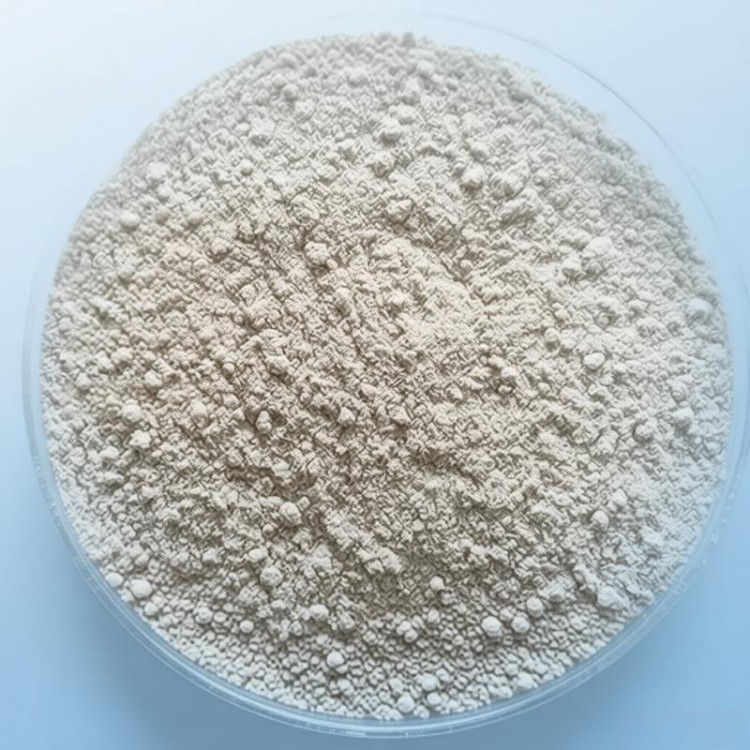
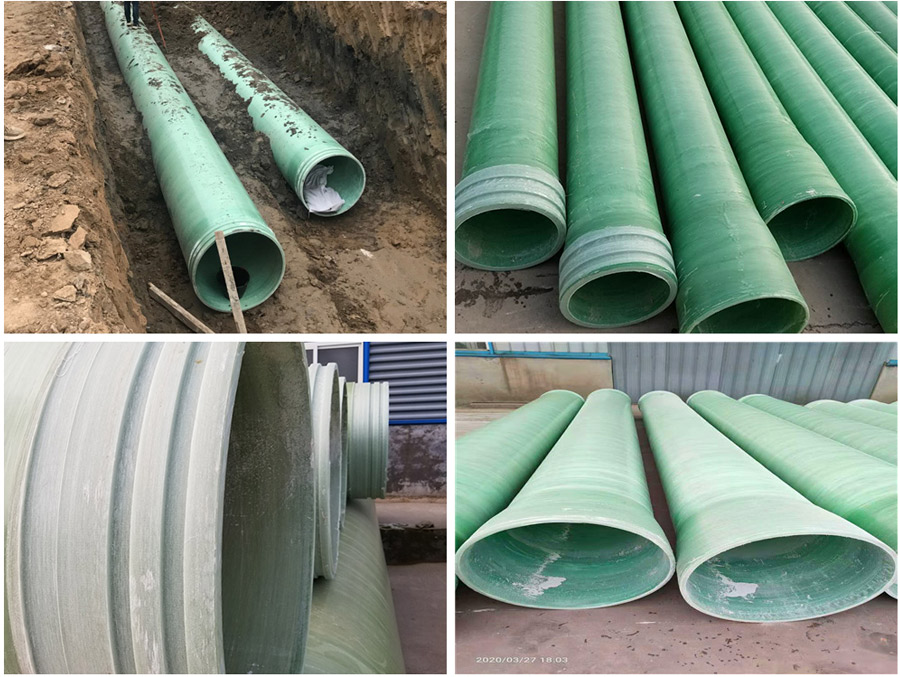
1. Glass fiber reinforced plastic (GFRP) sand-filled pipes are a lightweight, high-strength, and corrosion-resistant non-metallic pipeline. They are made by winding layers of glass fiber around a rotating mandrel, using resins (unsaturated resins, vinyl resins, epoxy resins) as the matrix, and then uniformly laying quartz sand at a distance between the fibers to form the sand-filled layer. The pipe wall structure is rational and advanced, fully utilizing the material's properties. It enhances stiffness while maintaining the required strength, ensuring product stability and reliability.
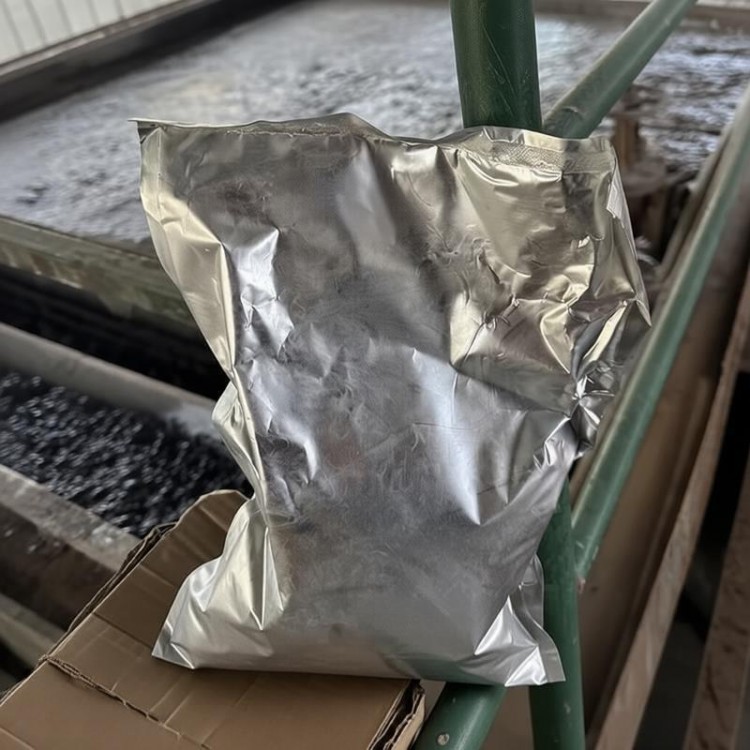
2. Glass fiber reinforced plastic (GRP) sand pipes are widely accepted due to their excellent chemical resistance, light weight, high strength, non-scaling, strong seismic resistance, longer service life compared to ordinary steel pipes, lower overall cost, quick installation, and safety. These pipes are used in industries such as petroleum, chemical, and drainage. The production and application of GRP pipes in our country are developing rapidly, with the quantity increasing year by year and the scope of application expanding to more departments. The pipes are made using resins (food-grade resins for drinking water transportation), glass fibers, and quartz sand, processed through special techniques.
Section II: Product Features:
1. Lightweight and High-Strength: The specific gravity of glass fiber-reinforced plastic (GRP) sand pipes is between 1.65-2. Compared to the same diameter pipe length, their weight is only 1/3 of carbon steel, 1/5 of cast iron pipes, and 1/10 of prestressed concrete pipes. This reduces hoisting costs during construction and speeds up installation.
2. Excellent hydraulic properties: This feature is particularly prominent in the field of water supply and drainage, with good hydraulic characteristics. It can save costs for pipeline pumping, reduce pipe diameter sizes, shorten pumping time, and ensure FRP pipes do not scale over long-term water transport, eliminating the need for cleaning and preventing secondary water pollution.
3. Excellent Water and Corrosion Resistance: The glass-fiber reinforced sand pipe offers superior corrosion resistance, reducing anti-corrosion costs and extending service life. Additionally, due to its non-rusting nature, it ensures the water quality during transportation is not subject to secondary pollution. It can also be used for conveying wastewater, slurry, seawater, and other media.
4. Pressure Resistance: Design and manufacture pipes and fittings according to the process requirements, and conduct hydrostatic tests at 1.5 times the process required pressure.
5. Excellent interface sealing: No leakage, no cracking, enhancing water supply safety and reliability.
6. Sanitary and Non-Toxic: Suitable for conveying drinking water.
Section 3: Product Applications:
1. Main water supply pipeline and distribution pipes. 2. Sewerage pipes, stormwater pipes. 3. Agricultural irrigation pipes.
Section 4: Molding Process:
Computer-controlled, the inner lining is manufactured on the mandrel according to the same process as the glass fiber-reinforced steel pipe, then the structural layer is wrapped at the designed line and thickness after gelation. The mortar, a mixture of quartz sand and resin, is wrapped within the structural layer, and the outer protective layer is wrapped around.
V. Product Specifications:
Product Diameter: DN100-4000mm.
Pressure Grades: 0.1MPa, 0.6MPa, 1.0MPa, 1.6MPa, 2.0MPa, 2.5MPa.
Stiffness Grades: SN1250, SN2500, SN5000, SN10000.
Single Length: 6m, 12m.