
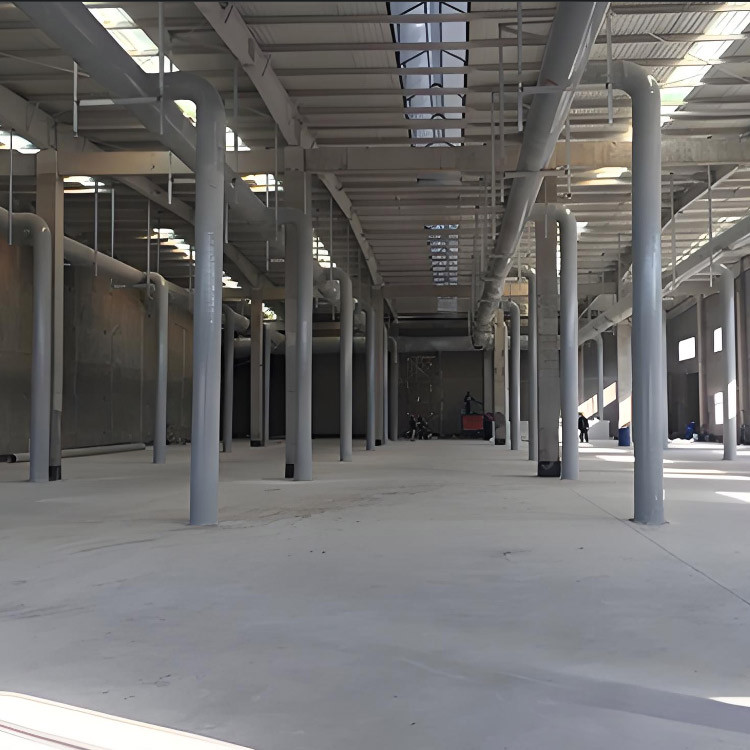



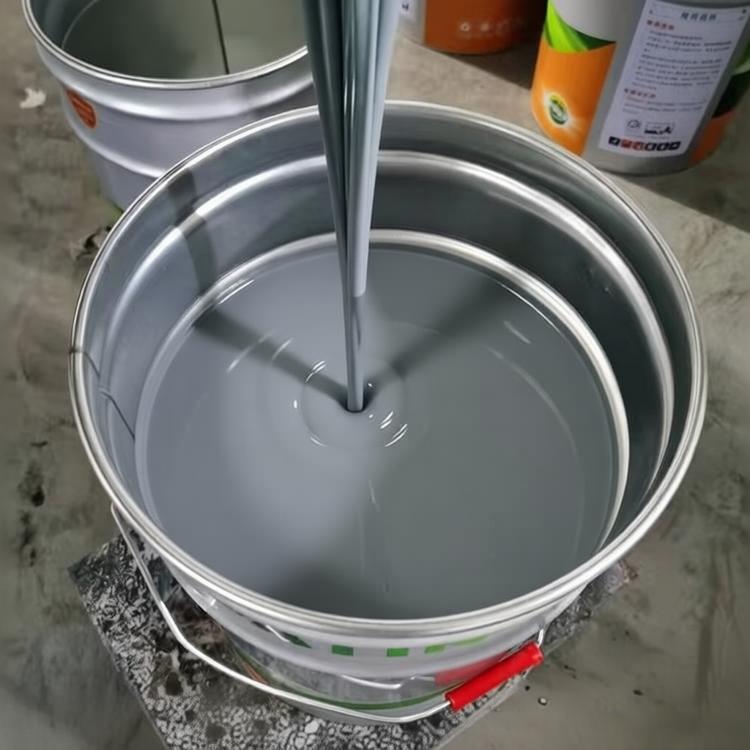






Product Introduction: Glass fiber reinforced plastic (FRP) spiral wound pipes are a lightweight, high-strength, corrosion-resistant, and acid-base-resistant non-metallic pipeline. They are made from unsaturated resins or vinyl resins, epoxy resins as the matrix, and glass fibers as the reinforcing material through special processes. These pipes offer corrosion resistance, leakage prevention, heat insulation, and other advantages, featuring lightweight strength, long service life, high design flexibility, low fluid resistance, easy installation, and low overall cost. They are widely used in the oil, chemical, power, papermaking, urban water supply and drainage, industrial wastewater treatment, seawater desalination, gas transmission, mining, and other industries, serving as ideal pipelines for conveying liquids and gases. In recent years, the production of FRP pipes in China has developed rapidly, with the quantity increasing year by year and the scope of application and departments expanding.
II. Pipe Characteristics: 1. Excellent mechanical and physical properties, lightweight, high strength, easy to install. 2. Good corrosion resistance: service life up to 4-5 times that of steel pipes. 3. Good high-temperature resistance: normal operating temperature up to 180°C, fully meeting high-temperature requirements. 4. High-pressure resistance: normal operating pressure for high-pressure glass steel pipelines is 3.5MPa-24MPa. 5. High smoothness of inner wall: good fluidity of medium, no scaling or waxing, reducing pipeline operation and maintenance costs. 6. Good insulation properties: no secondary pollution.
3. Pipe Specifications: 1. Pipe Diameter: DN100mm - 45000mm. 2. Production Length: 6 meters per piece, 12 meters per piece. 3. Pressure Class: 3.5 - 24 MPa. 4. Butt joint, flanged, O-ring type.
Four, Pipeline Advantages: 1. Corrosion Resistance: Select different corrosion-resistant pipelines according to the medium requirements in a complex, interlaced environment. 2. Pressure Resistance: Design and manufacture pipelines and fittings according to the process pressure requirements. Conduct pressure tests at 1.5 times the process pressure. 3. Heat Resistance: Withstanding low temperatures down to -70°C and high temperatures up to 250°C. 4. Good Insulation Properties: Improved to eliminate static electricity. 5. Flammability: Improved for self-extinguishing, flame-retardant, and non-combustible properties. 6. Transparency: Improved to be colorful. 7. Thermal Insulation: Improved to enhance heat conduction capabilities.