















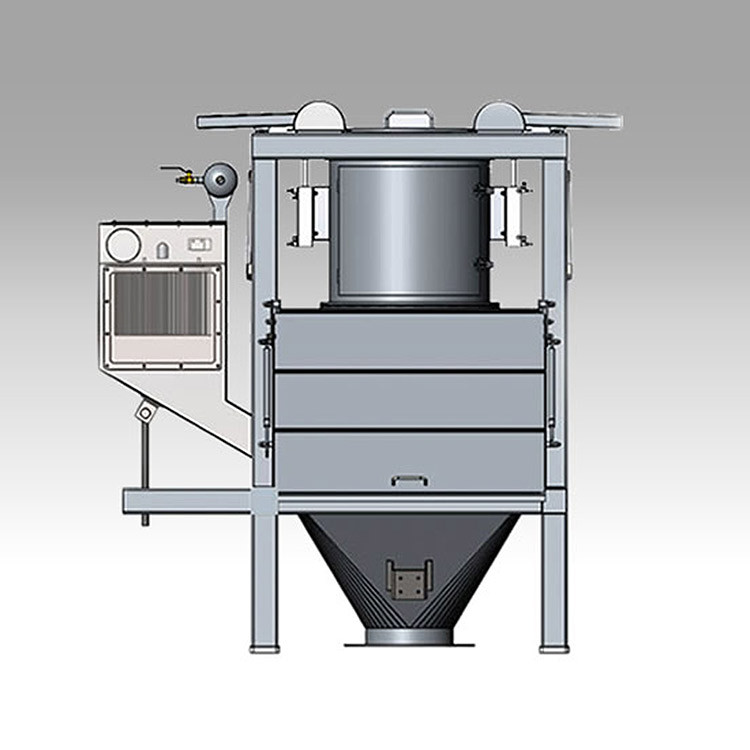
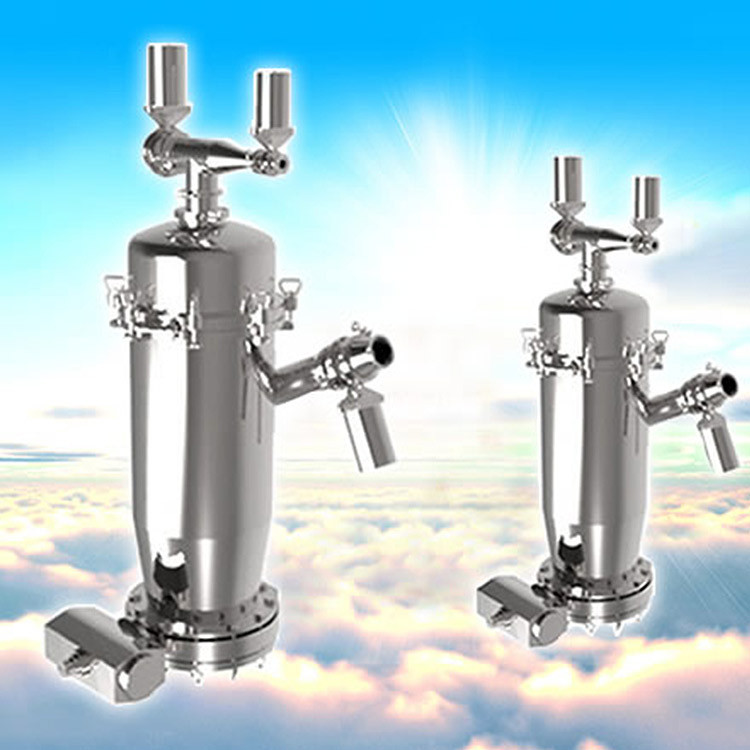
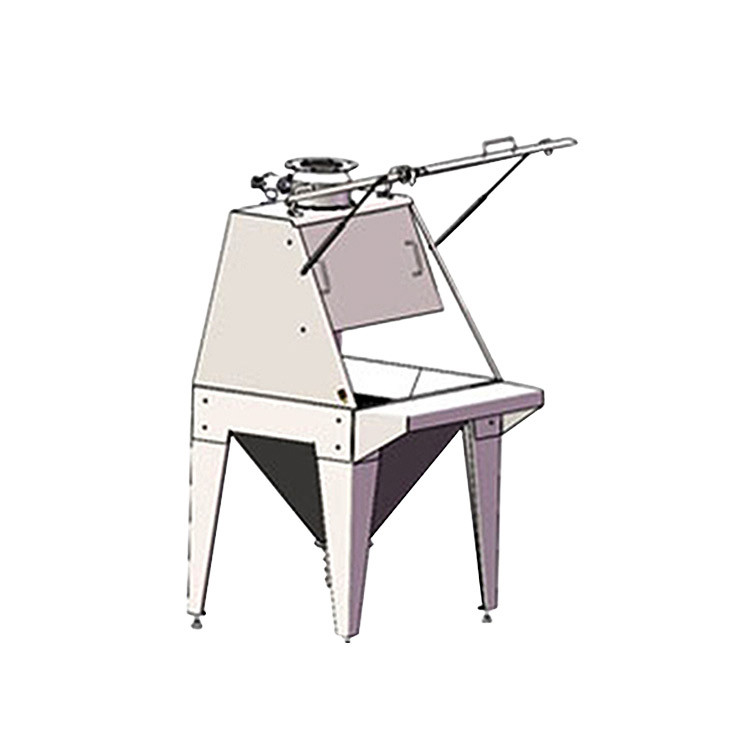
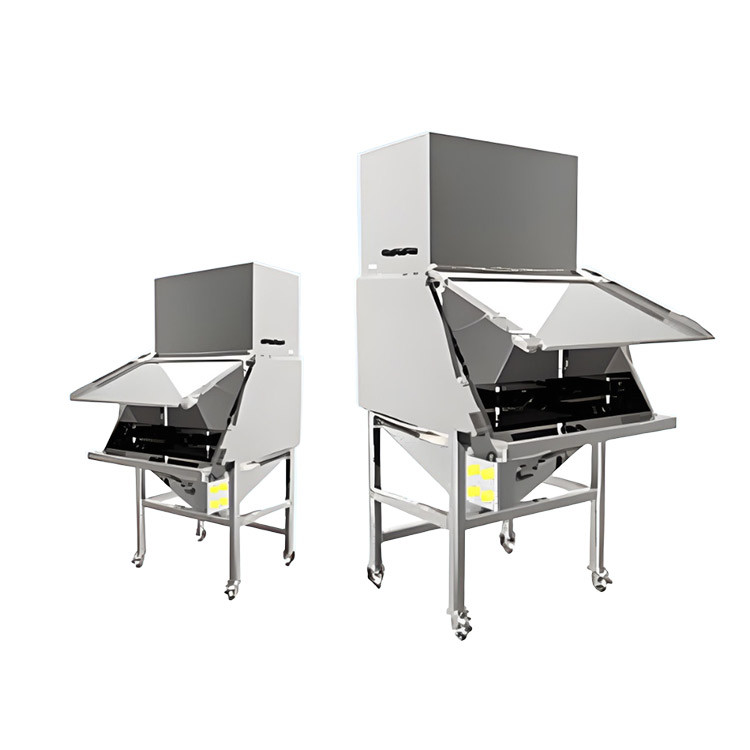
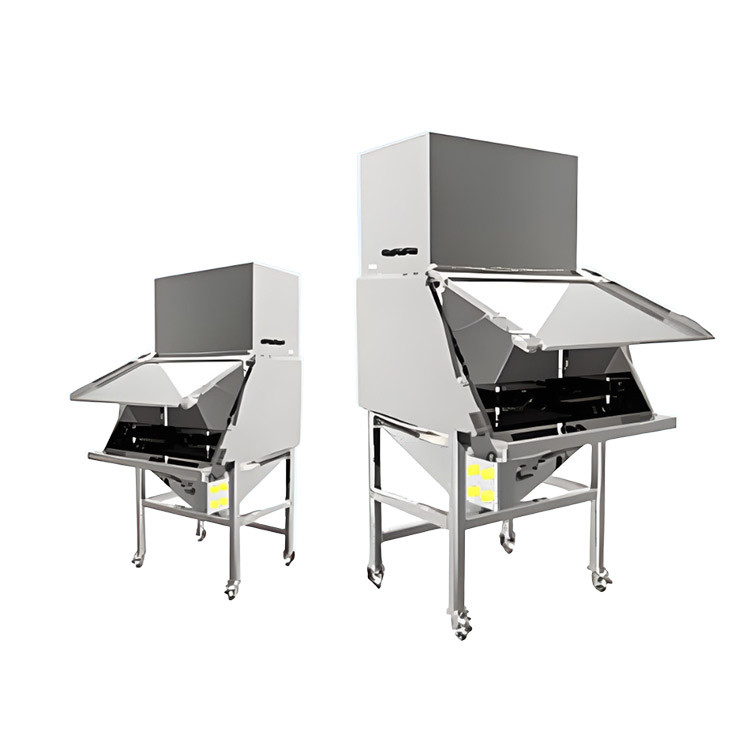
Chain conveyors can directly use the chain as the conveying medium or add higher load-bearing roller attachments between each link of the chain to carry goods. The chain rolls on the track with rollers, which, due to the rolling contact between the rollers on the chain and the track, results in low friction resistance and low power loss.
Features and Specifications
Ⅰ. High Transport Capacity - This machine boasts the advantages of compact size and high transport capacity, requiring only 1/5 of the space of a belt conveyor or 2/3 of the space of a screw conveyor to transport the same volume of material. The transport capacity ranges from 6 to 500 m³/h.
Ⅱ. Low energy consumption, utilizing the internal friction of the material, converts the work done by the moving parts into energy-efficient work effectively. Chain hook conveyance significantly reduces the resistance of the material, resulting in energy consumption as low as 30%~60% of that of a screw conveyor.
III. Low cost of use and long service life, the conveying chain made from alloy steel through heat treatment processing, has a normal lifespan greater than 5 years. The rollers on the conveying chain roll on the guide rail, with no friction between the conveying chain and the housing. The chain is made by heat treatment processing of alloy steel, with a normal lifespan of about 3 years and a low failure rate during operation. There are no lubrication points in the conveyor except for the head and tail bearings.
IV. Sealed, fully enclosed for the whole machine, ensuring dust has no way to penetrate; waterproof and rainproof, easy to operate, and reliable in performance.
V. Flexible Process Layout - Allows for various types of feed and discharge ports at the housing location, can be elevated, on the ground, or in a pit, and can be conveyed horizontally or on a slope (≤ 15°).
Application Scope
Chain conveyors can transport more than a thousand types of powdered, granular, and small piece materials, including typical ones such as: cement raw materials, synthetic fertilizers, soap powder, cement products, yellow sand, limestone powder, coal powder, crushed ice, stone powder, urea, coke powder, fly ash, wood shavings, soda powder, soda ash, graphite, plastic granules, polyethylene, resins, sulfuric acid, ammonium sulfide, clay powder, slag, salt, cotton seeds, quartz sand, iron ore powder, crushed feed, maltose, starch, wheat, corn, soybeans, etc.


















