














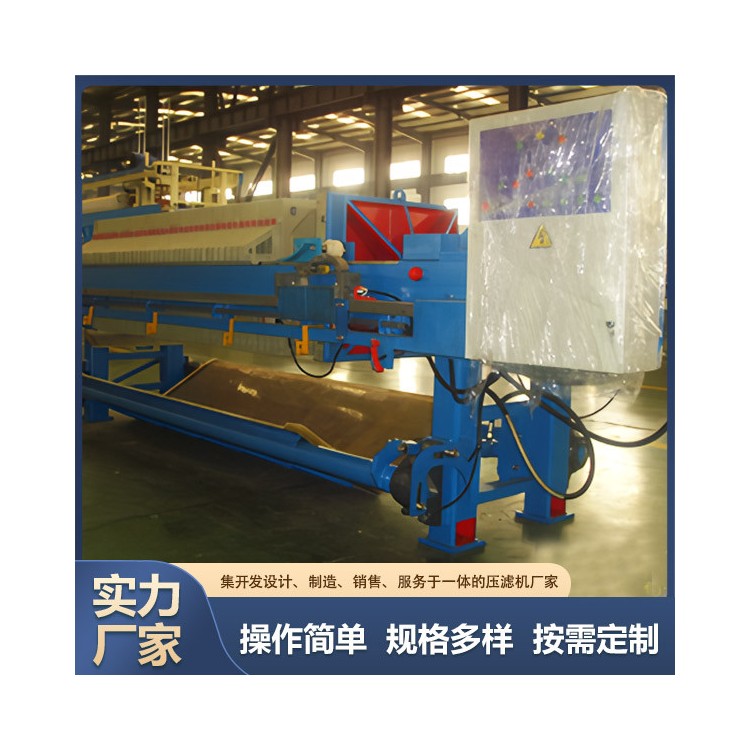
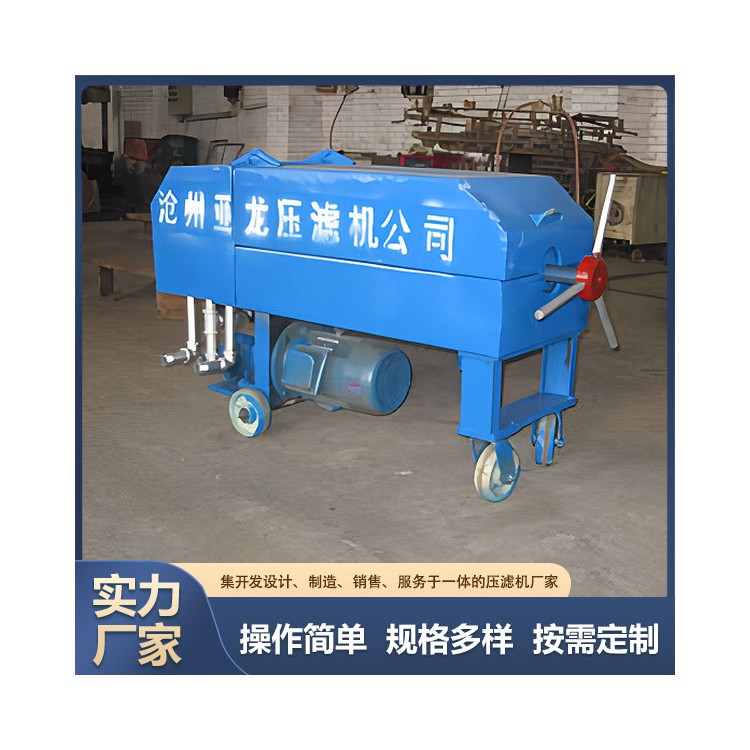
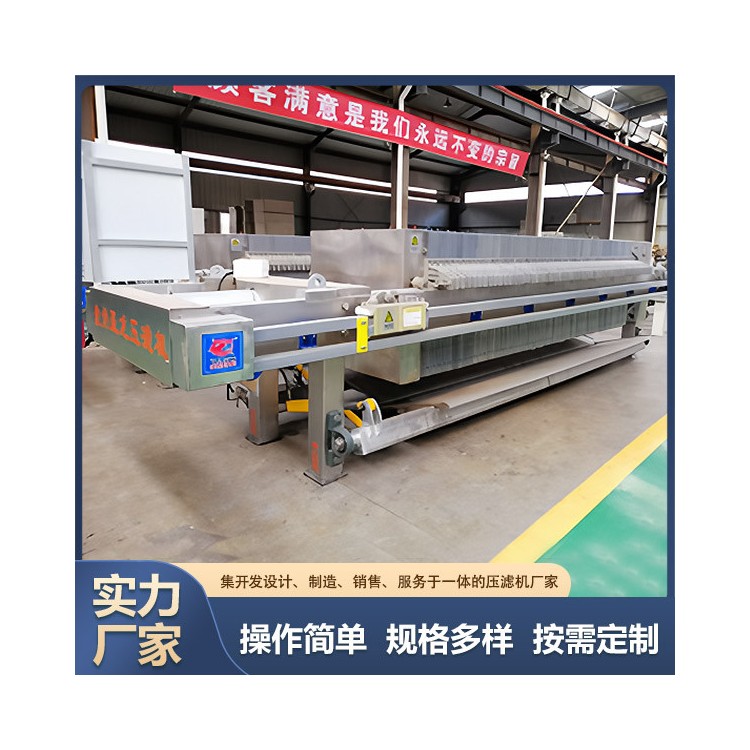
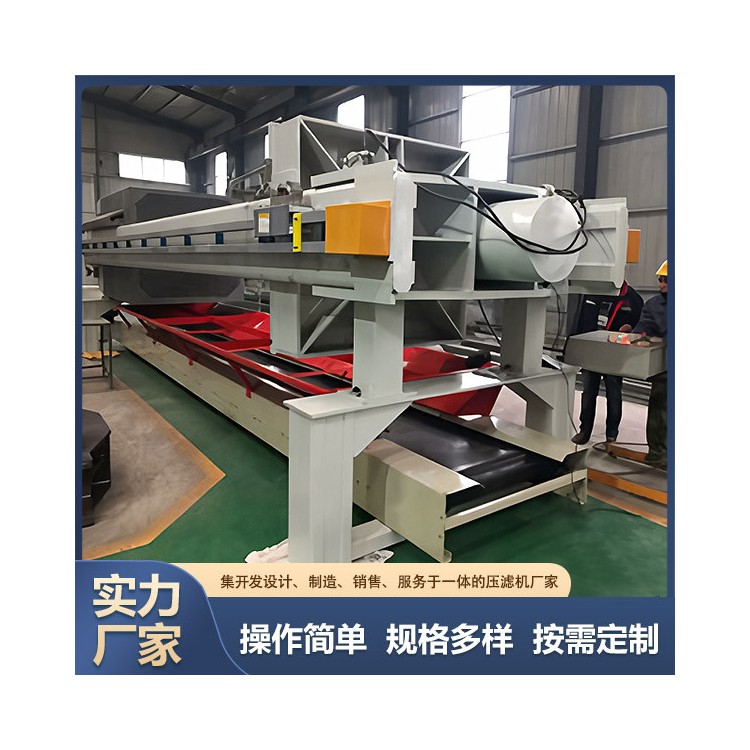
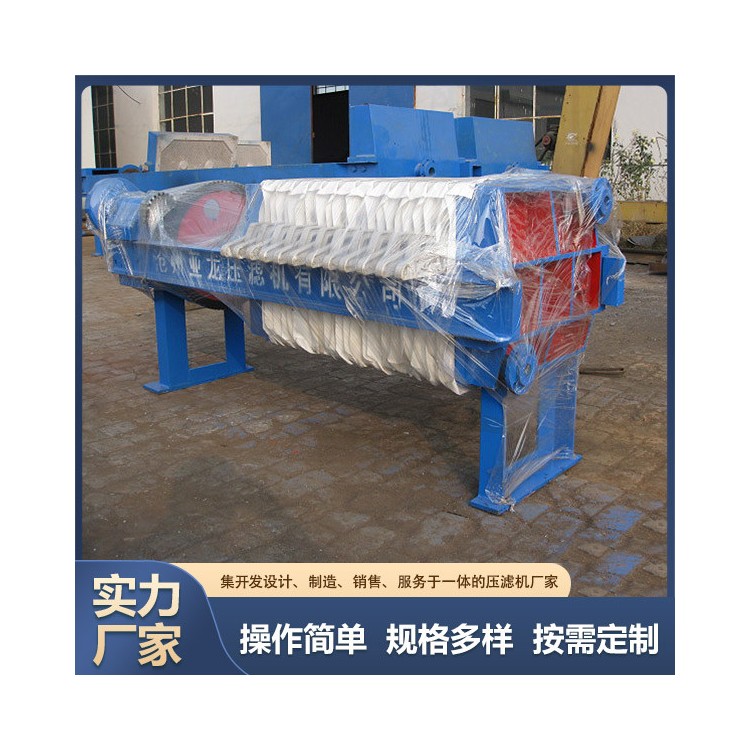
The Oil Filter is a filtration unit that removes solid impurities and moisture from impure oil using pressurized filtration or vacuum evaporation-pressure filtration methods. It is primarily used to enhance the insulation performance of electrical oils and the purity of lubricating oils. The Oil Filter is mainly used for the purification of turbine oils and lubricating oils in power plants, power stations, and industrial and mining enterprises. It is particularly suitable for the purification of turbine oils, hydraulic oils, anti-wear oils, bearing oils, and high-viscosity lubricants that contain significant amounts of water or are severely emulsified, capable of rapidly and effectively removing moisture and impurities from the oil, resulting in clarified oil.
During the operation of the oil filter, polluted oil is vacuum-sucked into the heater through the inlet under the action of the external atmospheric pressure. After heating, the oil enters the preliminary filter, where large particles of impurities are removed. Then, the oil enters the vacuum separator and flows through a special diffuser device. This diffuser device increases the surface area of the oil per unit volume, exposing the polluted oil to an atmosphere with very low relative humidity, thereby removing water, air, and gases from the oil. The evaporated water vapor and gases form a mixture that condenses into liquid through the water tank and cooler, and then enters the storage tank, while the remaining gas is vacuum-pumped out. The oil, free of moisture, is then pumped into the fine filter by the oil pump to remove minute impurities, becoming purified oil and completing the purification process. Depending on the amount of water content, multiple cycles are required to remove the moisture.
WeChat Official Account

Scan to follow Official Account


















